People who cook professionally or for their families are often asked the same question: what is your favorite ingredient?
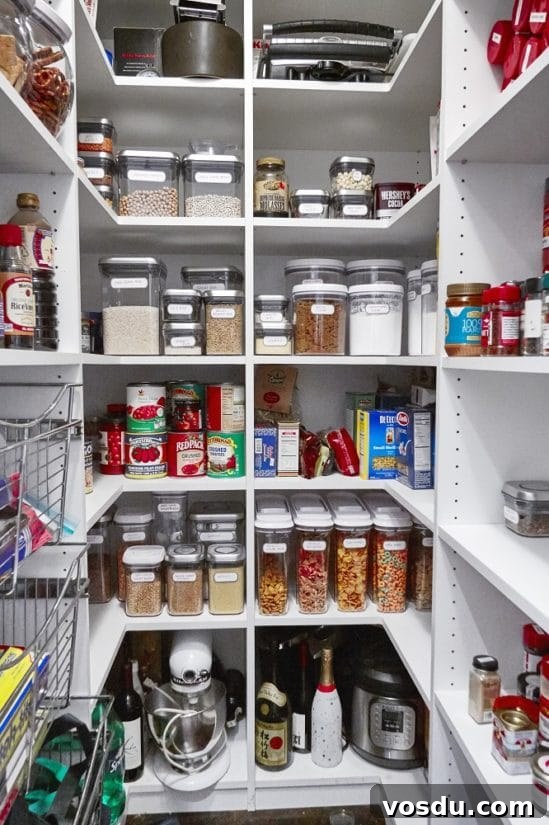
I usually answer with two: olive oil and salt. But beyond those essentials, a few well-chosen pantry staples make cooking easier, weeknight meals better, and simple food taste exceptional. Below are ten everyday ingredients I reach for often, with brief notes on how to use them.
1. Olive Oil, Pure and/or Extra Virgin Olive Oil
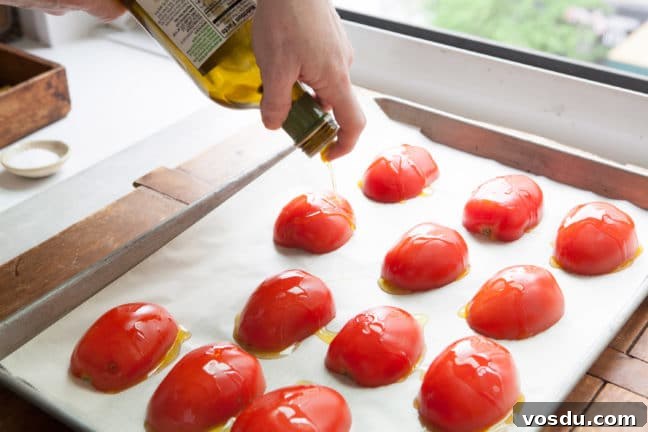
Ideally you’ll keep both pure (or light) olive oil and extra-virgin olive oil on hand. Use pure olive oil for most cooking because it tolerates heat well and is more economical. Reserve extra-virgin for finishing dishes, salad dressings, or drizzling over vegetables and tomatoes to showcase its flavor. Different brands offer varied flavor profiles—some are fruity, others more peppery—so experiment until you find ones you enjoy. If you must choose only one bottle, good-value extra-virgin olive oil from the supermarket can work for both cooking and finishing in many kitchens.
2. Kosher Salt
Salt brightens flavors in nearly every recipe, sweet or savory. Kosher salt is popular because its larger crystals and lack of additives give a clean, balanced seasoning without the metallic or sharp edge some table salts can have. Sea salt is another good option if you prefer a coarser texture, but avoid salts that are so large you’ll bite into crunchy crystals. Specialty finishing salts—Fleur de Sel, Maldon, or Hawaiian varieties—are delightful for sprinkling at the end of a dish, but use them sparingly since their subtlety and price make them better suited as a final accent.
3. Dijon Mustard
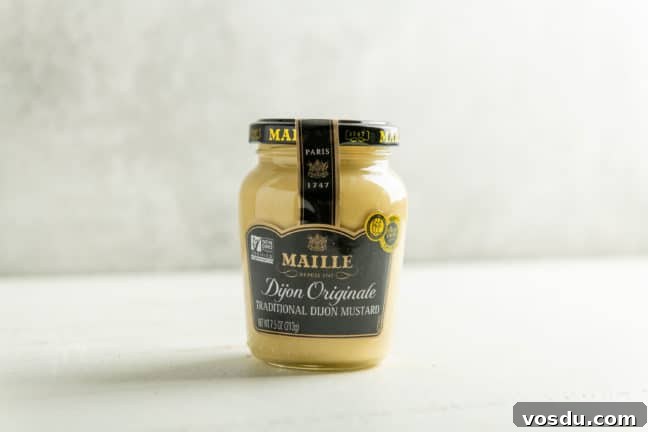
Dijon mustard is an underrated multi-tasker. A spoonful livens up vinaigrettes, sauces, dips, sandwiches, and even mac and cheese. It adds acidity and depth the way salt or soy sauce can. Keep both smooth and coarse-grain Dijon if you like variety—each texture brings something different to a dish. Dijon’s tang comes from mustard seeds combined with wine or vinegar, and that characteristic bite makes it useful wherever you want bright, savory lift.
4. Soy Sauce
Soy sauce is essential for Asian cooking but also works wonders in non-Asian recipes, adding savory umami and balanced saltiness. Use it in marinades, stir-fries, dressings, and braises. If you’re watching sodium, low-sodium soy sauce preserves flavor while cutting salt; regular soy sauce can be diluted with water (about two parts soy sauce to one part water) to reduce salt without losing its character.

5. Chipotle Peppers in Adobo Sauce
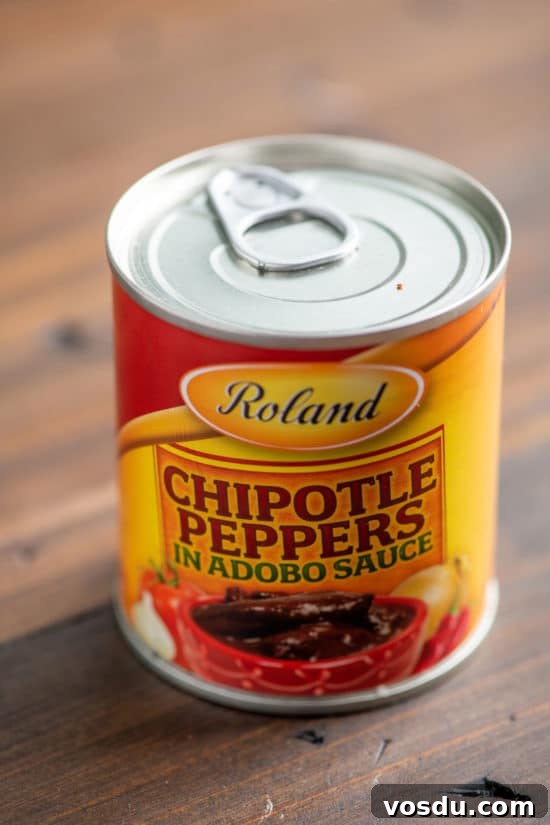
Chipotles in adobo are smoked jalapeños stewed with tomatoes, garlic, vinegar, and spices. A spoonful of the puréed sauce adds smoky warmth and depth to soups, stews, chilis, bean dishes, potato salads, barbecue sauces, and dips. Because the paste is concentrated, use it sparingly to control heat: a small amount brings smoky flavor without overwhelming spice, while larger amounts increase both flavor and heat. Transfer leftover purée to a container and refrigerate so you can scoop teaspoons as needed; it stores well and becomes a go-to flavor booster.
6. Canned Tomatoes
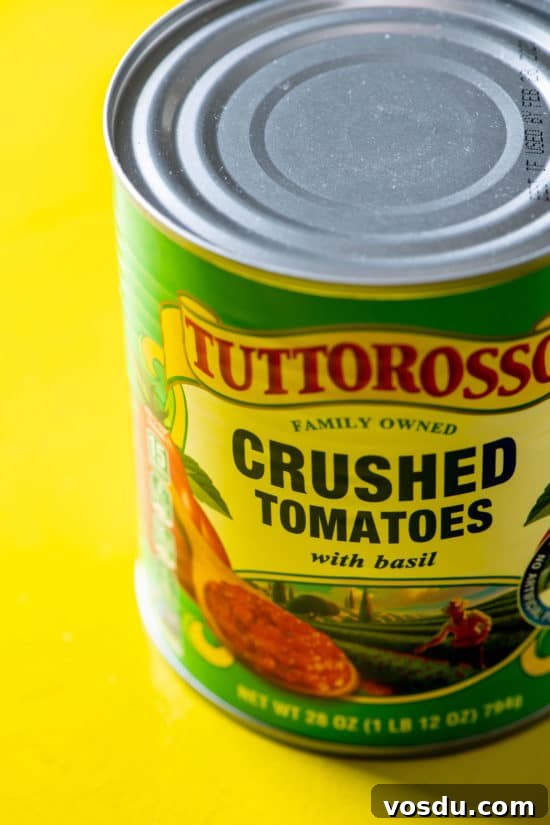
Canned tomatoes come in many forms—whole, crushed, diced, pureed, and in thicker puree or thinner juice. They’re a foundation for sauces, soups, stews, chilies, and braises. Whole tomatoes can be crushed by hand for texture, while crushed or pureed versions save time when you want a smooth sauce. San Marzano-style tomatoes are prized for their flavor and are worth splurging on for special dishes, though good regional varieties can be excellent too. Keep several types on hand so you can pick the right texture and intensity for the recipe.
7. Dried Pasta
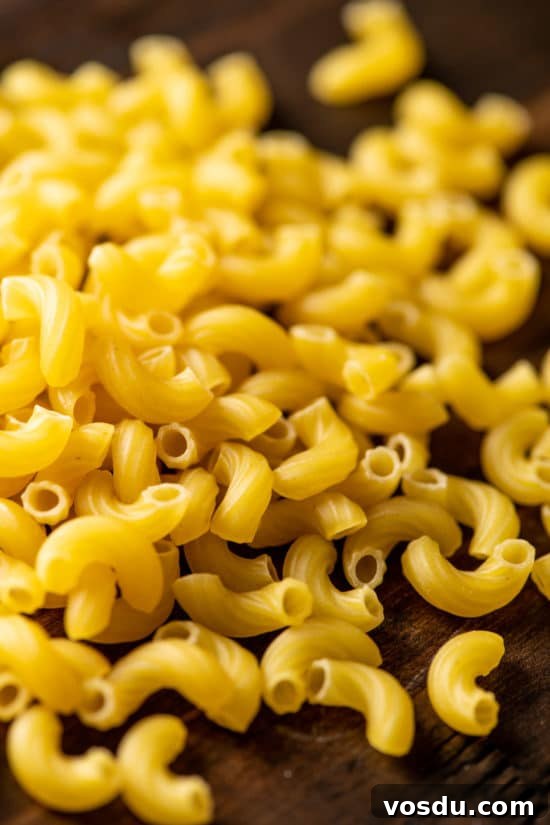
Dried pasta is a reliable pantry lifesaver. With a box of pasta you can turn leftover proteins and vegetables into a satisfying dinner, bake casseroles, or make quick skillet meals. Different shapes suit different sauces—small shapes for soups, long thin noodles for light sauces, and chunky shapes for hearty, meaty sauces. Stock up on your favorite brands when they go on sale; pasta stores for years. Also explore whole-grain and international noodles—soba, rice noodles, and wheat-based Asian varieties each bring distinct textures and uses.
8. Canned Beans
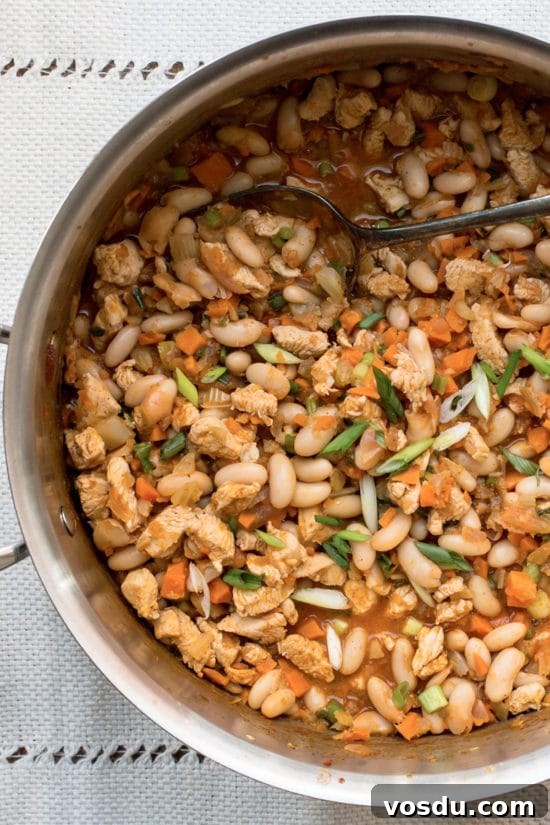
Canned beans are an economical, long-lasting source of protein and fiber. They’re ready to use in salads, soups, stews, chilis, dips, and casseroles. Dried beans are even cheaper but require planning to soak and cook. Keep a variety of canned beans—garbanzo (chickpeas) for salads and hummus, black beans for Mexican dishes, kidney beans for chilis, cannellini for Italian soups and sides, navy beans for baked bean dishes, and pinto beans for refried beans and stews. Having a few kinds on hand makes it easy to adapt recipes across cuisines.
9. Canned Broth (or Bouillon Cubes or Stock Paste)
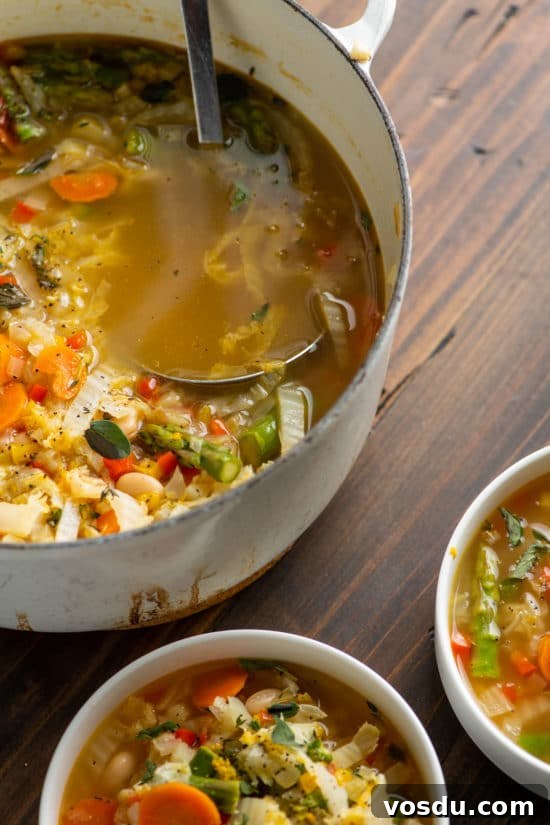
Broth is one of the simplest ways to add depth to savory dishes. Use it to make soups and stews, poach proteins, cook grains, or substitute for water in recipes to enhance flavor. Canned or boxed broths keep well, and bouillon cubes or concentrated stock pastes are space-saving options that dilute into flavorful liquid. Keep chicken, beef, and vegetable broths on hand and choose low-sodium versions when possible so you can control seasoning.
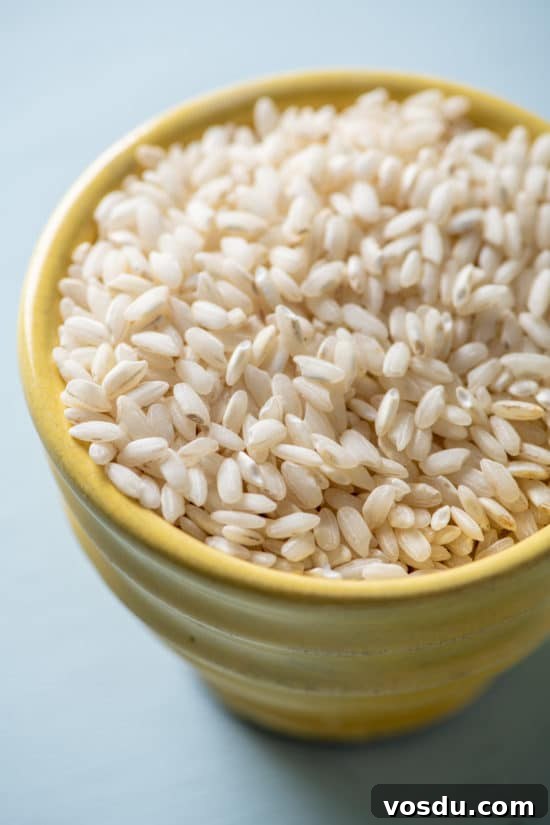
10. Rice
Rice—long grain, short grain, Jasmine, Arborio, brown, or white—is versatile and filling. It serves as a base for countless meals: stir-fries, stews, beans, curries, and grain bowls. Brown rice takes longer to cook but offers more fiber and nutrients; Arborio rice is ideal for risotto, while Jasmine works well with many Asian dishes. Having a few kinds of rice on hand means you can quickly transform leftovers or pantry ingredients into satisfying meals.
With these ten staples—olive oil, salt, Dijon mustard, soy sauce, chipotles in adobo, canned tomatoes, dried pasta, canned beans, broth, and rice—you’ll be prepared to make flavorful, comforting meals with minimal fuss. Stocking a thoughtful pantry makes improvising easier and everyday cooking more enjoyable.