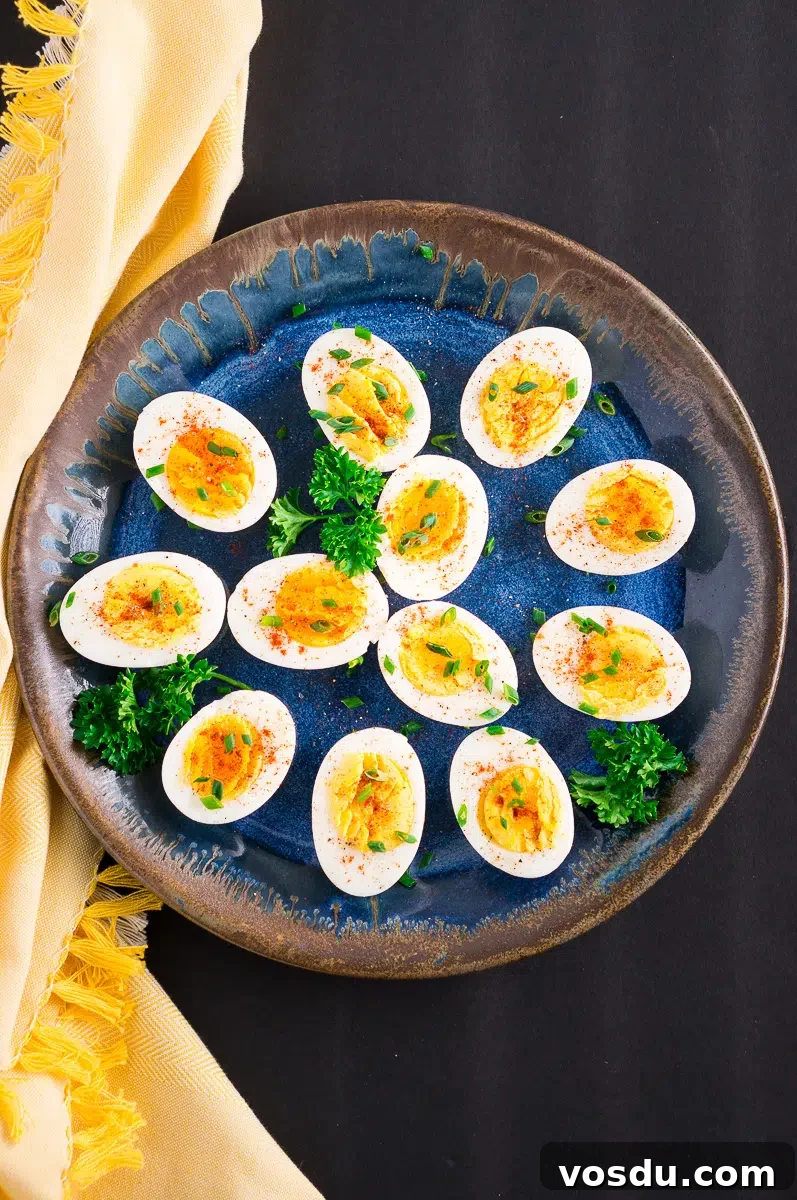
Making perfect hard boiled eggs is easier than you think. Whether you prefer soft, jammy, or fully hard-boiled eggs, this clear guide explains exact boiling times and how to get eggs that peel easily every time.
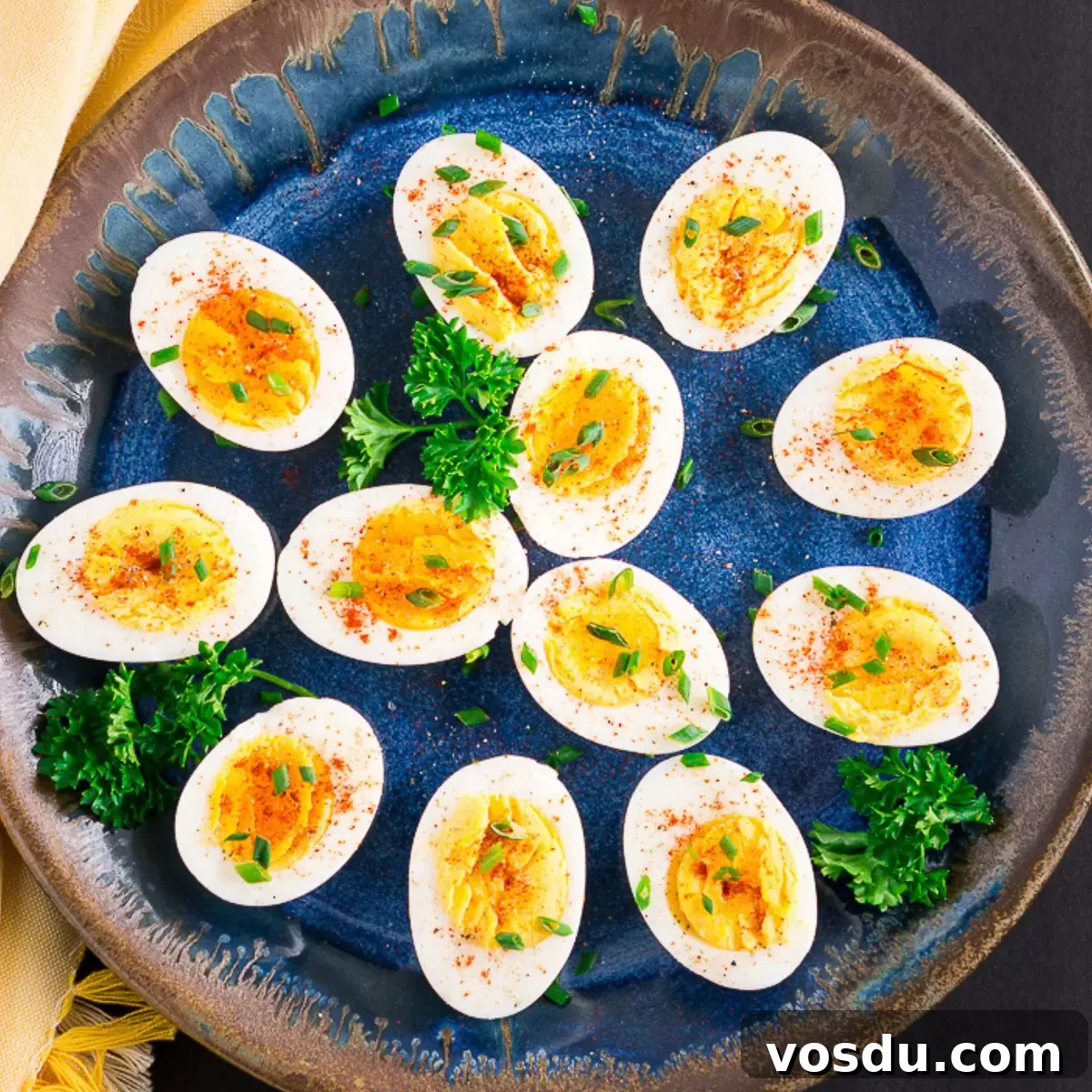
Perfect Hard Boiled Eggs
Making hard boiled eggs looks simple, but there are a few tricks to getting consistent, easy-to-peel results. I used to struggle with shells tearing the whites, especially the first time I made them for deviled eggs. After testing methods and timings, I developed a reliable approach that produces consistently tender yolks and shells that come off cleanly.
These tips and times are based on medium to large eggs and the cold-start method. They’re designed to help you avoid common problems like a green ring around the yolk or shells that cling to the egg white.
For best results, follow the expert tips, the boiling time guide below, and the FAQ section—everything you need for perfect eggs and easy peeling.
If you prefer a hands-off approach, you can also cook eggs in an Instant Pot using a similar timing strategy.
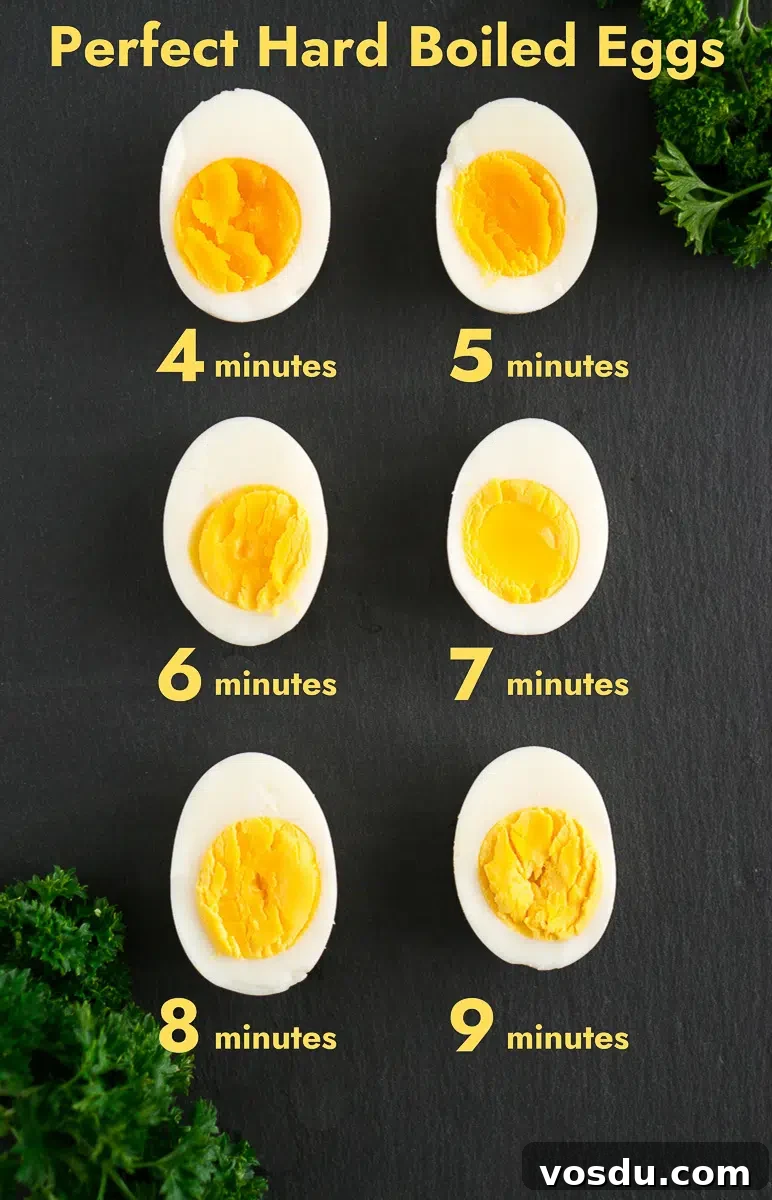
Hard Boiled Eggs Time Chart
These times assume medium to large eggs and a cold-start method. Start the timer when the water comes to a full boil.
Boiling times at a glance:
- Soft-boiled eggs: 3 minutes
- Jammy eggs: 4 minutes
- Medium boiled eggs: 5 minutes
- Custardy eggs: 6 minutes
- Creamy hard-boiled eggs: 7 minutes
- Firm yet still tender hard-boiled eggs: 8 minutes
- Very firm hard boiled eggs: 9 minutes
The ideal yolk is creamy and evenly colored with no green ring, which is a sign of overcooking. If you want a softer yolk, choose a shorter time from the chart above.
You can tailor the exact time depending on egg size and personal preference. Below is a simple visual calculator block (interactive scripts removed) with recommended ranges: medium (3–8 minutes), large (4–9 minutes), extra large (4.5–9 minutes), and jumbo (4.5–9 minutes).
Ingredients
For basic hard boiled eggs you only need eggs, water, and ice for cooling.
- Eggs: Any size will work; slightly older eggs (a few days old) usually peel easier than very fresh eggs.
- Cold water: For the pot and for cooling.
- Ice: To make an ice water bath and stop cooking immediately.
Equipment Needed: saucepan, timer, slotted spoon, bowl for the ice bath.
How To Make Hard Boiled Eggs
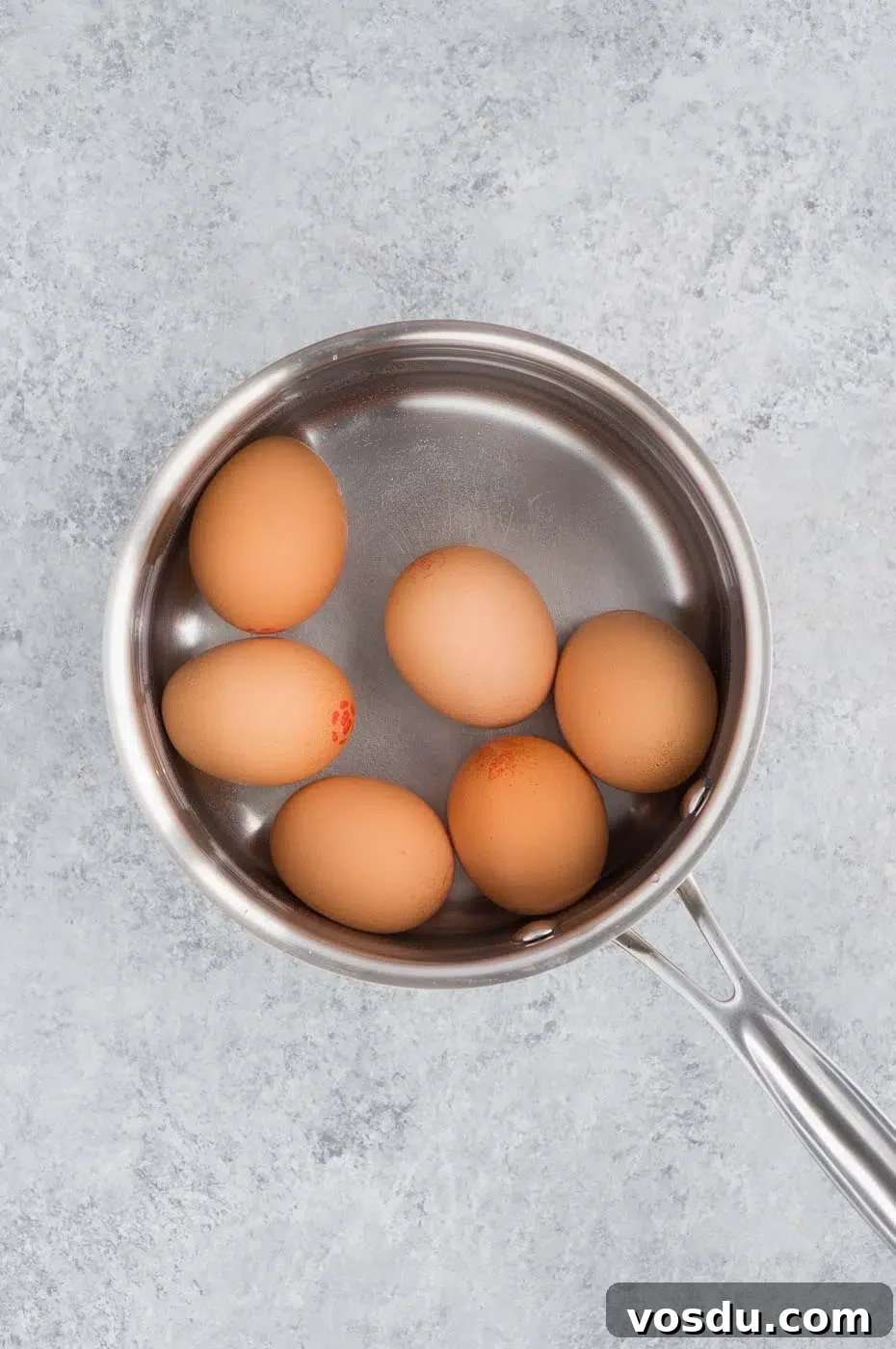
Step 1. Add eggs to a pot with water. Place eggs in a single layer in a saucepan and cover with cold water by about an inch.
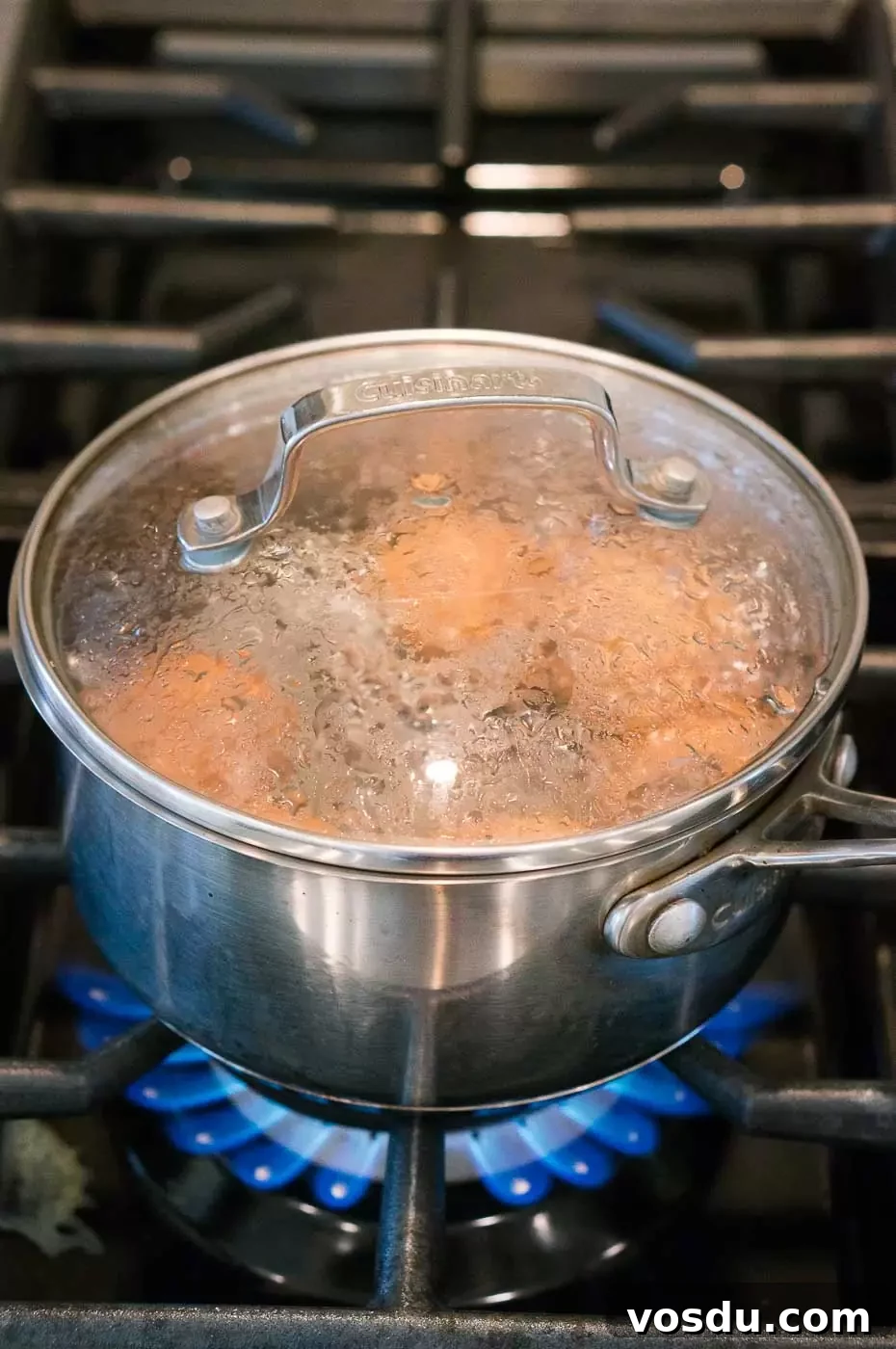
Step 2. Bring to a boil and time. Cover the pan and bring to a rolling boil over high heat. When the water boils, reduce heat to medium so it maintains a gentle boil and start your timer. For classic hard boiled eggs, boil for about 7–8 minutes.
Quick Tip
Start timing when the water reaches a full boil, not when you first put the eggs in the pot.
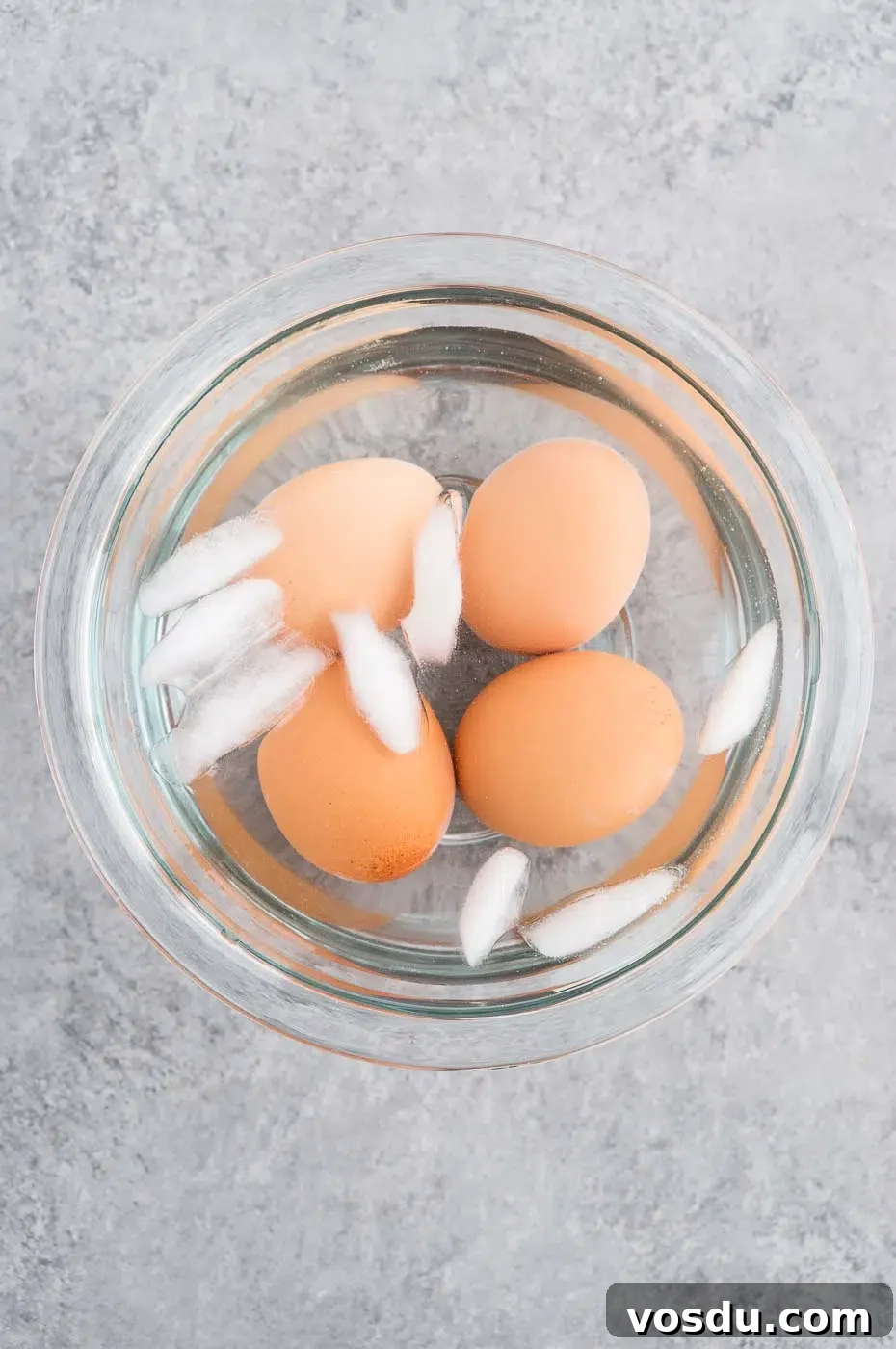
Step 3. Cool in an ice water bath. Use a slotted spoon to transfer eggs to a bowl of ice water to stop cooking. Let them cool for several minutes; this halts carryover cooking and helps the membrane separate from the shell.

Step 4. Peel the eggs. Once cool, gently tap each egg on a hard surface, roll to crack the shell, and peel. Peeling under running water or in a bowl of water helps loosen stubborn pieces.
TIPS FROM NELI’S KITCHEN
Expert Tips For Perfect Hard Boiled Eggs
- Start eggs in cold water: place eggs in the pot, add cold water, then heat. This reduces shock and cracking.
- Use an ice bath immediately: transfer eggs to ice water as soon as they’re done to stop cooking and make peeling easier.
- Roll to loosen shells: after cooling, gently roll each egg on the counter to create a network of cracks that makes peeling easier.
- Peel under water if needed: if shells cling, crack the shell all over and peel under running water or soak briefly to let water get under the membrane.
- Older eggs peel easier: eggs that are a few days old usually separate from their shells more readily than very fresh eggs.
- For special occasions like deviled eggs or Easter eggs, buy eggs in advance so they have time to age slightly for easier peeling.
How To Peel the Eggs
If you’ve ever had half the white come away with the shell, try these tried-and-true methods after cooling eggs in ice water:
- Gently crack and roll the egg, then peel—the shell usually slips off in larger pieces.
- Crack the shell all around and peel under running water or in a bowl of water to help separate the shell from the membrane.
- Put eggs in a container with an inch of water, cover, and shake for 10–15 seconds—this can help shells come off cleanly.
These simple methods will make peeling much quicker and neater.
What Readers Are Saying
“Ok I’m sold! Tried this twice and my eggs peel so easily. Thank you!”
– Debbie
“Your technique is the winner!”
– Michelle
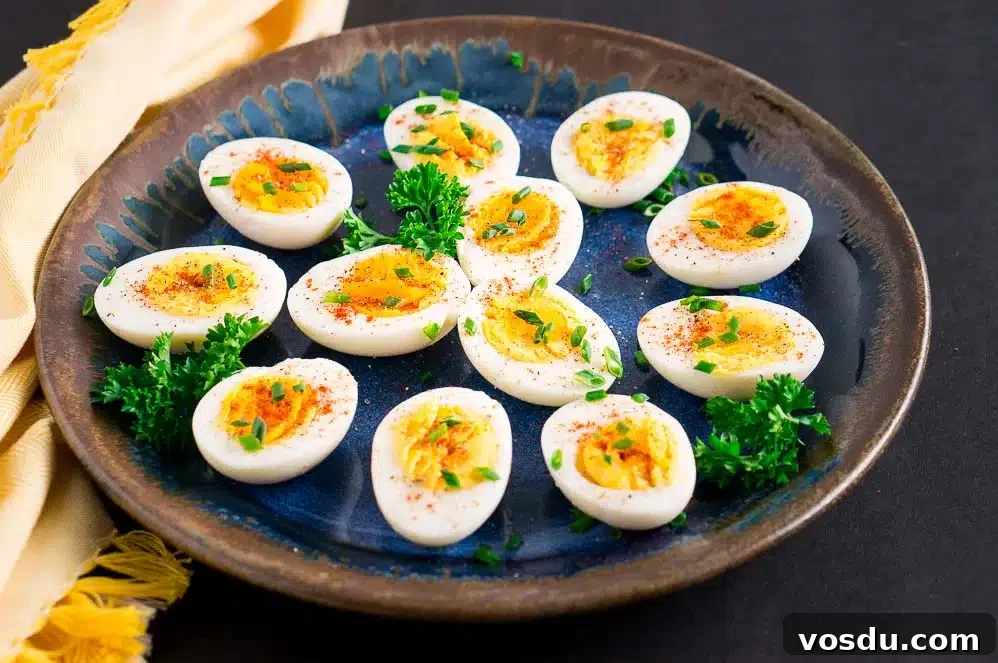
If you try this hard boiled egg method, please leave a star rating and a comment to share how it worked for you.
☝ Tap stars to rate
How To Make Perfect Hard Boiled Eggs
Equipment
- Pot
- Timer
- Slotted spoon
- Bowl
Ingredients
- 6 large eggs
- Cold water
- Ice
Instructions
-
Place the eggs in a single layer in a large saucepan and cover with cool water, about 1 inch above the eggs.
-
Cover the pot and bring the water to a boil over high heat. Once boiling, reduce heat to medium and set a timer for 7–8 minutes for perfectly hard-boiled eggs. Important: start the timer when the water begins to boil.
-
When the timer finishes, transfer eggs with a slotted spoon to a bowl of ice water to stop the cooking. Let cool for a few minutes.
-
Gently tap and roll each egg to crack the shell, then peel. Peel under running water if needed.
Notes
Tips for easy to peel hard boiled eggs
- Roll them on the counter. After cooling, rolling helps the shell loosen and come off in pieces.
- Peel under water. Cracking all around and peeling under running water or soaking briefly will allow water to get under the shell and membrane.
How to prevent eggs from cracking
- Start eggs in cold water rather than dropping cold eggs into hot water.
- Bring water up to a gentle boil rather than a violent boil to reduce stress on the shells.
- If an egg cracks while cooking, adding a little vinegar to the water can help the white set quickly.
Nutrition
Calories: 62 kcal | Protein: 5 g | Fat: 4 g | Cholesterol: 163 mg
Nutrition Disclaimer: Nutritional values are estimates and may vary with ingredients and portion sizes.
Recipe Help & FAQs
Place the egg in a bowl of water. Fresh eggs sink and lie flat; older eggs stand on end or float.
Start your timer when the water reaches a boil. For hard boiled eggs aim for about 7–8 minutes depending on size and preference.
Place eggs in cold water and heat gradually. Avoid overcrowding and a vigorous boil, which can cause eggs to bump and crack.
Use eggs that are a few days old if possible. After boiling, cool in an ice bath, then crack and peel under running water or soak briefly to help separate the shell from the egg.
Store in an airtight container in the refrigerator for up to one week. Peeled eggs can be stored but may dry out faster; unpeeled is best for longer freshness.
A green ring forms when eggs are overcooked or cooked at too high a temperature. Using the correct timing and an ice bath prevents it.
Why You Will Love This Recipe
- Easy to peel: The method helps the shell separate cleanly from the white.
- Simple and nutritious: Hard-boiled eggs are a quick, satisfying source of protein.
- Great for meal prep: Make a batch ahead for grab-and-go breakfasts or snacks.
- Quick: Precise timing makes this a fast recipe for busy mornings.
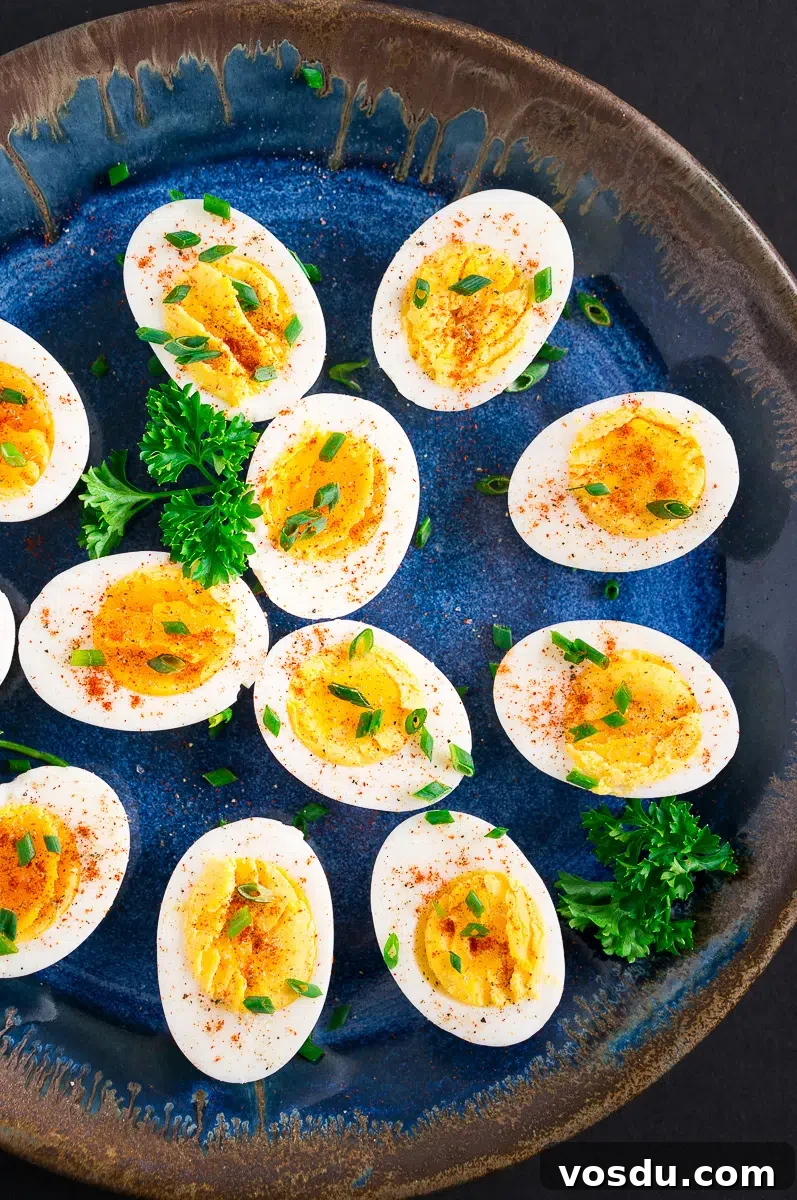
How To Use Boiled Eggs
Hard-boiled eggs are versatile: keep a batch in the fridge for quick breakfasts, pair them with fruit or toast, or use them in recipes. Popular ideas include:
- Sandwiches — egg salad or sliced eggs for a protein boost.
- Salads — add sliced eggs to green salads, Cobb, or potato salads.
- Appetizers — make deviled eggs or serve halved eggs as a simple starter.
- Breakfast — slice on avocado toast, bagels, or serve with bacon.
Alternative Ways to Cook Eggs
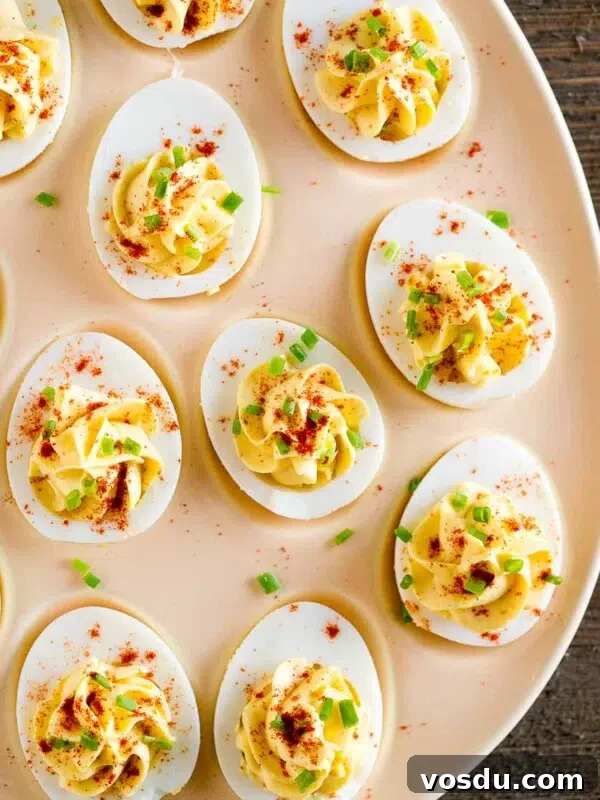
Appetizers + Snacks
Classic Deviled Eggs Recipe

Breakfast Recipes
Breakfast Egg Muffins
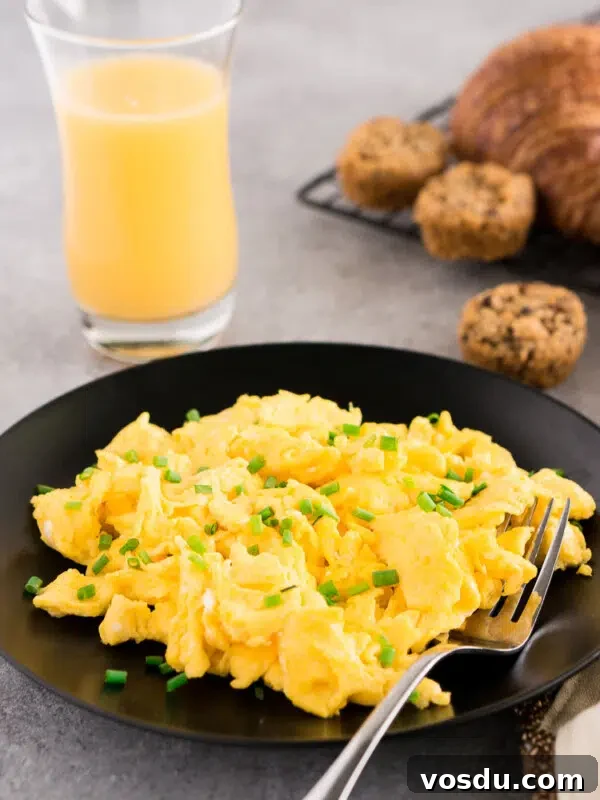
Breakfast Recipes
How to Make Scrambled Eggs (Fluffy & Moist)
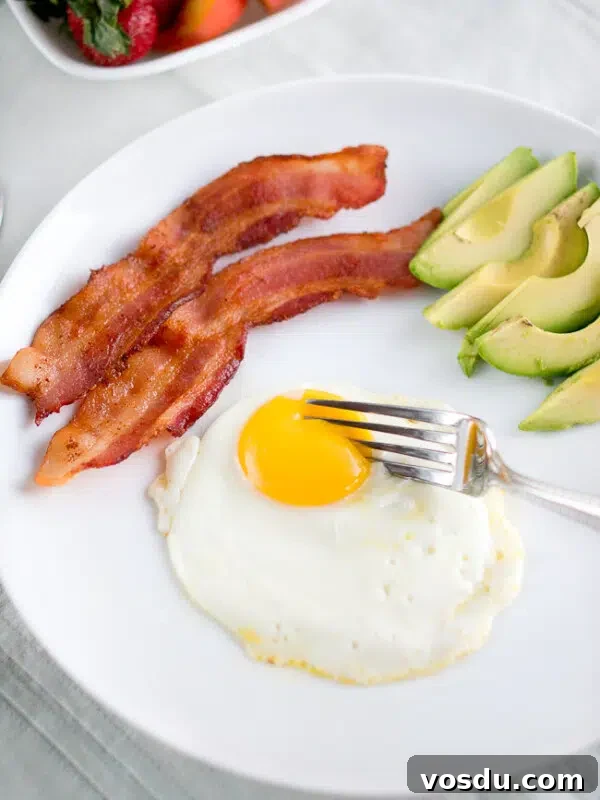
Breakfast Recipes