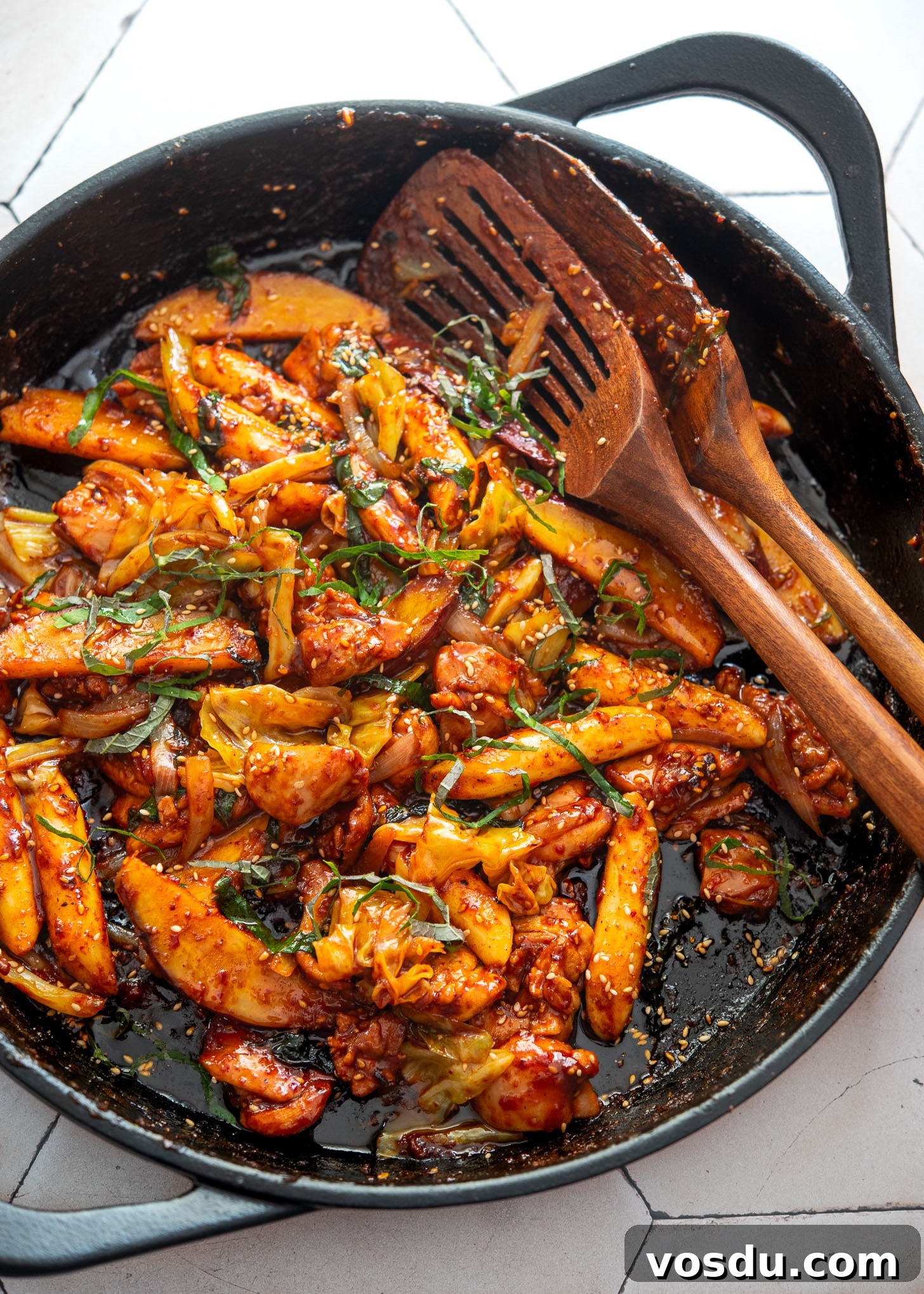
Quick Chuncheon-style dakgalbi prepared in one pan: a spicy Korean chicken stir-fry with tender thighs, chewy rice cakes, and vegetables coated in a glossy gochujang sauce. It’s an easy, cozy weeknight dinner that comes together in about 25 minutes.
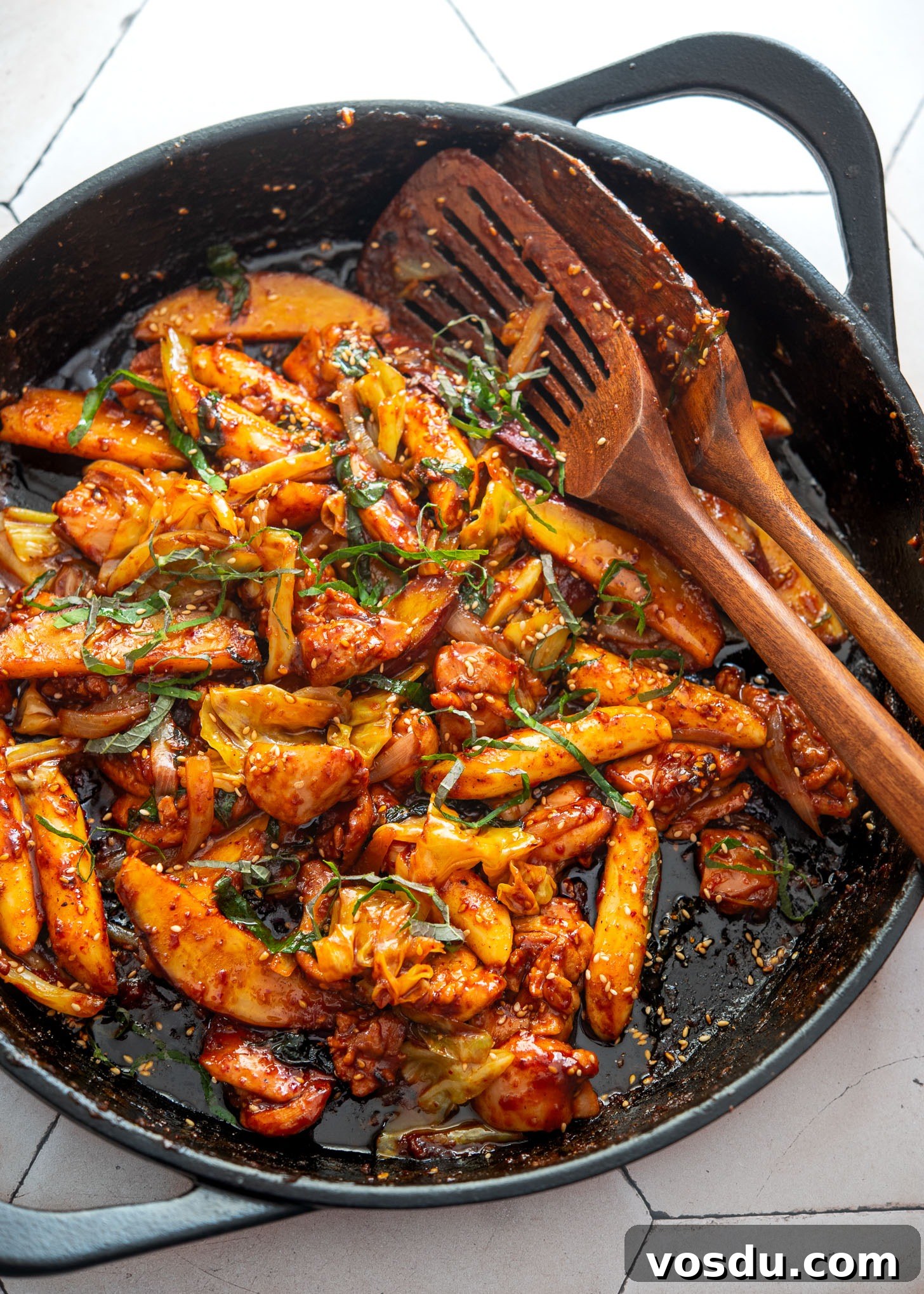
The first time I tried dakgalbi (닭갈비) was in Chuncheon (춘천), the city where this fiery chicken stir-fry originated. The sauce — spicy, savory, slightly sweet, with a faint curry aroma — hooked me on the first bite. This recipe recreates that spirit at home without a grill or long marinating time.
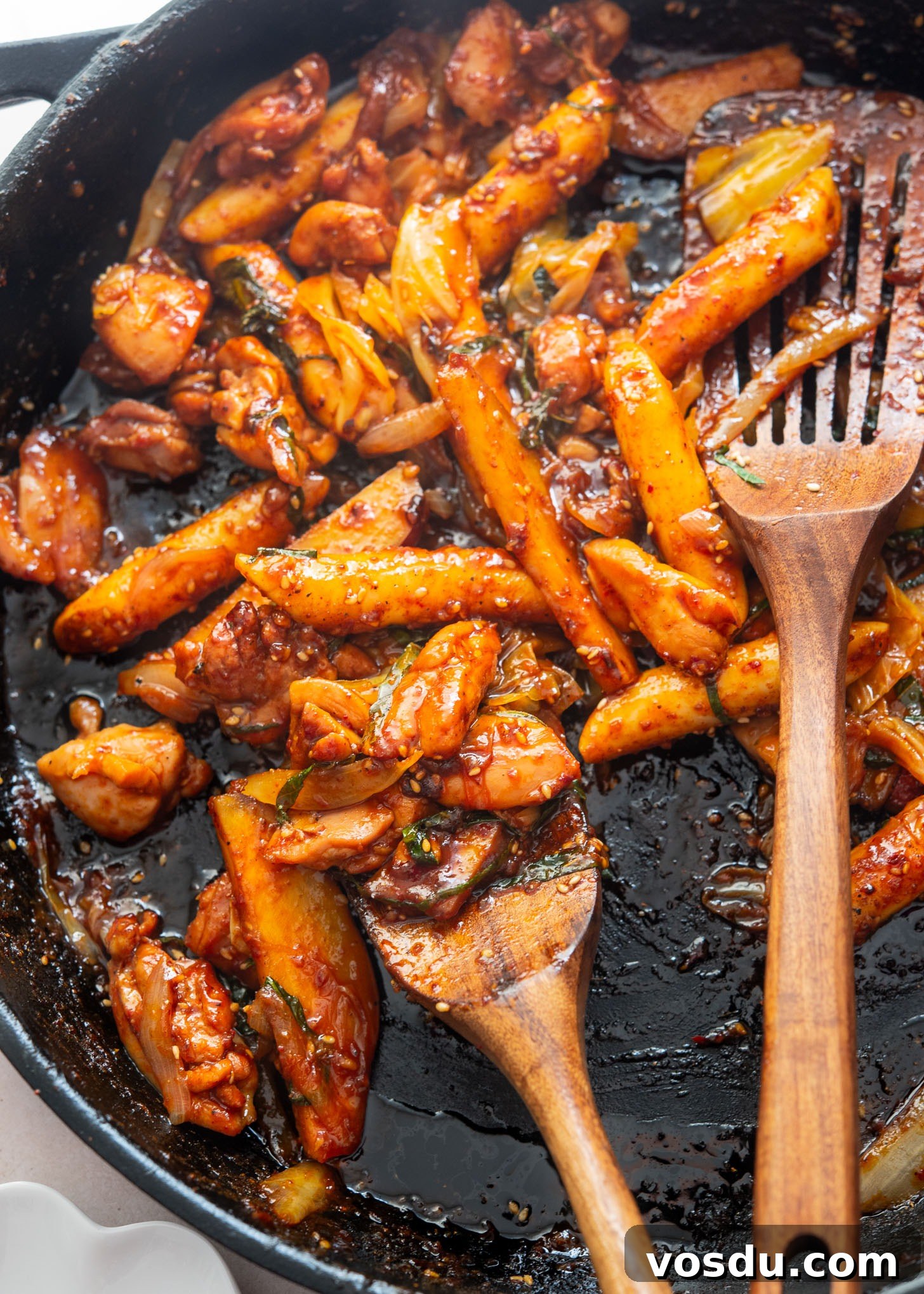
My home version is cooked in a single skillet and highlights juicy boneless, skinless chicken thighs, chewy tteok (rice cakes), cabbage, and sweet potato wedges. The sauce is a mix of gochujang, gochugaru, soy, mirin, a touch of sugar, curry powder, and sesame oil, yielding deep, savory flavor and the caramelized, smoky edges you want from dakgalbi.
Ingredient Notes & Substitutions
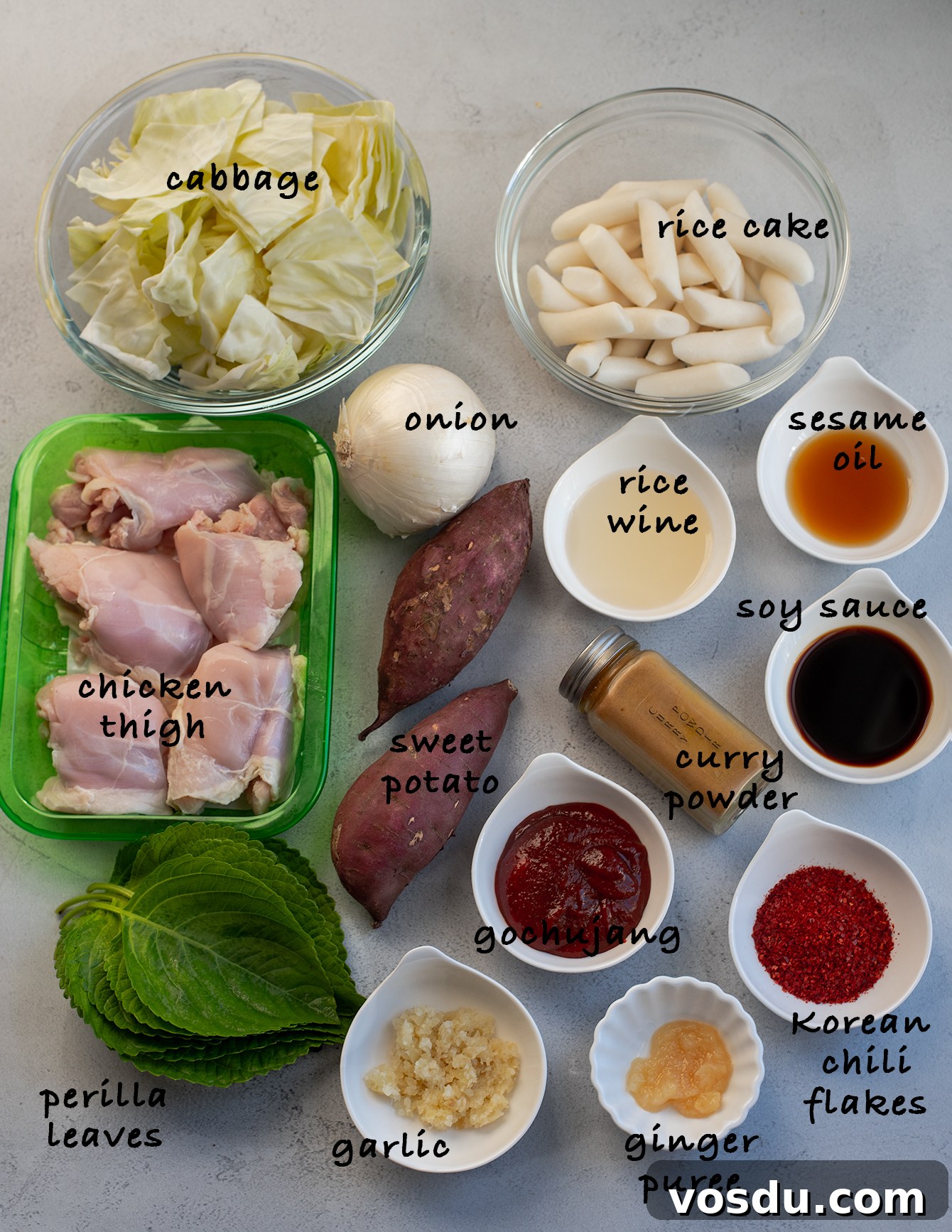
Chicken thighs: Boneless, skinless thighs are best — they stay juicy and absorb the sauce. Breast can work, but it will be drier.
Tteok (rice cakes): Use chewy, cylindrical tteokbokki-style rice cakes. Soak them for about 10 minutes so they soften slightly and cook through evenly.
Cabbage and sweet potato: These lend natural sweetness and texture that balance the heat.
Perilla leaves (kkaennip): Optional, but they add a fresh herbal note when stirred in at the end.
Gochujang + gochugaru + curry powder: This trio creates the Chuncheon-style dakgalbi profile — spicy, savory, and slightly fragrant from the curry.
How I Cook Dakgalbi Step-by-Step
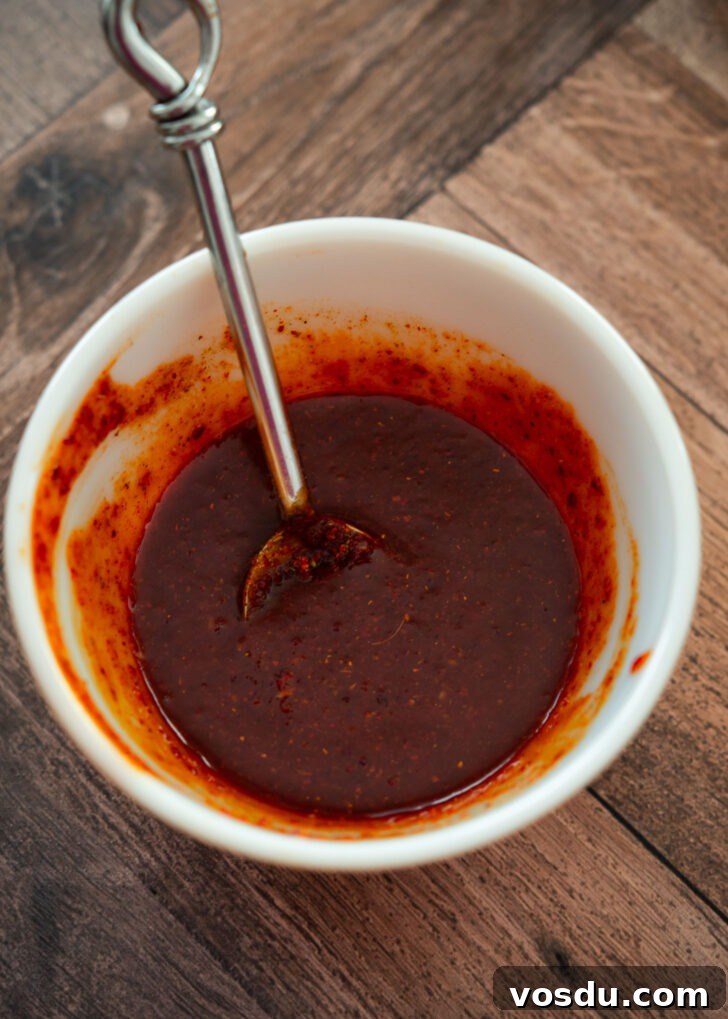
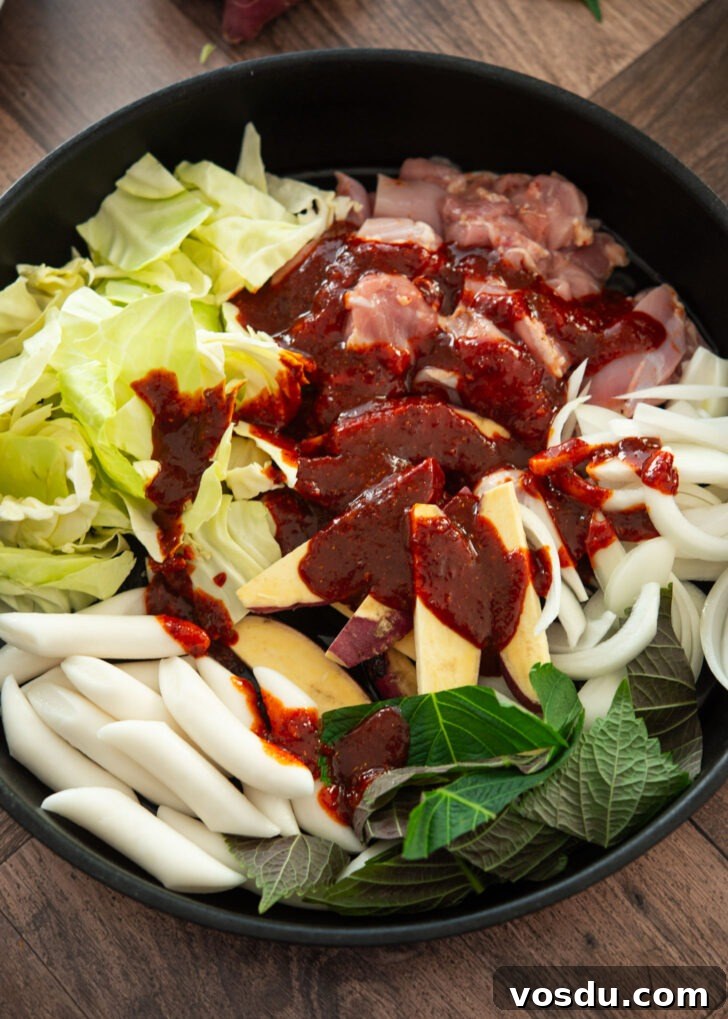
Combine all sauce ingredients in a bowl. Reserve one tablespoon if you plan to make fried rice at the end. Toss the sauce with the diced chicken, rice cakes, cabbage, onion, and sweet potato.
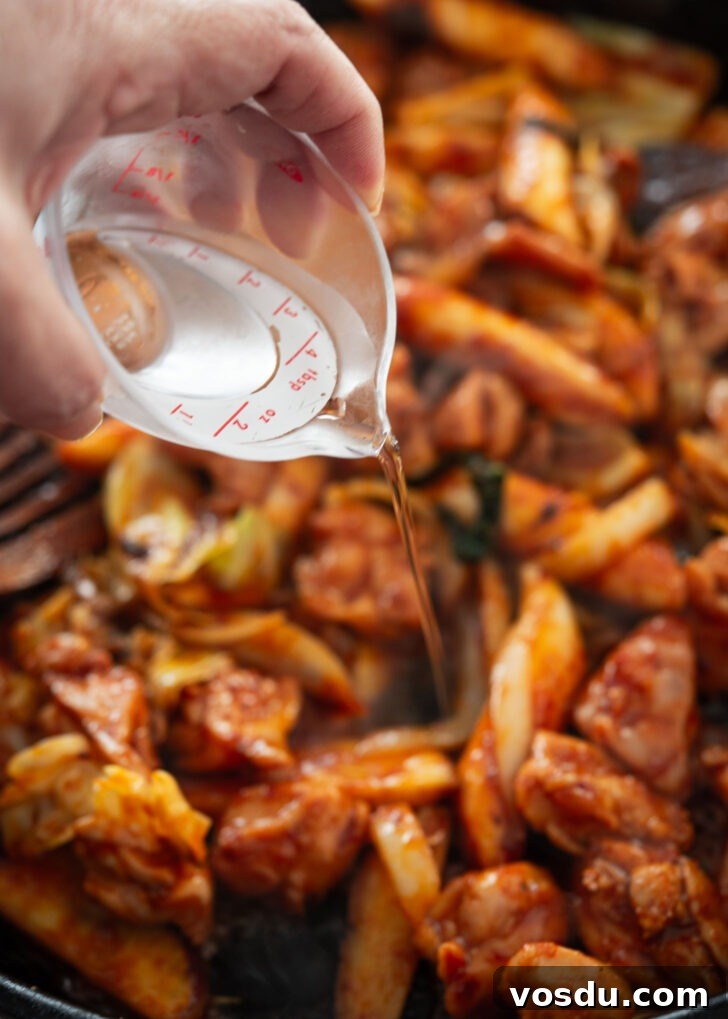
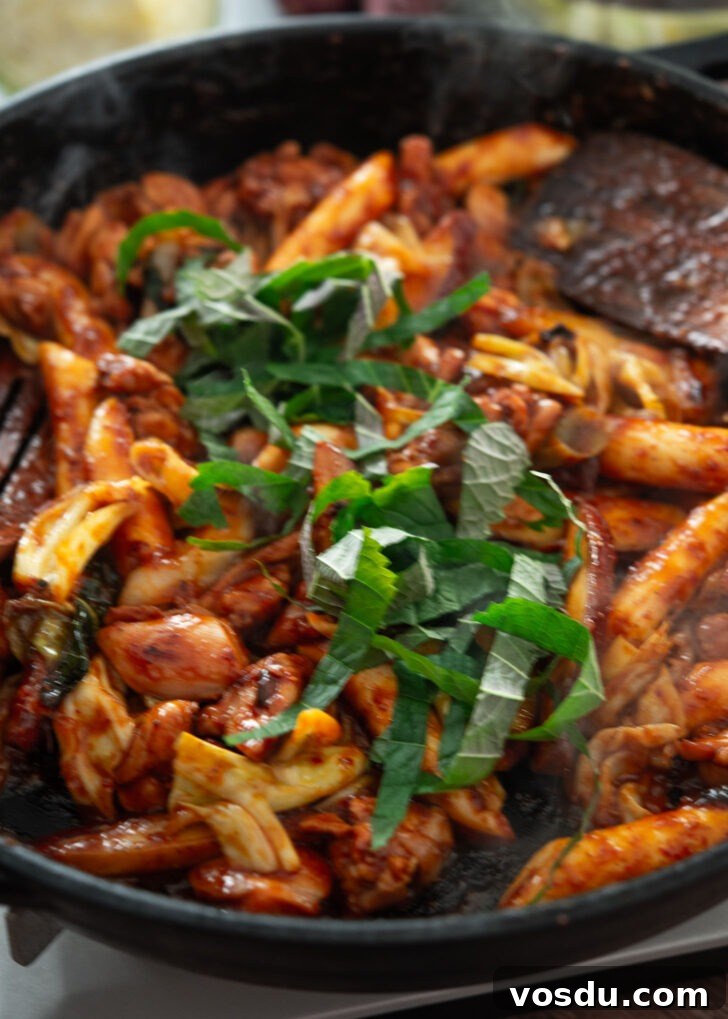
Heat a large cast-iron skillet over medium-high and add oil. Arrange the chicken, vegetables, rice cakes, and half the perilla leaves, then drizzle the sauce over everything. When the pan sizzles, toss to combine and stir-fry for about 6–7 minutes, letting the chicken brown and the sweet potato soften. If the pan becomes too dry or the food sticks, add 1–2 tablespoons of water so the sauce coats the rice cakes smoothly.
When the chicken is cooked through and the vegetables are tender, add the remaining perilla leaves and toss until just wilted. Finish with a sprinkle of toasted sesame seeds and serve immediately while hot.
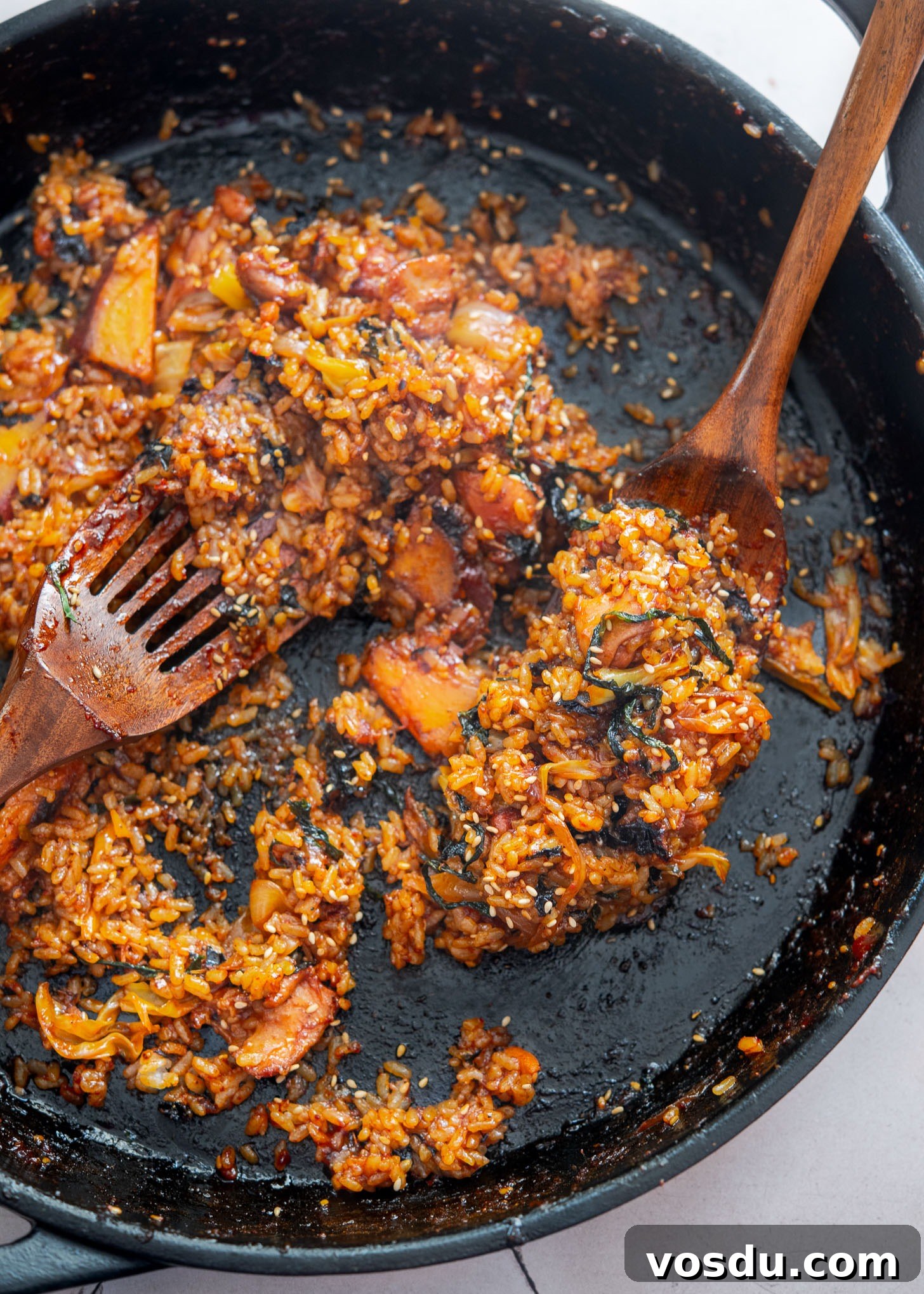
Dakgalbi Fried Rice
In Korea, the meal often ends with fried rice made right in the same skillet — it soaks up every last bit of sauce and becomes irresistibly crispy. After you’ve eaten most of the chicken and vegetables, add cooked rice and the reserved tablespoon of sauce to the pan. Stir to coat, then press the rice to the bottom and let it crisp for a couple of minutes over medium heat to form golden, crunchy bits similar to nurungji (scorched rice).
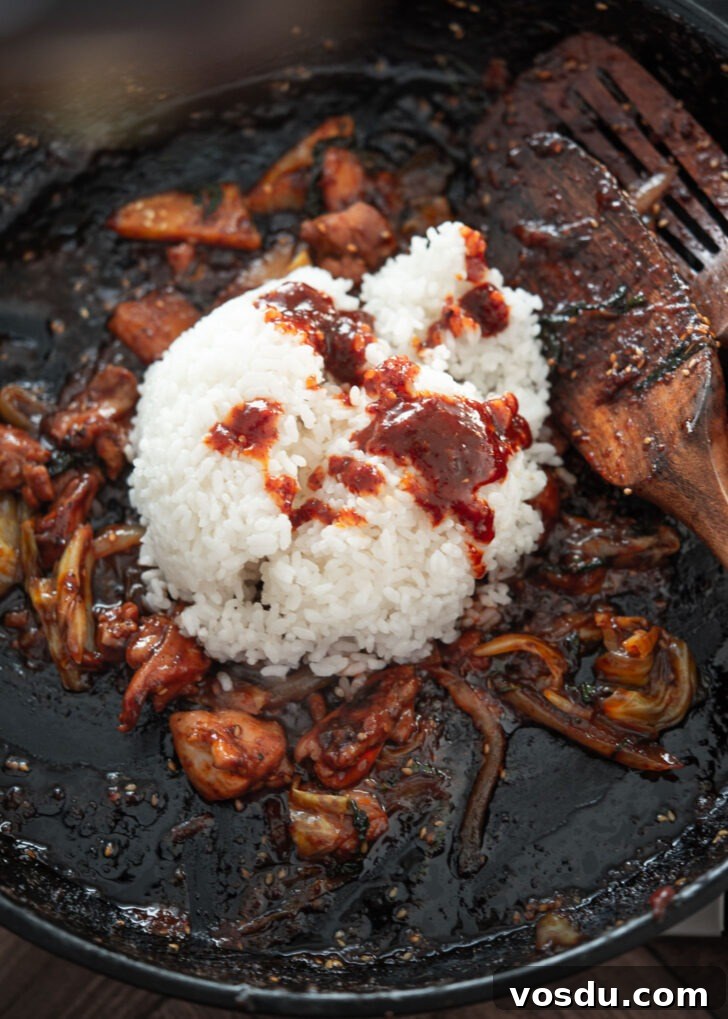
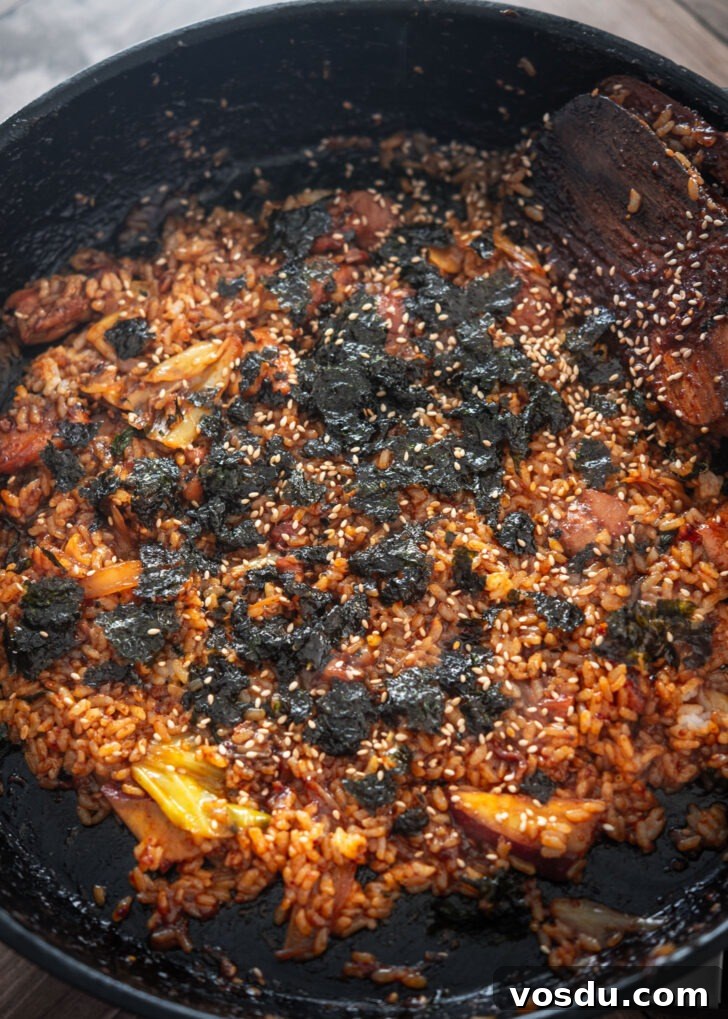
Finish the fried rice with a drizzle of sesame oil, crumbled roasted seaweed, and toasted sesame seeds. Serve immediately so the rice stays crisp.
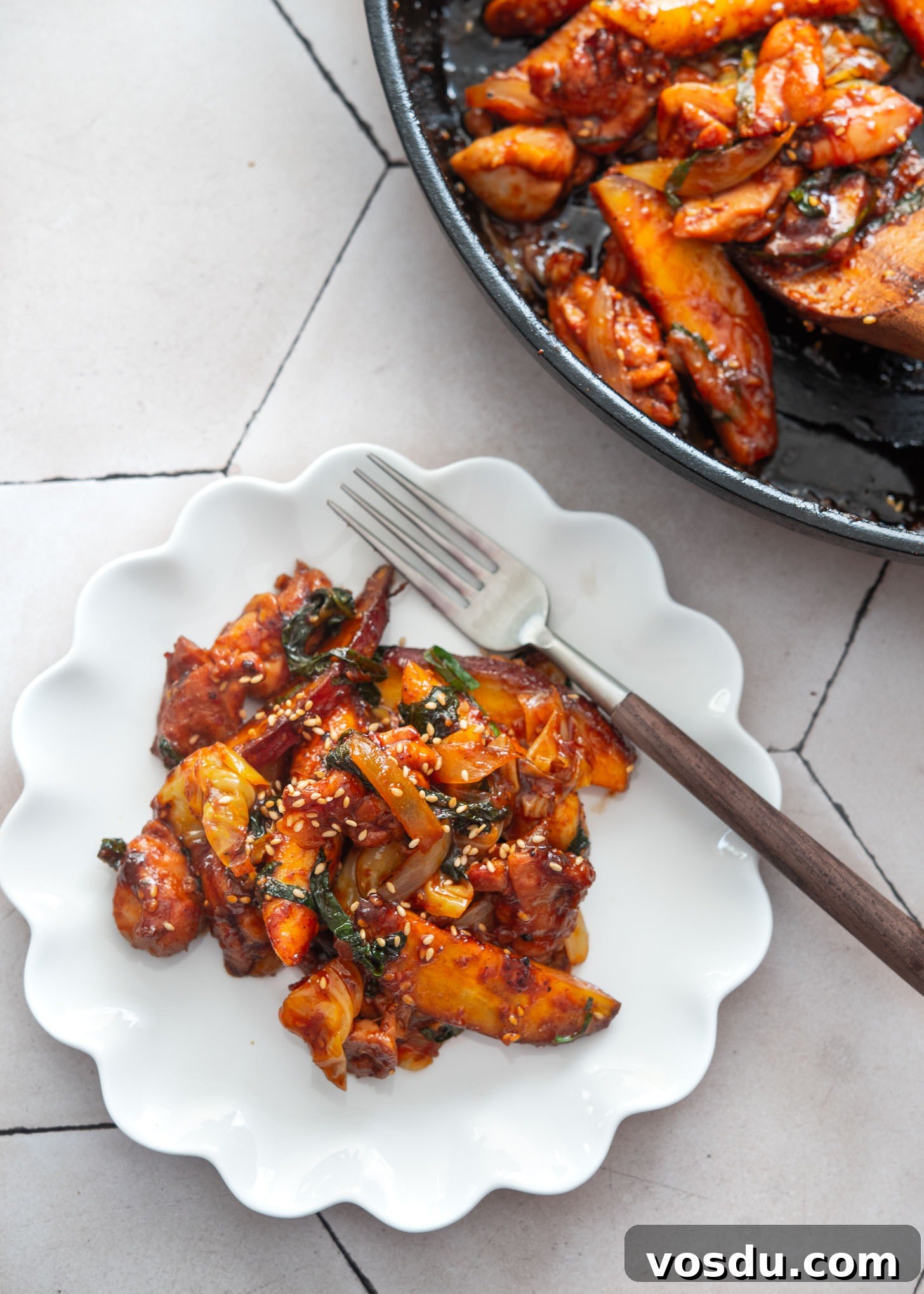
If you love hearty Korean mains, this dakgalbi is a satisfying, flavorful option that’s quick enough for a busy weeknight yet comforting enough for weekend cooking. Try finishing with the fried rice — it’s the highlight for many and gives you the full dakgalbi experience at home.
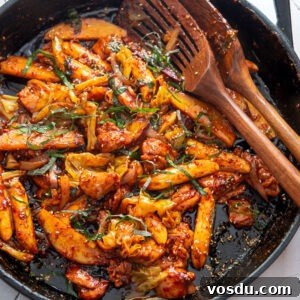
Dakgalbi (Korean Spicy Chicken Stir-Fry)
Ingredients
For dakgalbi
- 1 lb (450 g) boneless, skinless chicken thigh, diced
- 2 tbsp (30 ml) oil
- 1/2 lb (225 g) Korean rice cake sticks
- 1/4-1/2 green cabbage, diced
- 8-10 perilla leaves , sliced
- 1/2 large onion, sliced
- 1 medium sweet potato, sliced into 1/4-inch thick wedges
- 2 tbsp (30 ml) oil
- 2-4 tbsp (30–60 ml) water
- 1 tbsp (12 g) toasted sesame seeds, to garnish
For dakgalbi sauce
- 3 tbsp (60 g) Korean chili paste (gochujang)
- 2 tbsp (30 ml) soy sauce
- 2 tbsp (12–14 g) Korean chili flakes (gochugaru)
- 2 garlic cloves, minced
- 2 tsp (4 g) curry powder
- 1 tsp (3 g) ginger powder
- 2 tbsp (30 ml) sweet rice wine (mirim)
- 1 tbsp (12 g) sugar
- 1 tbsp (15 ml) sesame oil
- 1 tsp (2 g) pepper
- 1 tbsp (15 g) Korean corn syrup (mulyeot), optional
For optional fried rice
- 1 tbsp (15 ml) oil
- 2 cup (320–350 g) cooked rice
- 1 tbsp (15 g) reserved dakgalbi sauce
- 2 handful crumbled roasted seaweed
- 1 tbsp (15 ml) sesame oil
- 1 tbsp (12 g) toasted sesame seeds
Equipment
-
cast iron skillet large size
Instructions
For the dakgalbi sauce
-
Combine all sauce ingredients in a small bowl. Set aside 1 tablespoon if making fried rice.
For stir-frying dakgalbi
-
Soak rice cakes in water for 10 minutes and drain.
-
Heat oil in a large cast-iron skillet. Arrange chicken, vegetables, sweet potato wedges, and rice cakes, then drizzle half the perilla leaves and the sauce over everything. Bring the skillet to medium-high heat.
-
When you hear a strong sizzle, toss to combine. Stir-fry for 6–7 minutes until the chicken is cooked and the rice cakes and sweet potatoes are tender. Add 2 tablespoons of water (or more) if the pan sticks to loosen the sauce and help everything cook evenly.
-
Add the remaining perilla leaves toward the end. Sprinkle with toasted sesame seeds and serve hot.
To make fried rice
-
After finishing dakgalbi, turn heat to medium and add 1 tablespoon oil. Add cooked rice and the reserved sauce, stir to coat with the pan’s sauce residue.
-
Press the rice to the skillet bottom and let it crisp for about 2 minutes over medium heat.
-
When the rice is golden and sticky on the bottom, drizzle sesame oil, add crumbled roasted seaweed and toasted sesame seeds, toss to combine, and serve immediately.