It’s a food confession: I didn’t eat strawberries for thirty years. That sounds extreme, but it’s true. I have a vague memory of tasting berries as a small child, yet through my teens, twenties and into part of my thirties I insisted I didn’t like berries, currants or any similar fruits—grapes and cherries included. To me, cherries felt too berry-like to be in any other category. A few years ago I decided to break some old habits and challenge my food prejudices. Someone dared me to try a strawberry, so I did—and I was surprised to enjoy it.
I wondered if texture was the issue. Berries can be soft and mushy, while the fruits I preferred—apples, pears, oranges, even pineapple—had firmer textures or a sharper zing. I wasn’t averse to berry flavors in foods, but anything labeled “berry” I would dismiss. After that first strawberry, though, I began experimenting: more berries, a kiwi, and even my first banana since childhood. It’s been an amusing, sometimes baffling journey of re-learning tastes.
Cherries are next on that list. I love cherry juice—especially the tart varieties from Mediterranean shops—and cherry-flavored soda was a childhood favorite. Yet I still hadn’t eaten a fresh cherry until recently. As I write, there are nine cherries in a fruit bowl nearby and I keep avoiding them. Oddly, if I bake them into something, I’ll happily eat the result. That’s why I’ve been making little individual clafoutis: I can enjoy cherries without confronting the whole raw-fruit hesitation.
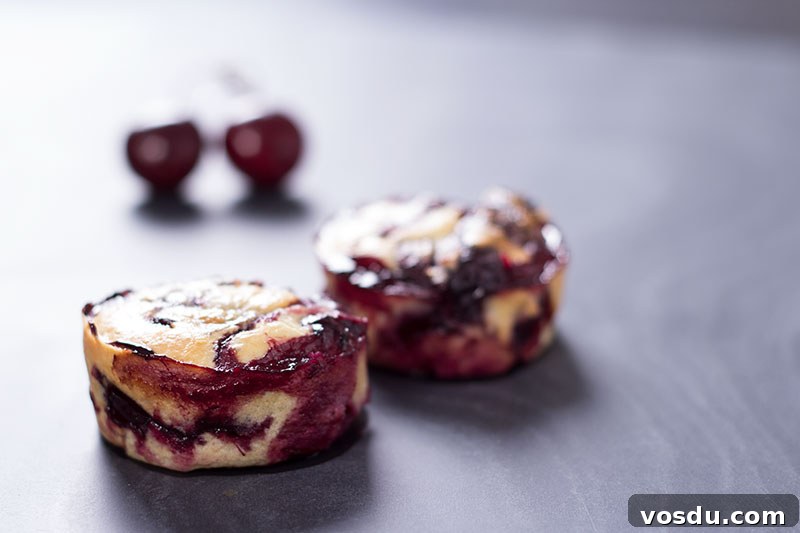
Baking the fruit seems to change my reaction entirely. It highlights how personal and idiosyncratic food aversions are and how flexible our tastes can be if we give them a chance. Small, deliberate experiments with foods we think we dislike can lead to surprising changes in preference. With patience and a little curiosity, we can often learn to enjoy things we once rejected.
In fact, by the time I finish this post I fully intend to walk into the kitchen and try a raw cherry. I’m making a promise to myself: no more excuses.
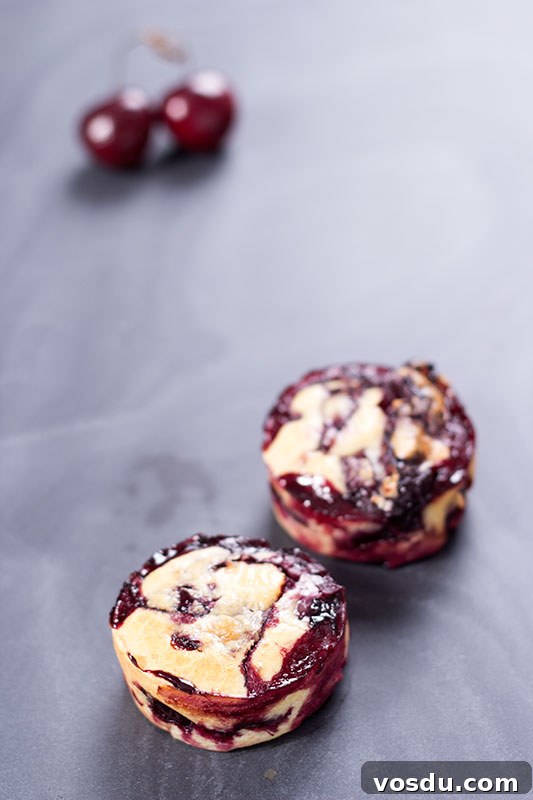
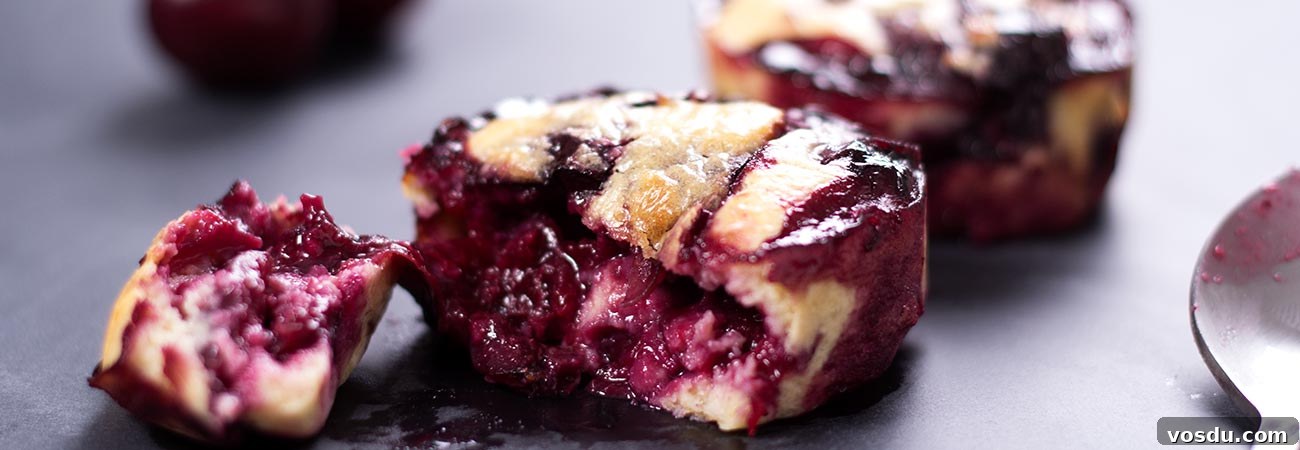
Now, about today’s recipe. Cherry clafoutis is a classic French dessert—elegant, simple and utterly delicious. These mini cherry clafoutis are tender, fruit-forward and lighter than many desserts: dairy-free, with no refined sugar added. They’re ideal if you’re cutting down on sugar or prefer a more wholesome sweet. If you want extra sweetness, a drizzle of maple syrup after baking works beautifully.
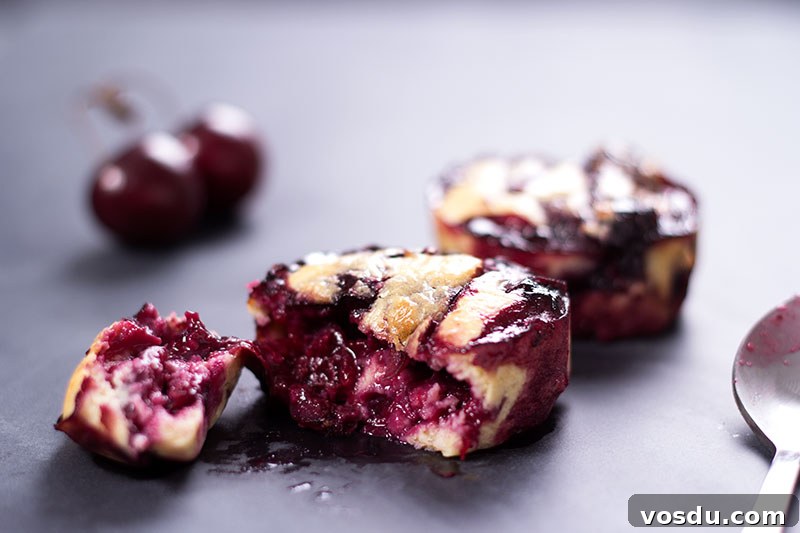
Fruit loaded mini cherry clafoutis
By Gavin Wren
Makes 8 mini clafoutis
Uses a muffin tin
Ingredients
Approximately 350g cherries, pitted and quartered (about 4 per clafoutis)
75g white spelt flour
75g ground almonds
2 large eggs, gently beaten
40g melted butter, plus extra for greasing
Zest of 1 lemon
175ml coconut milk
1 teaspoon vanilla extract
Optional: Maple syrup to drizzle.
Directions
Preheat your oven to gas mark 7, 425ºF (218ºC, 198ºC fan). Grease a muffin tin well with the extra butter.
Sift the spelt flour and ground almonds into a mixing bowl, then stir in the lemon zest. Add the beaten eggs and mix until a thick paste forms—use a spatula to scrape the batter from the whisk if needed.
Gradually add the coconut milk in small portions (about 30ml at a time), whisking until the batter is smooth and free of lumps before adding more. Once all the coconut milk is incorporated, stir in the melted butter and vanilla extract.
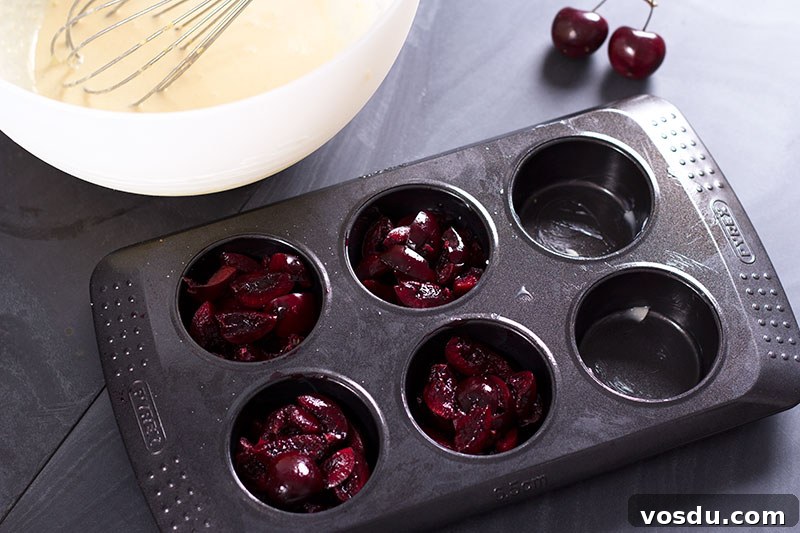
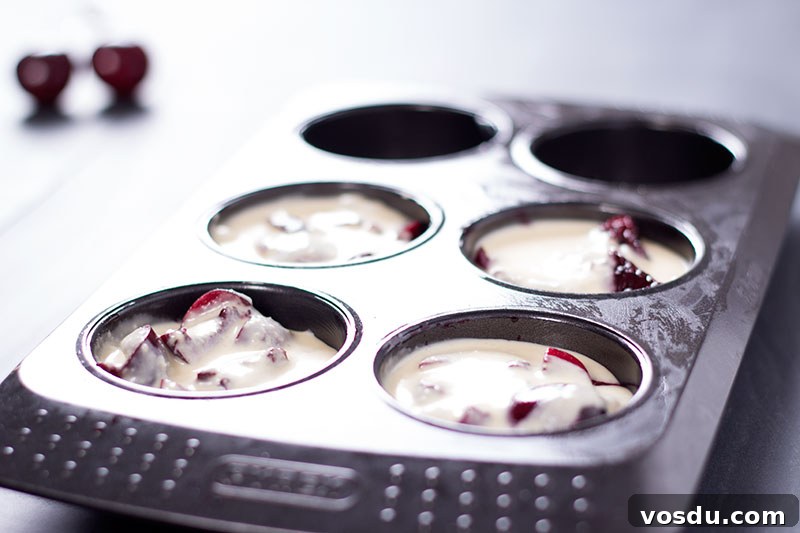
Roughly fill each muffin hole nearly to the top with cherries, placing them loosely rather than pushing them down. Pour the batter over the cherries until it levels with the top of the fruit.
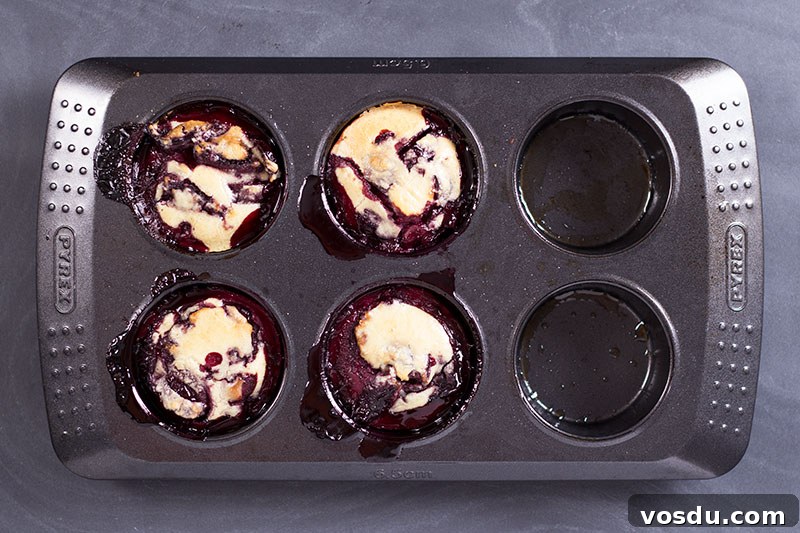
Bake for about 15 minutes, or until the tops take on a light colour and the clafoutis are set.
Remove from the oven and run a knife around the edge of each muffin cavity. Gently ease the clafoutis out with a spatula or invert the tin onto a plate to release them.