Is it possible to eat healthy on a budget? Absolutely. Whether you’re single, in college, raising a family, or retired, most of us welcome ways to save money without sacrificing nutrition. Below are 10 practical tips to make healthy eating more affordable and sustainable.
Deciding to eat healthier is the first step toward better wellness. Once you have the right mindset and consistent habits, the next challenge is adjusting your grocery cart without overspending. Organic produce and higher-welfare meats can be costly, but eating well doesn’t have to break the bank. Focus on smart, budget-friendly choices, keep essential staples on hand, and reduce food waste so you aren’t tossing money in the trash.
10 Tips to Eat Healthy on a Budget
Below are actionable strategies you can use right away to lower your grocery bill while keeping meals nutritious and flavorful.
1. Replace some meat with other proteins.
High-quality meats like organic, pastured, or grass-fed options are healthier but expensive. A good approach is to buy less meat overall and prioritize quality when you do purchase it. Supplement meals with budget-friendly plant proteins such as lentils, beans, chickpeas, and tofu. Lentils, for example, are rich in protein and fiber, cook quickly, and store well for use in salads, baked potatoes, soups, and grain bowls.
2. Learn the least expensive cuts of meat.
Tougher cuts—pork shoulder, beef chuck, and stew meat—are usually cheaper, even in organic or grass-fed varieties. These cuts become tender and flavorful when cooked low and slow in a slow cooker, pressure cooker, or braise, delivering great value and satisfying meals.
3. Don’t forget to buy eggs.
Eggs are one of the most affordable whole-food complete proteins. Even higher-priced pasture-raised eggs typically cost only a few dozen cents per egg. They’re versatile—hard-boiled for snacks, added to salads, or used in casseroles and frittatas—helping stretch other ingredients and reduce waste.
4. Shop and eat seasonally.
Seasonal produce is fresher, tastier, and often less expensive because of local abundance. Check what’s in season in your area and plan meals around those items. Cooking larger batches—casseroles, slow-cooker meals, and soups—lets you take advantage of low prices and freeze portions for later.
5. Snack on walnuts.
Nuts vary widely in price. Walnuts are frequently more affordable per pound than almonds, cashews, or pecans and offer high levels of plant-based omega-3s. Use them as a snack, add them to salads, oats, or yogurt to boost nutrition without overspending.
6. Take advantage of frozen fruits and vegetables.
Frozen produce is generally cheaper than fresh and retains nutrients because it’s frozen at peak ripeness. Frozen vegetables are excellent for soups, stir-fries, and casseroles, while frozen fruits are convenient for smoothies, oatmeal, and puddings. Buying frozen reduces spoilage and makes healthy eating more practical and economical.
7. Make your own nut and seed milks.
Many store-bought non-dairy milks are mostly water and can be pricey. Homemade options are simple and cost-effective. Cashew milk requires minimal prep: soak cashews, drain, and blend with water until smooth. Hemp milk is quick—blend hemp seeds with water. Homemade milks are fresher, customizable, and less expensive in the long run.
8. Skip premade “healthy” treats.
Prepackaged “health” snacks—grain-free cookies, fancy granola, specialty bars, and dairy-free ice creams—often come with a premium price. Prioritize whole, fresh foods as your daily staples and make treats at home when possible. Homemade snacks and desserts can be healthier and cost a fraction of store-bought specialty items.
9. Minimize food waste by using your freezer.
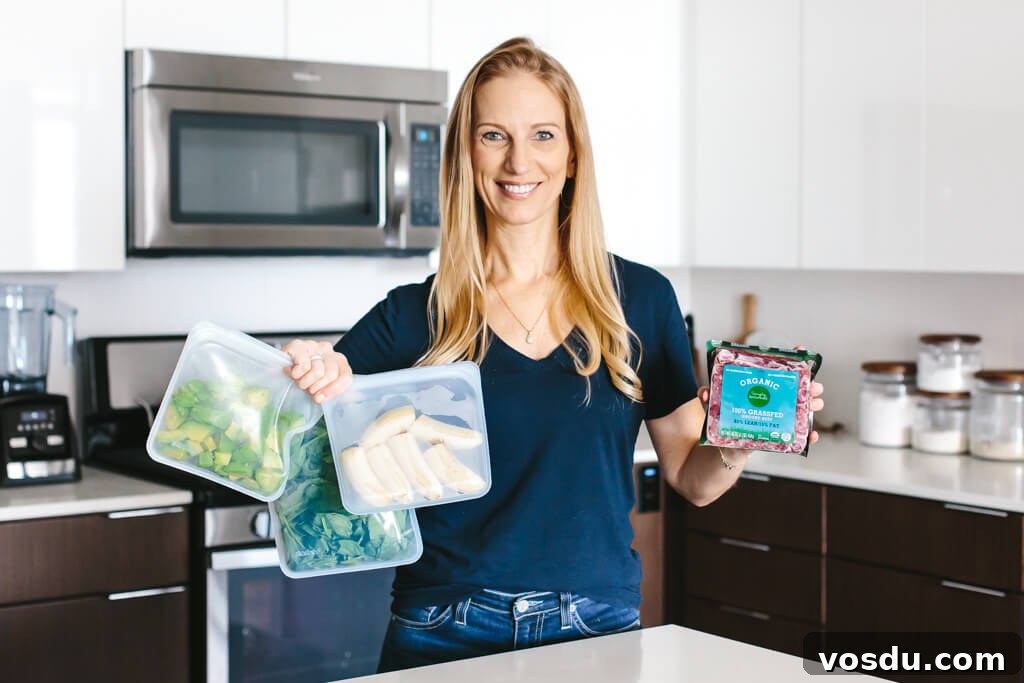
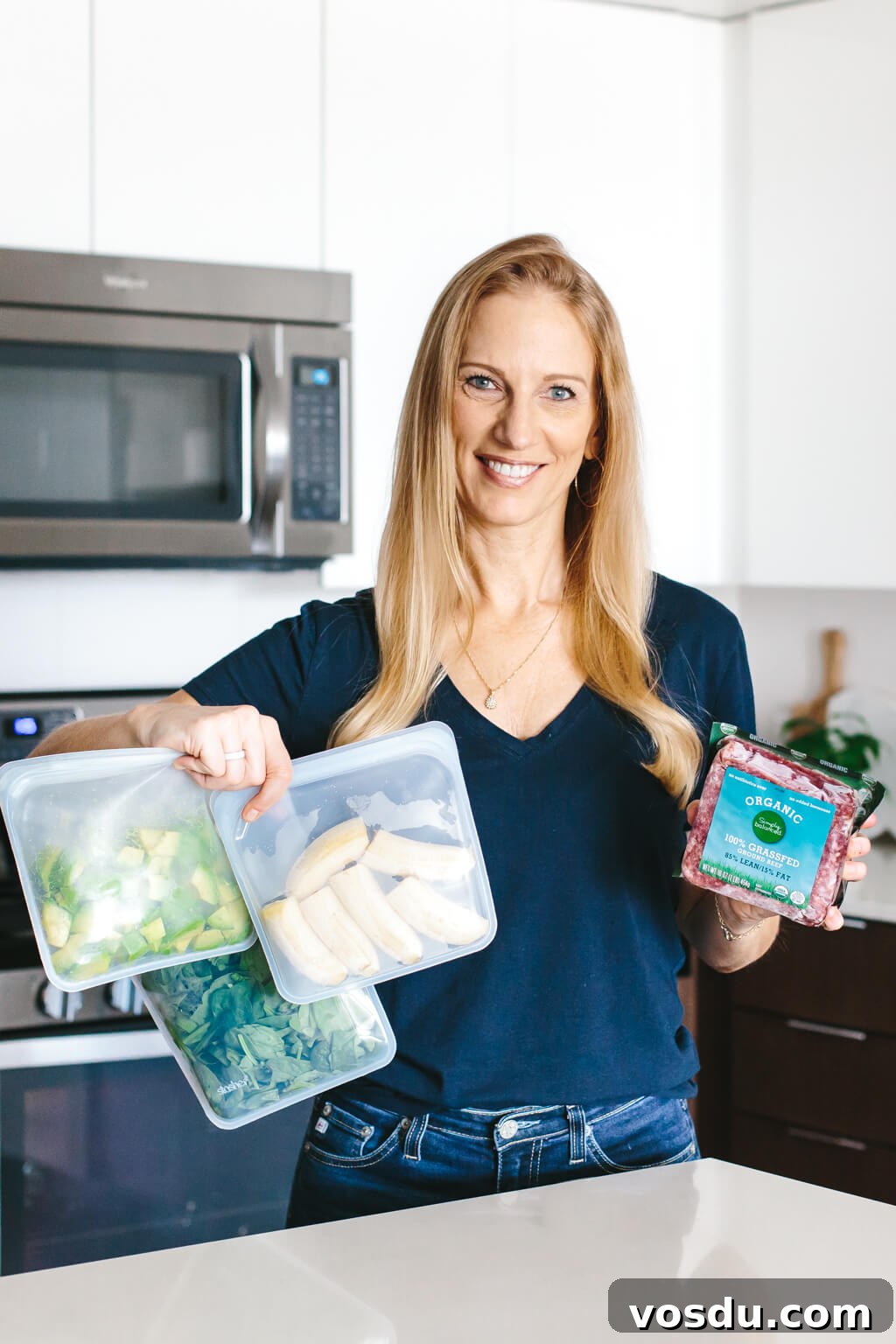
Food waste is a hidden cost. Use your freezer to extend the life of ingredients: slice and freeze ripe bananas for smoothies and baking; keep tortillas frozen and pull out one at a time; freeze bags of greens and grab a handful for smoothies; dice and freeze ripe avocados with lemon juice; and freeze prepared meals or portions of dishes like chia pudding and casseroles. Freezing reduces spoilage and saves money in the long term.
10. Consider a membership to a bulk or discount retailer.
Stores like warehouse clubs can offer significant savings on bulk organic items, frozen goods, and pantry staples. A yearly membership can pay for itself if you buy in bulk smartly and share items across a household. Discount programs at grocery partners related to other memberships can also provide useful savings on recurrent purchases.
With a few planning strategies, smart ingredient choices, and attention to minimizing waste, eating healthy on a budget is entirely achievable. Small changes—swapping some meat for legumes, buying seasonal produce, freezing surplus food, and making basic items at home—add up to big savings and better nutrition.