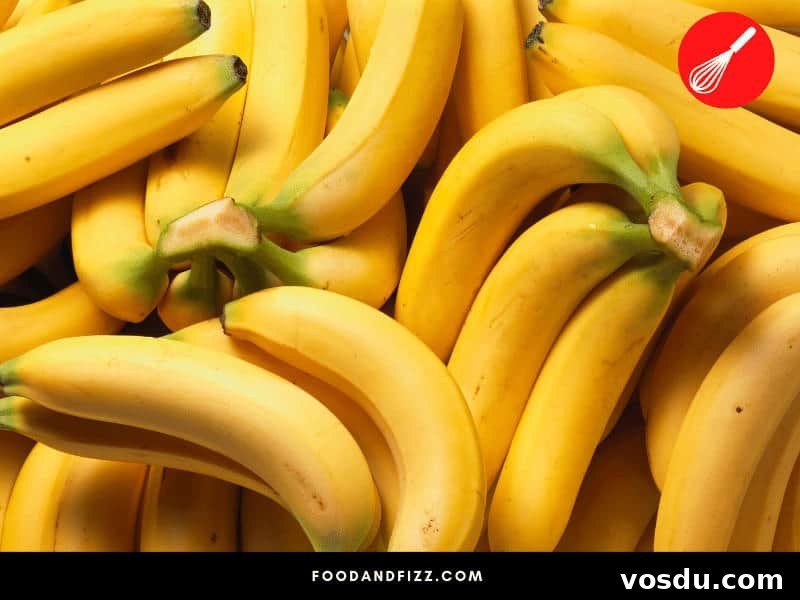
Fruits and vegetables wrapped in plastic often look less natural, and for some people that dampens their appeal. Packaging is usually about practicality—making produce easier to sort, protect, and transport to large grocery stores—but sometimes it extends beyond convenience, as is the case with plastic wrapped around the stems of organic bananas.
As you stroll through the produce aisle, you may notice a strip of plastic or cling film around the stems of organic bananas. Why is that done?
Why Do Organic Bananas Have Plastic on Stem?
Organic bananas often have plastic wrapped around their stems to limit the release of ethylene gas, the natural plant hormone that triggers and accelerates ripening. By covering the stem, stores and distributors slow ethylene escape, which helps the bananas stay firmer and fresher during transport and on store shelves.

What is a Banana?
A banana is a yellow, elongated fruit grown in tropical regions across Asia, South America, and Africa. Botanically it qualifies as a berry and is one of the world’s most consumed fruits because of its flavor, convenience, and nutritional benefits.
Bananas are a good source of vitamins and minerals such as vitamin B, vitamin C, potassium, and magnesium. They provide fiber and antioxidants, are relatively low in calories, and supply quick, easily digestible carbohydrates—making them a popular snack and a convenient pre- or post-workout food. They’re also widely used in cooking and baking, from smoothies and puddings to breads, muffins, and one-ingredient ice cream.

What Are Organic Bananas and How Are They Grown?
Organic bananas are cultivated without synthetic pesticides, fungicides, or genetically modified methods. Visually they can look similar to conventional bananas, though they may show more natural blemishes or irregularities since they are not treated with chemicals designed to enhance appearance.
While organic and conventional bananas are nutritionally comparable, choosing organic reduces exposure to synthetic agricultural chemicals in the growing process.
Organic Bananas vs. Conventional Bananas: Which Is Better for You?
Conventional bananas are often treated with pesticides and synthetic fertilizers during cultivation. Although the thick peel offers protection and many fruits are lower on pesticide lists than others, residues can still enter the plant during growth. Organic bananas avoid those synthetic chemicals, offering a choice that limits exposure to potentially harmful substances. Nutritionally, however, both organic and conventional bananas provide similar vitamins, minerals, and dietary benefits.
Why Do Organic Bananas Have Plastic on the Stem?
The plastic wrap on banana stems serves to trap or block ethylene gas produced by the fruit. Ethylene is a natural plant hormone that promotes ripening. Because bananas generate substantial ethylene as they mature, wrapping the stem slows the gas’s escape and delays ripening, which helps the fruit last longer during transport and on shelves—especially important for organic bananas that are not treated with synthetic ripening agents.
Climacteric and Non-Climacteric Fruits
Fruits are often classified by their ripening behavior: some continue to ripen after harvest (climacteric), while others do not (non-climacteric).
Climacteric fruits
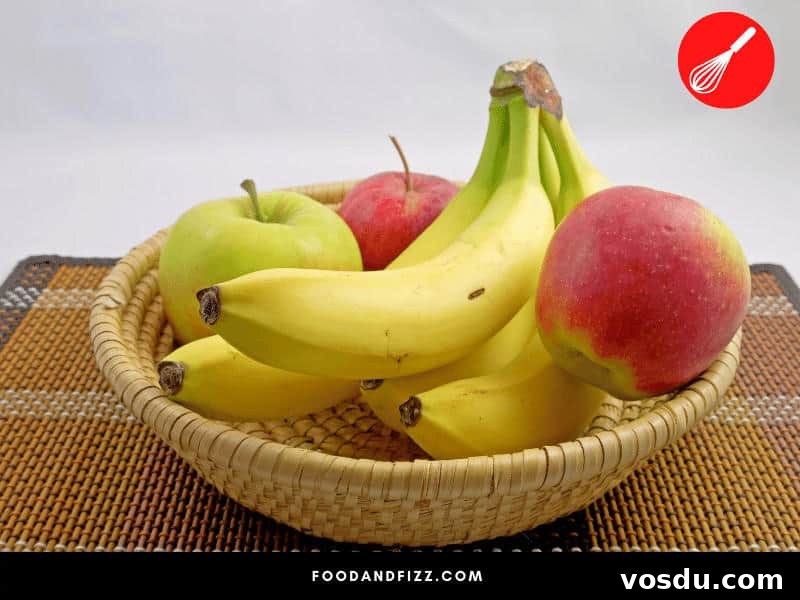
Climacteric fruits, such as bananas, apples, and avocados, produce large amounts of ethylene after harvest and can ripen off the plant. This makes it practical to harvest them slightly underripe and allow controlled ripening during transport. Because they both emit and respond to ethylene, climacteric fruits can ripen and spoil faster if exposed to extra ethylene from nearby produce.
Non-climacteric fruits
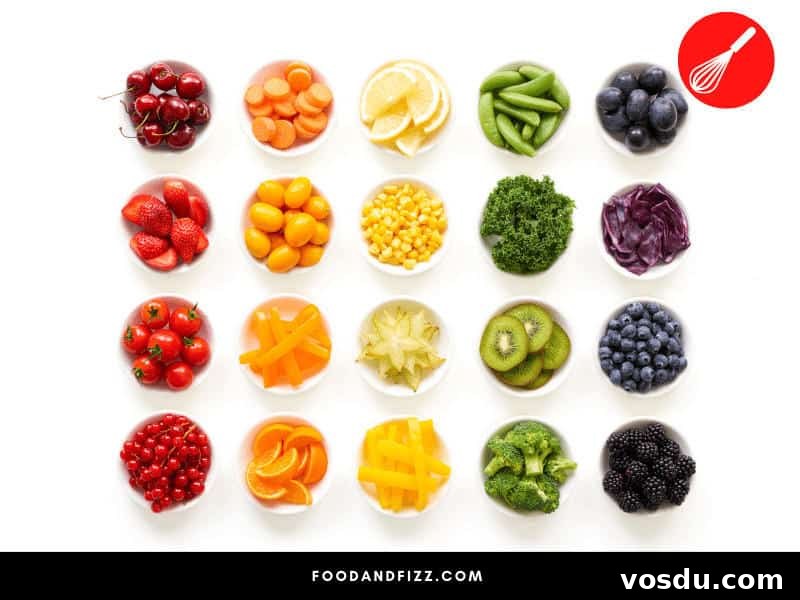
Non-climacteric fruits—such as strawberries, lemons, oranges, and raspberries—do not continue to ripen once picked. Their peak quality is usually at harvest and they are less influenced by ethylene exposure from other fruits.
How to Store Organic Bananas So That They Last Longer
Because bananas produce ethylene and continue ripening after harvest, a few simple steps can extend their usable life, especially for organic bananas.
Here are practical tips to keep bananas fresher longer:
1. Buy slightly green, underripe bananas.
Choose bananas that are still firm or have a hint of green. They will ripen at home more slowly and last longer on your counter than fully ripe fruit.
2. Remove packaging when you get home.
Take bananas out of paper or plastic bags to avoid trapping ethylene. Confined packaging concentrates the gas and accelerates ripening and decay.
3. Wrap the stems with plastic wrap or foil.
Wrapping stems reduces ethylene release and slows ripening. For extra delay, separate bananas and wrap each stem individually.
4. Keep bananas away from other ripe fruit.
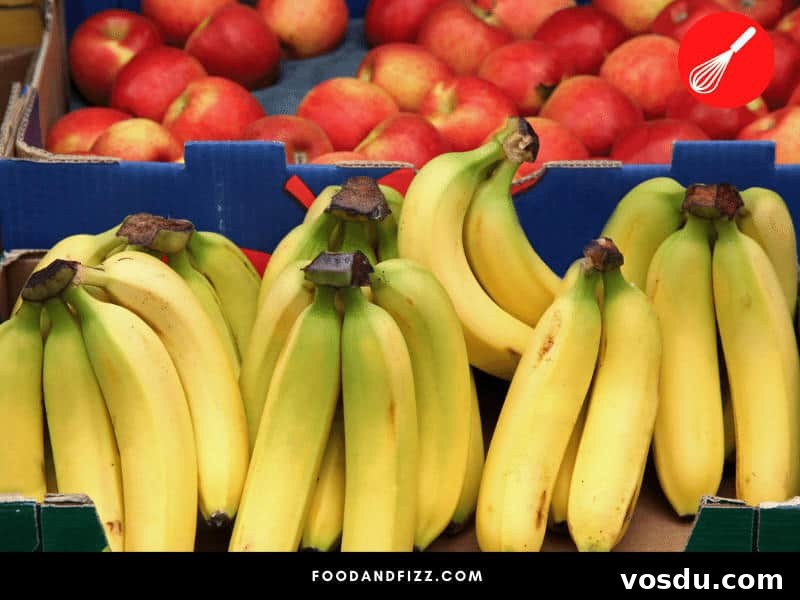
Ethylene from ripe apples or other produce can speed up banana ripening. Store bananas separately to avoid this effect.
5. Refrigerate or freeze them for longer storage.
Refrigeration slows ripening; the peel may darken but the fruit inside stays firm longer. For long-term storage, peel and slice bananas, then freeze in bags for smoothies and baking.
Conclusion
Bananas are versatile, nutritious, and convenient. The plastic often seen around organic banana stems is a simple, practical step to slow ethylene release and delay ripening during transport and storage. Whether you purchase organic or conventional bananas, selecting slightly underripe fruit, removing tight packaging, wrapping stems, and using refrigeration or freezing will help keep them fresh longer.
Frequently Asked Questions
Can I use foil to cover banana stems instead of plastic wrap?
Yes. Foil works similarly to plastic wrap if sealed properly around the stem, helping reduce ethylene escape and slowing ripening.
Are organic bananas healthier than regular bananas?
Nutritionally they are largely similar. The main difference is that organic bananas are grown without synthetic pesticides and fertilizers, which reduces exposure to those chemicals.