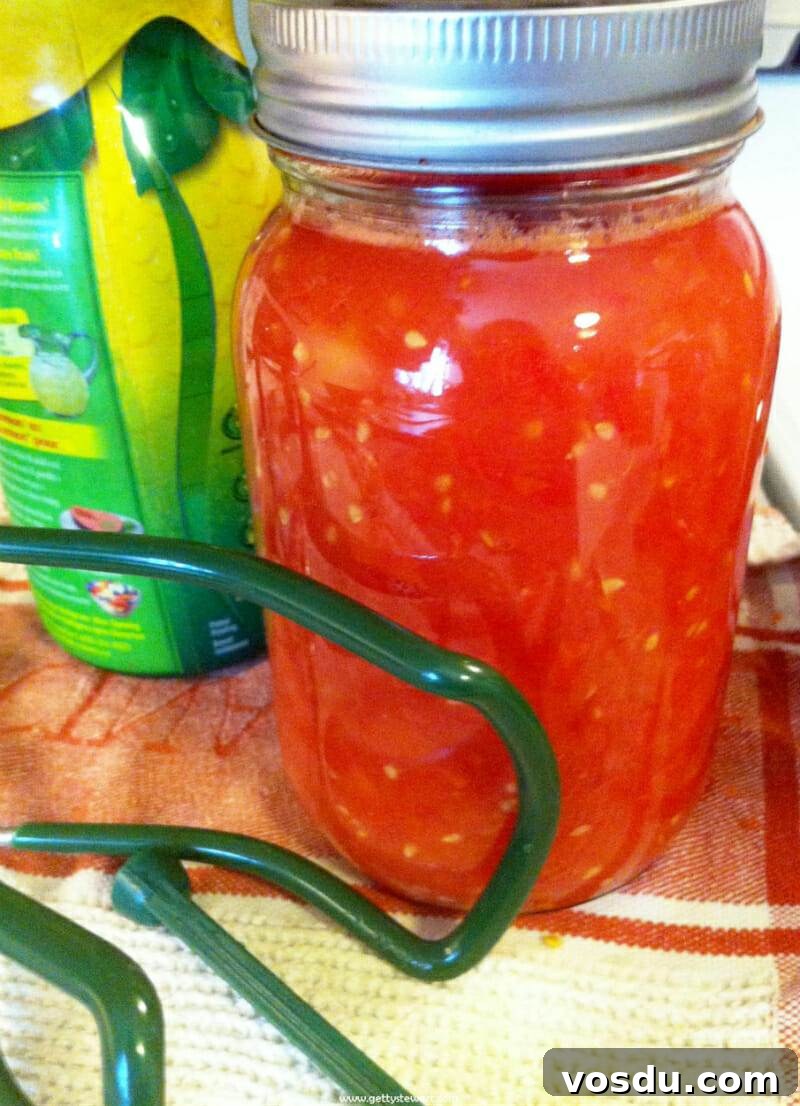
The Safety Issues around Canning Tomatoes and Tomato Products
I stopped by CTV Morning Live to talk about how to can tomatoes safely. This article expands on why tomatoes require extra care compared with many other fruits when preserving at home.
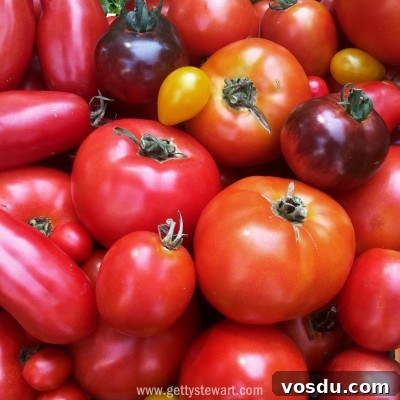
Tomatoes Sit on the Border Between High Acid and Low Acid
Tomatoes have a pH that typically ranges from about 4.4 to 4.9, so their acidity can vary enough to affect the safe canning method. Although tomatoes taste acidic, they are generally less acidic than many fruits; for comparison, apples usually have a pH between 3.2 and 4.0.
Remember: high acid means low pH. Only foods with a pH of 4.6 or lower are safe for water bath canning. Because many tomatoes can fall above that threshold, you cannot assume homegrown or fresh-picked tomatoes are acidic enough to water bath can without adjustment. The safe solution is to add acid in a controlled amount.
Water bath canning requires pH ≤ 4.6;
tomatoes’ pH is roughly 4.4 to 4.9 — be safe: add acid.
A tomato’s acidity can change with variety, growing conditions and even the season, so it’s impossible for a home canner to be certain of the exact pH of any batch. To make up for that uncertainty, add a measured acidifying ingredient such as bottled lemon juice, vinegar, or powdered citric acid before processing. This guarantees the jars reach a safe acidity level.
Add 2 tablespoons of bottled lemon juice to each quart jar when canning tomatoes.
Citric acid powder is often recommended because it usually leaves little to no noticeable flavor change in the finished product. If you want to preserve a pure tomato taste, citric acid can be a good choice.
I personally prefer the flavor of lemon juice over vinegar and use commercial bottled lemon juice when canning. Use commercial lemon juice rather than fresh-squeezed juice because commercial products have a consistent, tested acidity that ensures the proper pH for safe preservation.
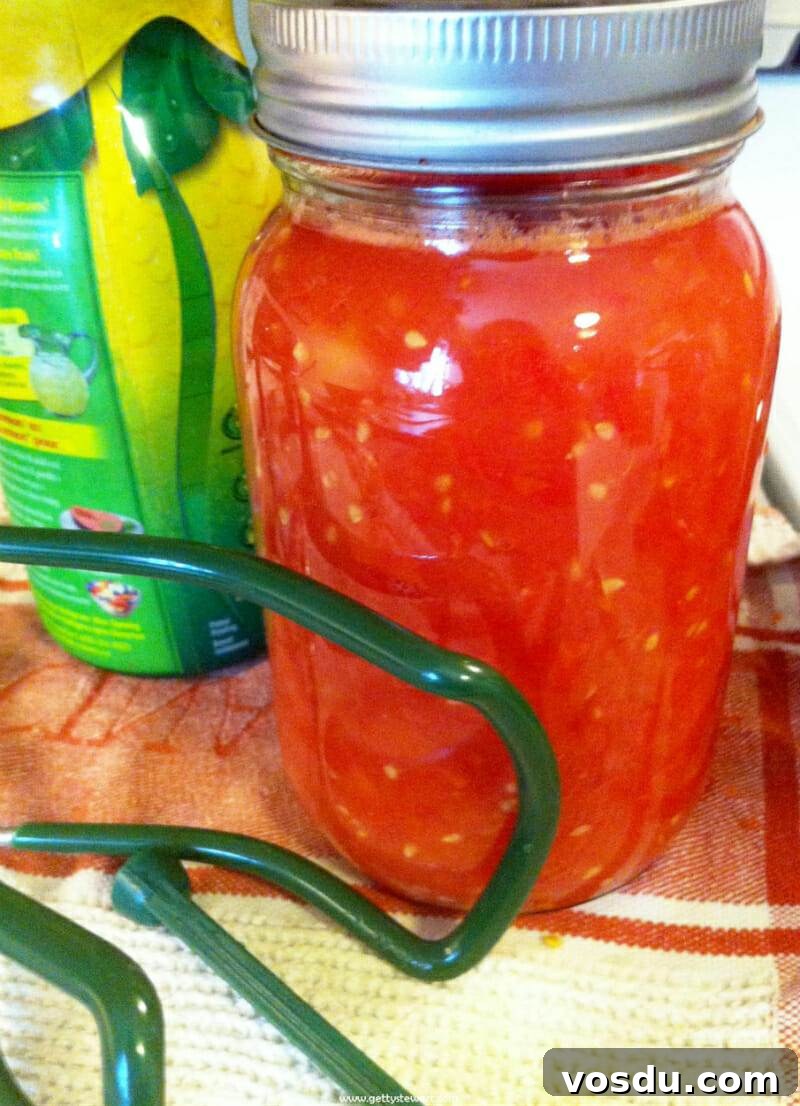
Clostridium botulinum and Why It Matters
Clostridium botulinum is one of the most dangerous pathogens to consider in home canning because it produces the toxin that causes botulism, a potentially fatal illness. This bacterium thrives in environments that are moist, low in acid, low in salt, and low in oxygen — exactly the conditions inside improperly processed jars. Canned tomatoes, tomato products, meats, soups, stews, fish, beans and other low-acid foods can provide ideal conditions for botulism spores if not processed correctly. Following current, tested canning guidelines is essential to ensure safety.
The risk is real. Not every jar processed by outdated or untested methods will cause illness, but because Clostridium botulinum cannot be detected by sight, smell or taste, you must treat the threat seriously. All low-acid foods must be processed using safe methods. Even commercially frozen vegetables can become dangerous if they are later canned improperly, as past outbreaks demonstrate. Following tested procedures protects you and your family from severe consequences.
How to Avoid Clostridium botulinum in Home-Canned Goods
– Use high-acid foods or acidify borderline foods like tomatoes.
– Add the correct amount of acid following tested recipes and guidelines — for example, consult authoritative sources such as the National Center for Home Food Preservation for specific amounts and procedures.
– Process low-acid vegetables, meats and mixed dishes in a pressure canner, which reaches the high temperatures required to destroy botulism spores (around 240°F / 116°C). Always follow tested times and methods from trusted sources to ensure safe results.
Canned tomatoes are a wonderful pantry staple. When you follow current, tested practices—acidifying tomatoes when needed and using the correct processing method—you can enjoy safe, flavorful home-canned tomato products.
Other tomato posts on this site:
Tomato Jam
Canning Crushed, Diced or Chopped Tomatoes
Freezer Salsa
Fresh Salsa or Pico de Gallo
Canning posts include:
Three Canning Tools You Need
Sterilizing and Water Bath Canning Info Sheet
Want to learn more? Consider a preserving workshop. Getty Stewart offers talks and workshops with practical tips, tested recipes, and time-saving kitchen ideas. She is a professional home economist, author, and experienced home preserver.