How Do I Convert Recipes Into Instant Pot Recipes?
This is the question I get asked most often. I use my Instant Pot all the time, but converting traditional recipes can feel tricky at first. With a few adjustments and a little practice, most recipes can be adapted for pressure cooking successfully.
How to convert recipes to Instant Pot recipes
Here are practical tips that make converting recipes easier and more reliable.

1. Don’t add dairy while pressurizing
Dairy behaves differently under high heat and pressure than it does on the stove or in a slow cooker. Add cream, milk, or soft cheeses only after the pressure cycle is complete and the pot is depressurized. Adding dairy before pressurizing can lead to scorching or curdling. For soups and sauces, finish by switching to Sauté and stir in the dairy until smooth and warmed through.
2. Adjust recipes to fit the Instant Pot capacity
When converting recipes, think about volume as well as time. Ingredients that expand—like pasta, rice, or dried beans—will swell during cooking. Pressure cookers should not be filled beyond two-thirds full, and for foods that foam (beans, starchy items) stay well below that. Use the MAX line on the insert as a guide and leave headspace for steam.
3. Use Instant Pot features: Sauté, Brown, and More
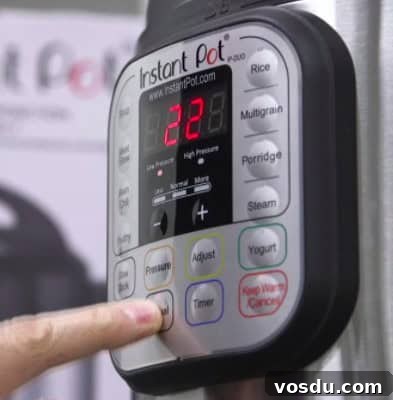
Unlike slow cookers, the Instant Pot can sauté, brown, and simmer. Use the Sauté function to sear meat, soften onions, or brown garlic before pressure cooking—this boosts flavor and often reduces overall cooking time. Treat the Sauté setting like a skillet on the stove when a recipe calls for browning.
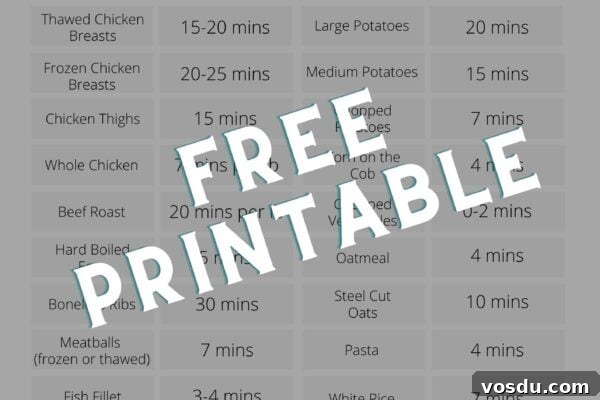
Keeping a reference of common pressure-cooking times is useful when estimating how long ingredients need under pressure.
4. Start with easy slow cooker recipes
Begin converting recipes that already use liquid and simple steps. Pressure cookers need some liquid to create steam and build pressure, so recipes that simmer or braise translate best. If a recipe has little or no liquid—such as cheesecake, meatloaf, or lasagna—use a trivet, springform pan, or a steaming rack and provide a water base so the pot can pressurize safely.
When tackling more complex conversions, look for established Instant Pot versions of similar recipes for a starting point and adjust amounts and timing to match your ingredients.
5. Converting slow cooker times to Instant Pot times
Cook time is often the hardest part of conversion. Pressure cooking dramatically shortens active cook time compared to slow cooking, so consult a reliable time chart or use a similar Instant Pot recipe as a guide. Remember to factor in the time it takes for the pot to come to pressure and natural release when planning.
6. Match ingredient cook times
For “dump and go” recipes, choose ingredients that have similar cook times so everything finishes evenly. If necessary, pre-cook or cut items smaller to reduce their required time. Expect some trial and error the first few times you convert a recipe.
7. Determine how much liquid to use
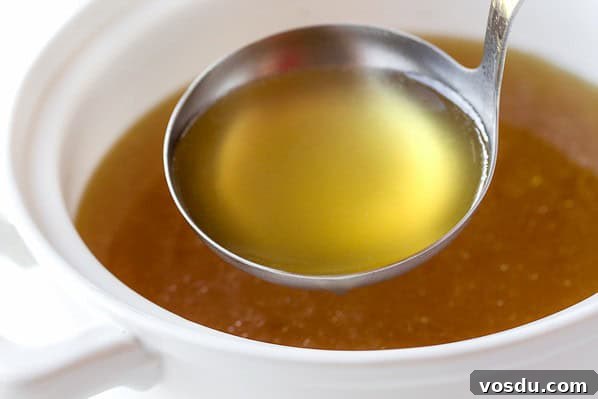
Getting liquid right is essential. Too much produces a watery result; too little prevents pressurization. A good rule of thumb is at least 1 cup of water for recipes with very little liquid and about 1/2 cup when using thicker liquids like tomato or teriyaki sauce. Keep in mind that pressure cooking loses very little liquid, so adjust quantities accordingly.
For many recipes, adding a small amount of extra water is enough to convert them into reliable Instant Pot dishes.

8. Choose the right pressure release method
Deciding between quick release and natural release affects texture and moisture. My guideline: if the dish contains meat, or if it tends to foam (potatoes, rice, beans, thick soups), allow a short natural release—about 10 minutes—to prevent splattering and to help proteins relax. For most other recipes, quick release is fine and saves time. When in doubt, quick release is a safe default for many everyday dishes.
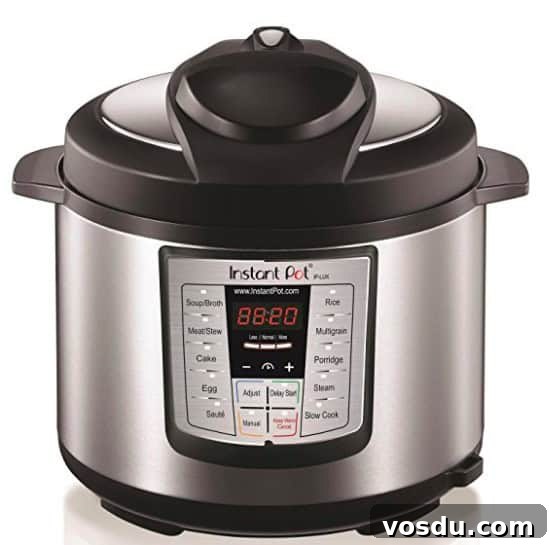
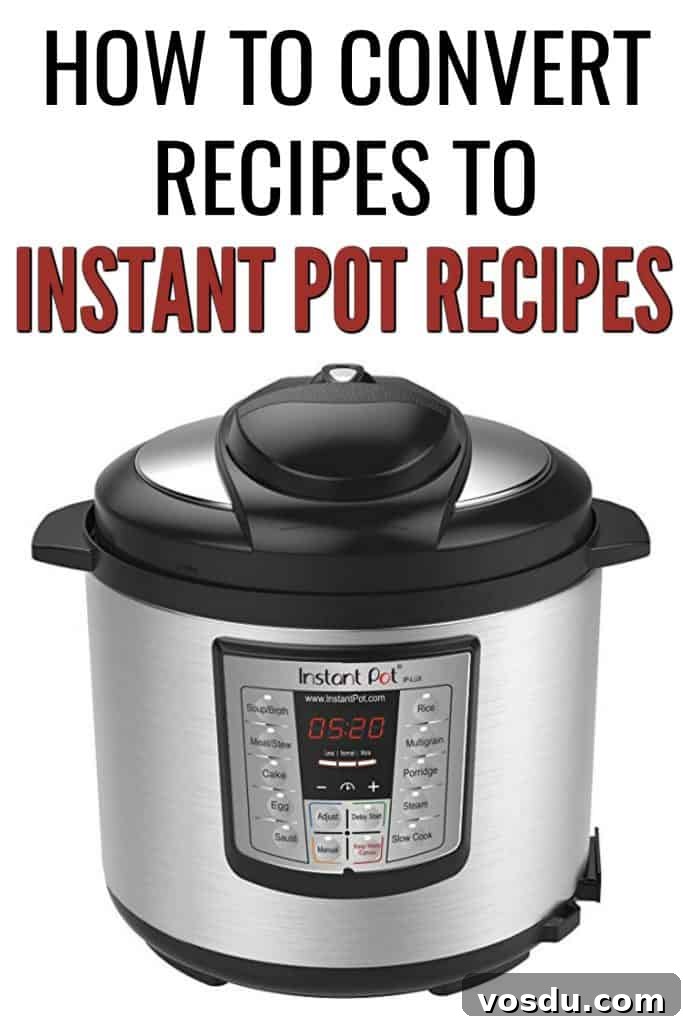
Practice and notes are the best teachers. Keep a record of what you changed and the results so you can refine recipes over time.
If you’re experimenting, start with small batches and adjust liquid and timing as needed. Once you get comfortable, converting recipes becomes fast and intuitive, and you’ll be able to enjoy many of your favorite dishes made in the Instant Pot.