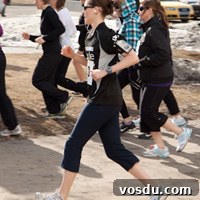

I’ve learned the value of taking it easy after a race, but I haven’t invested much time in planning how to prepare for one. With only four days until my first 10K since recovering from injury, now is the right moment to create a concise, practical plan to ensure my body and mind are ready for race day. The goal is steady performance, injury prevention, and enjoying the experience.
The 10k plan
Long run
I completed one final long run at 8.5 km. Given my recent return from injury, I don’t need to run a full 10K in training; 8.5 km is sufficient to build confidence and endurance without overtaxing my body. During the run I used an 8-minute run / 1-minute walk interval pattern, and it felt great—I finished with plenty of energy and maintained a consistent pace throughout. Keeping the pace steady is a priority for race day.

Hydration belt
I’ll train with my new hydration belt to make sure it’s comfortable and secure. Testing gear before race day prevents surprises—once I confirm the fit and function, I’ll know it won’t distract me during the run. I’ll note how it feels on shorter runs and during the long run so I can decide whether to use it on race day.
(A full review of the belt will follow after I’ve logged more miles with it.)

Reduce strength training and running volume
In the days leading up to the race I’ll scale back heavy strength sessions and intense runs to avoid muscle soreness on race day. I’m no longer working with a coach, so I’ve adjusted my schedule to include lighter workouts and active recovery sessions. The priority is fresh legs and minimized fatigue when the starting gun goes off.
Schedule race prep day
The day before the race will be relaxed and focused on mobility and gentle activity. I plan a light swim for about an hour using a pull buoy to limit leg strain, followed by a short brick workout consisting of a 10-minute easy run and a few brief intervals to keep the legs responsive. Keeping this session short and low-intensity helps reduce stress while maintaining readiness.
Plan playlist
Music can be a huge motivator. I’m putting together a playlist that mixes high-energy electronic and breakbeat tracks—artists like The Prodigy, MSTRKRFT, and Girl Talk—to help sustain momentum. I’ll be careful not to get overly distracted, but a few upbeat songs always help push through tough stretches.
Prepare clothes
I’ll lay out my most comfortable, proven running clothes the night before: blue Nike capris, a familiar lululemon top, and a light MEC sweater for pre-race warmth. No new clothing on race day—avoiding anything untested reduces the risk of chafing or discomfort. Comfort and familiarity are key to feeling confident.

Plan pre-race meal
Goal: carbohydrate + protein + healthy fat.
My planned pre-race breakfast is a balanced smoothie made with one cup of berries, two tablespoons hemp protein powder, chia seeds, and almond milk, accompanied by a banana with almond butter and a slice of carrot cake loaf for added carbohydrates. This combination provides fueling without causing digestive upset.

Plan post-race meal
Goal: replenish all macronutrients and restore vitamins and minerals.
After the race I’ll aim for a nutrient-dense meal: a large salad with almonds, chickpeas, grilled chicken, leftover rice or quinoa, carrots, cucumbers, and plenty of kale. This meal supports recovery with protein, healthy fats, complex carbohydrates, and micronutrients.
I am so ready for this race.
How do you prepare for your races?
Do you have a favorite running outfit?
What artists are on your current workout playlist?