Avocados are one of the most versatile and nutritious fruits you can include in your diet. They’re creamy, flavorful, and surprisingly easy to work with once you know a few simple techniques. Many people treat avocados like a luxury rather than a regular part of their daily produce, but this guide will help you use them confidently in salads, sandwiches, dips and more.
- The Two Main Kinds of Avocados
- Where to Find Avocados
- How to Know If Your Avocado Is Ripe
- How to Speed Up Ripening
- How to Prep an Avocado
- How to Cut Avocado into Perfect Cubes or Slices
- How to Keep Cut Avocados From Turning Brown
- FAQs
- Avocado Recipes
- What to Serve With Avocado
- How to Prepare and Cut Avocados (Recipe)
The Two Main Kinds of Avocados
There are hundreds of avocado varieties, but two types dominate what you’ll find in U.S. markets. Hass avocados are the most common: smaller, with a pebbly skin and a rich, buttery flavor and texture. They are widely grown and available most of the year. The other common type, often labeled as Florida or West Indian varieties, tends to be larger with smooth, bright green skin. These larger avocados can be milder in flavor and less dense in texture.
Where to Find Avocados
Most supermarket avocados come from Mexico, California, or Florida, depending on the season. Shopping at markets with high produce turnover increases your chances of getting ripe, well-handled fruit. If you buy from a local farmer or farmers’ market, asking the grower about the variety can lead to tastier choices and more interesting options.
How to Know If Your Avocado Is Ripe
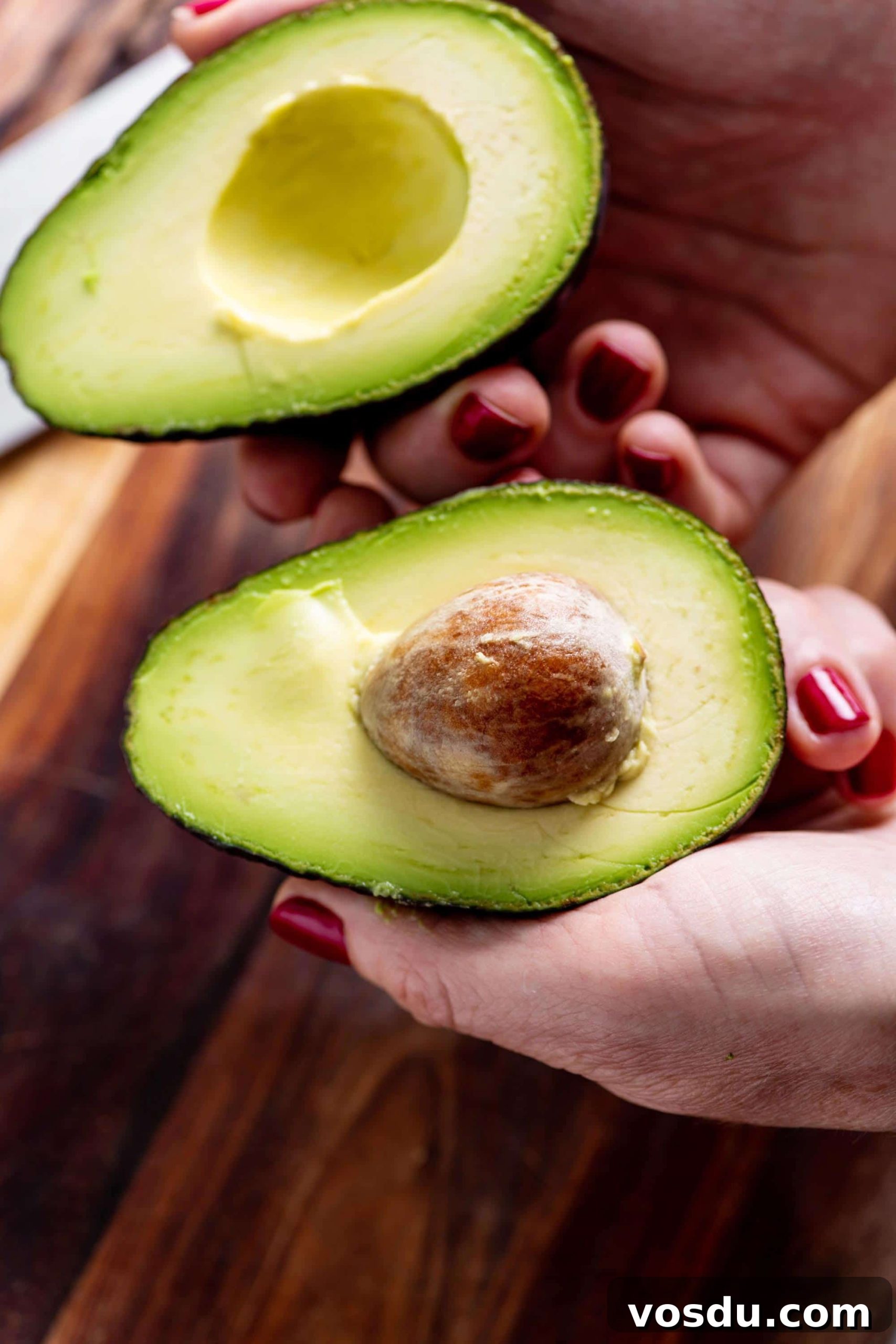
To judge ripeness, start with color: many ripe Hass avocados are a very dark, almost black-green. Next, gently squeeze—ripe avocados will yield to light pressure but shouldn’t feel mushy. Avoid fruit with loose skin, deep soft spots, or signs of decay. For larger varieties, use the same gentle squeeze method: the fruit should give just a little under pressure without feeling collapsed.
How to Speed Up Ripening
Ripen avocados on the counter at room temperature. Once ripe, move them to the refrigerator to slow further softening. To accelerate ripening, put avocados in a brown paper bag with an apple, banana or kiwi—the extra fruit releases ethylene gas, which speeds the process. Check daily to avoid over-ripening.
Microwave Method (Quick Softening)
Microwaving an avocado doesn’t truly ripen it but can soften it when you need a quick solution. Halve and pit the avocado, place cut-side down on a microwave-safe plate, and heat in 30–45 second intervals until softer. Note that this may slightly cook the flesh and change the flavor and texture.
Oven Method (Quick Softening)
Like the microwave, oven heating softens rather than ripens. Wrap a whole avocado in aluminum foil and warm at 200°F (about 95°C) for 10–15 minutes, checking periodically until slightly soft. Let cool before cutting.
How to Prep an Avocado
- Cut the avocado in half: Hold the avocado steady in your non-dominant hand. Using a very sharp knife, slice lengthwise around the seed from stem to tip. Twist the two halves apart.
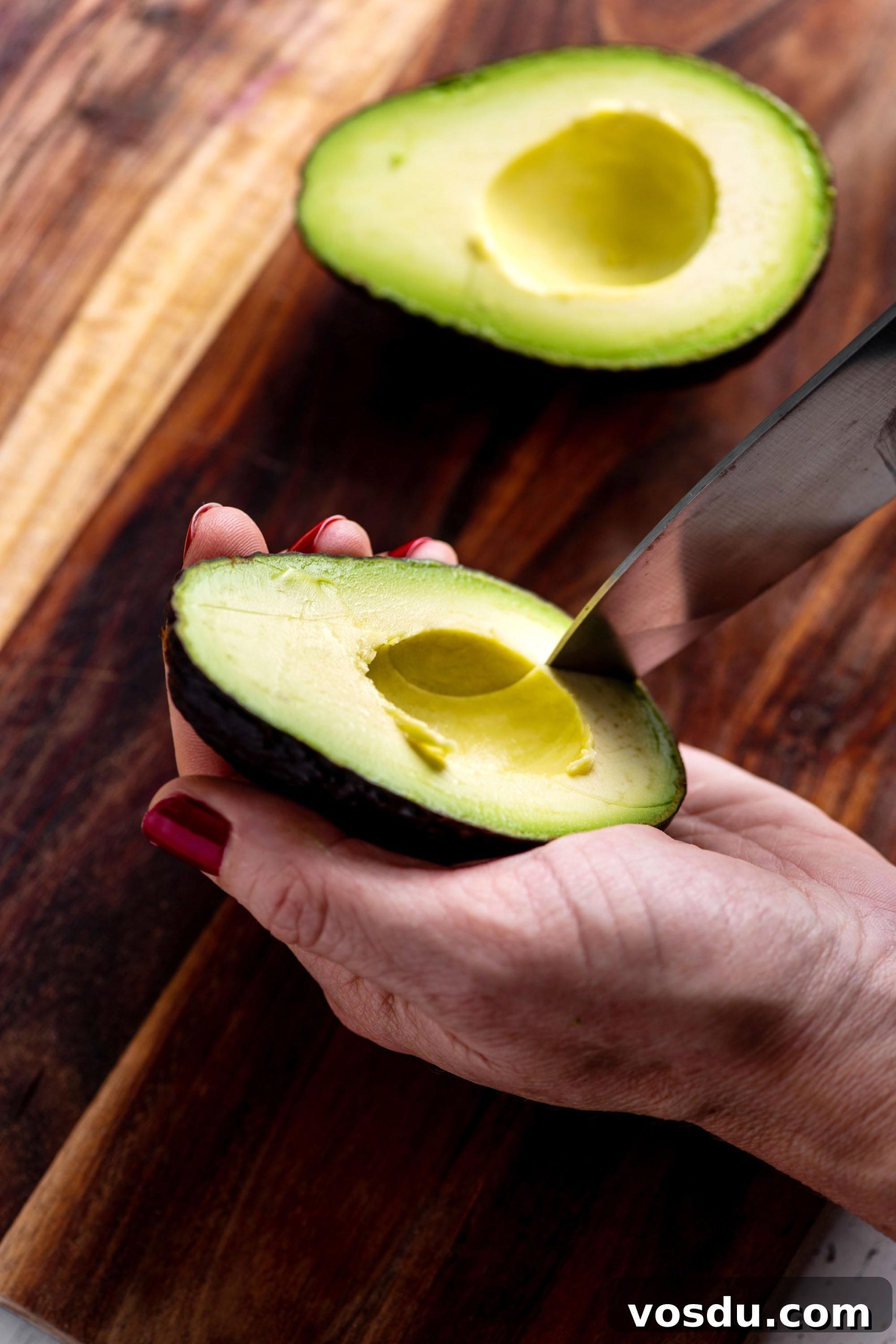
- Remove the pit: The safest option is to scoop the pit out with a spoon. If you are comfortable with knife skills, you can carefully embed the knife in the pit, twist to loosen it, and lift it away. Always work slowly and keep your fingers clear of the blade.
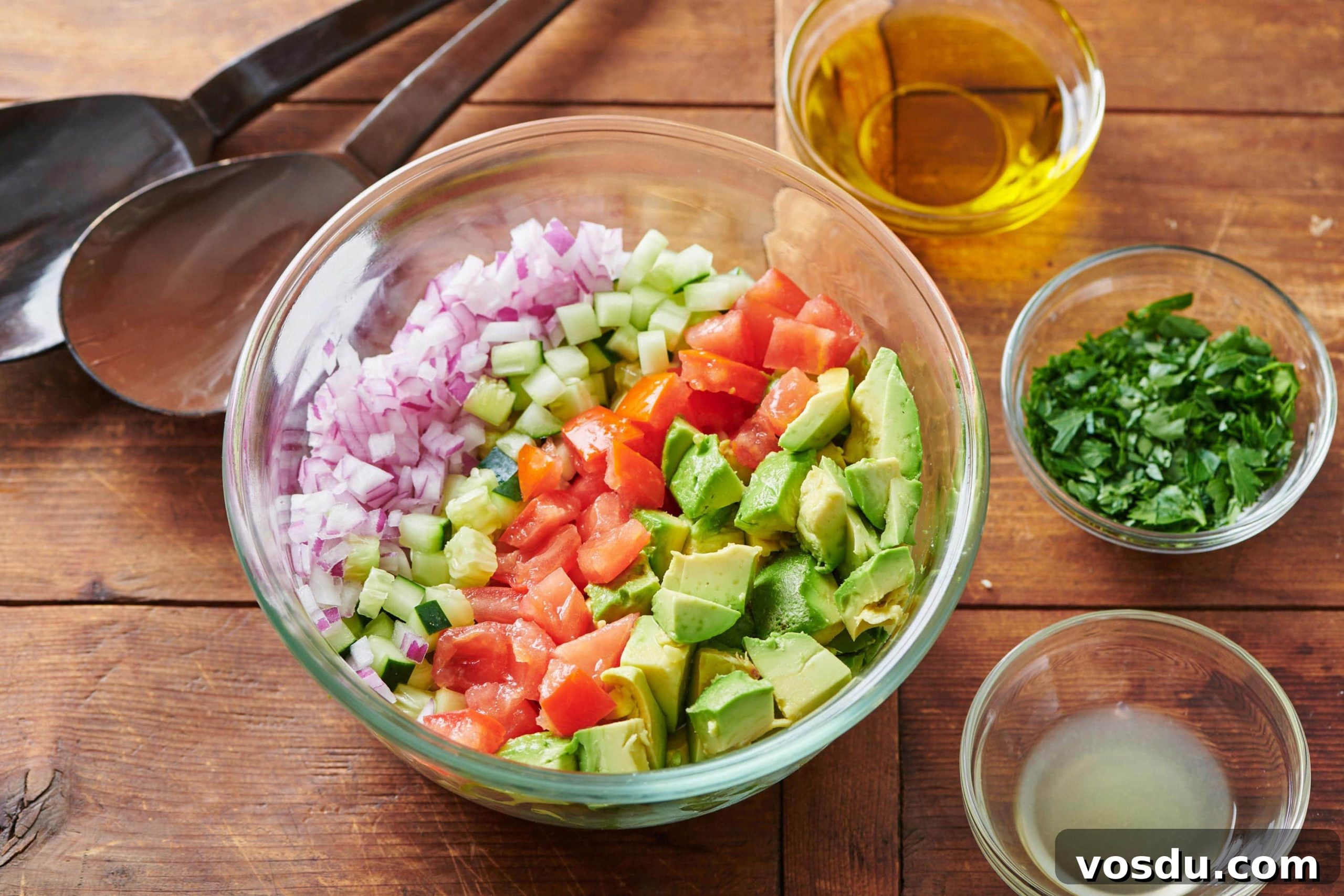
- Scoop or slice: Scoop the flesh into a bowl for mashed preparations, or keep the halves intact for slicing or cubing.
How to Cut Avocado into Perfect Cubes or Slices
There are two reliable ways to cut clean cubes or slices from avocado halves.
Slice or Cube in the Shell
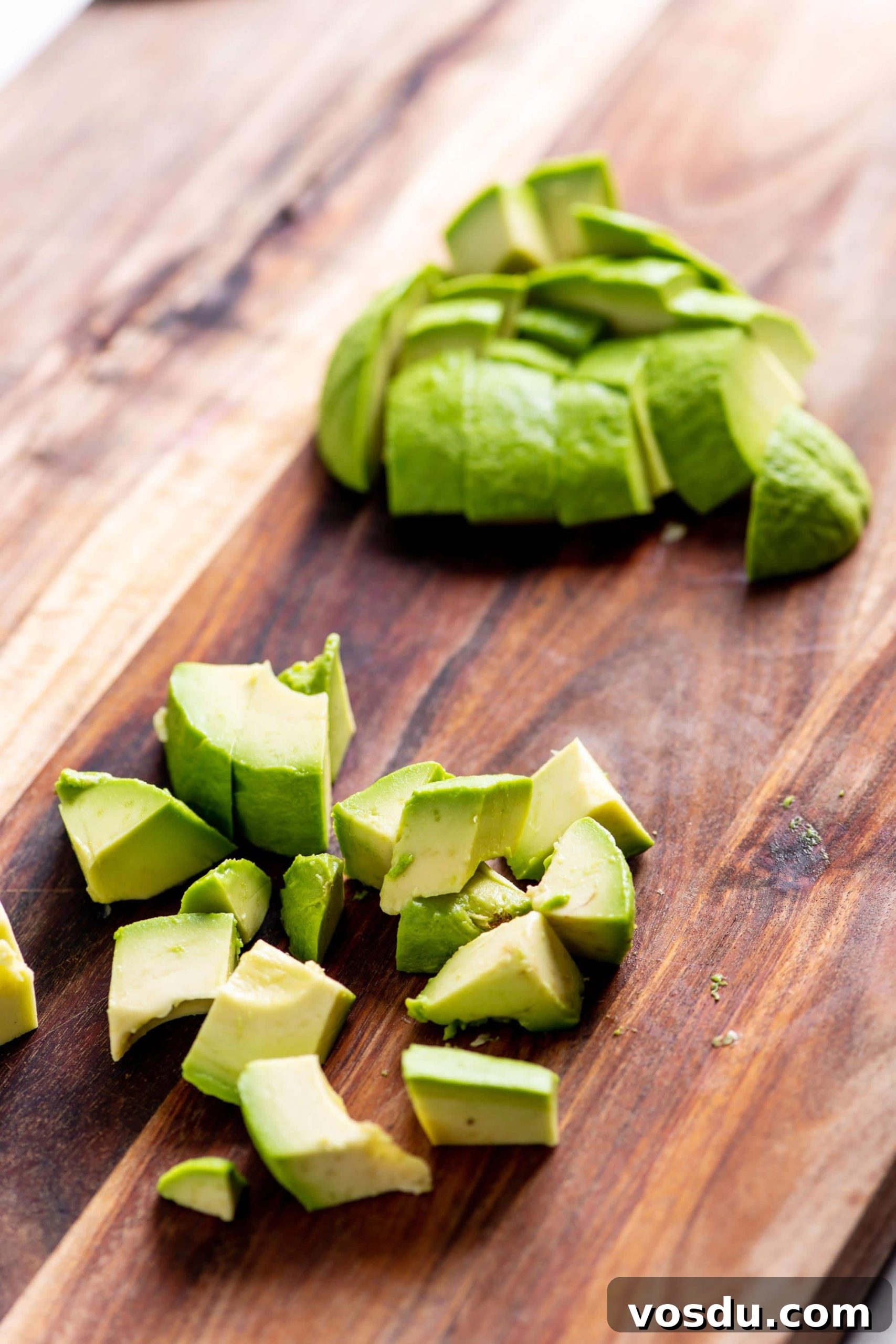
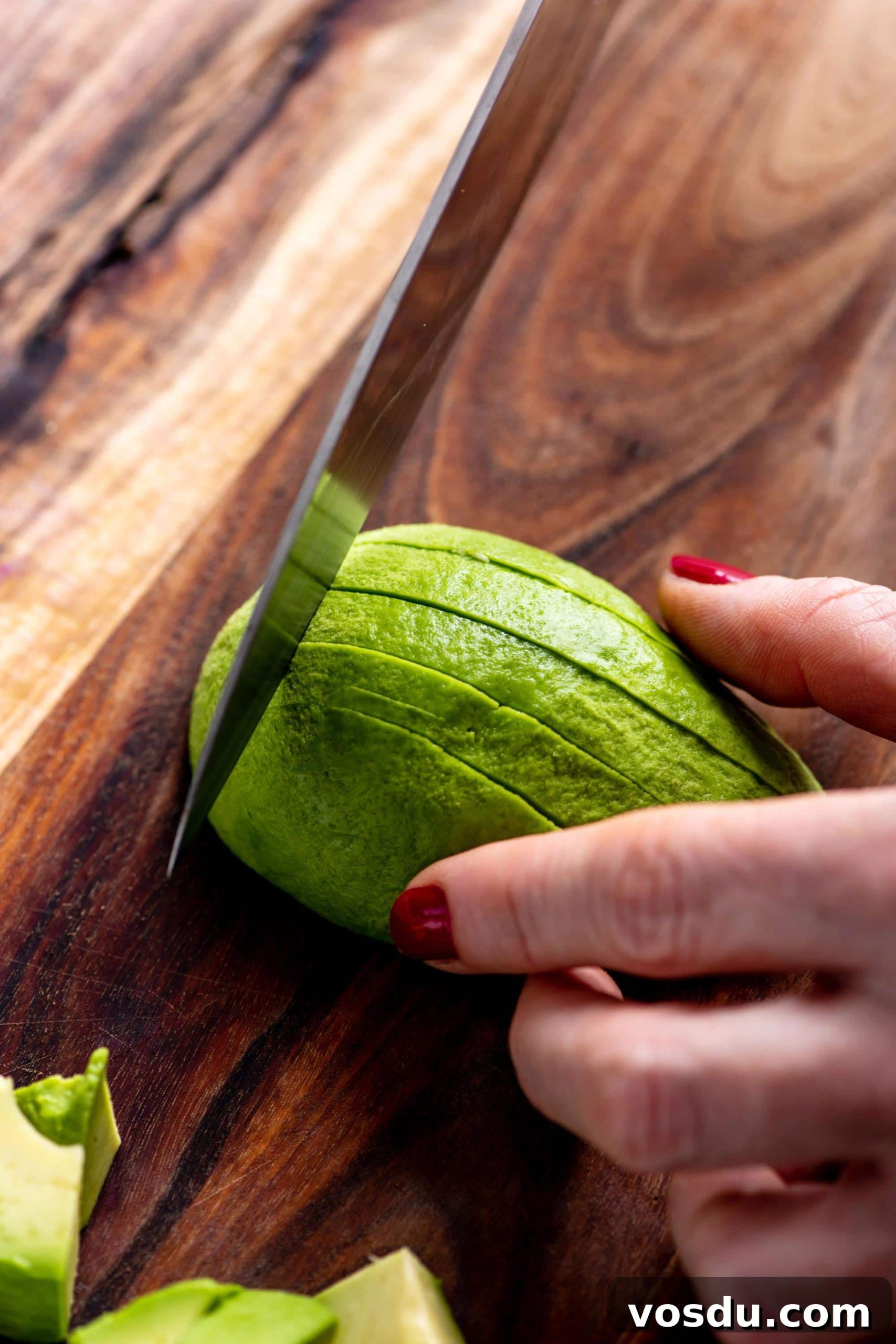
Before removing the flesh, use a knife to score the avocado flesh inside the skin in a grid pattern for cubes or parallel lines for slices. Scoop the pieces out with a spoon. This method is quick and minimizes contact with the knife when shaping the flesh.
Slice on a Cutting Board
For the neatest presentation, remove the skin and place the avocado half flesh-side down on a cutting board. Peel off the skin carefully in pieces if necessary, then slice or cube directly on the board for even, tidy pieces.
How to Keep Cut Avocados From Turning Brown
Avocado flesh browns quickly when exposed to air due to an enzyme reaction. To slow browning:
- Keep the pit in the unused half and store it whole in the shell if possible.
- Press plastic wrap directly onto exposed flesh, or store in an airtight container.
- Brush the cut surface with olive oil, or a light coating of lemon or lime juice—the acid slows oxidation.
- Place cut avocado on a bed of chopped onion in a sealed container; the onion’s sulfur compounds can help slow browning.
FAQs
Cut away any brown or fibrous sections and use the remaining green flesh. Such defects often result from handling damage or exposure to cold temperatures during transport or storage.
Yes. Botanically, an avocado is a fruit—more specifically, it’s classified as a berry because it has a single seed surrounded by fleshy fruit.
Yes. Avocados provide healthy monounsaturated fats, fiber, vitamins and minerals. They’re cholesterol-free and low in sodium. In moderation, they make a nutritious addition to many meals.
Hass is the most popular because of its creamy texture and rich flavor, but “best” depends on your preference. Larger smooth-skinned varieties can be milder and offer more flesh per fruit.
Yellowish flesh usually indicates the avocado is slightly overripe. It’s safe to eat, but avoid areas that are overly mushy or have brown spots.
Avocado Recipes
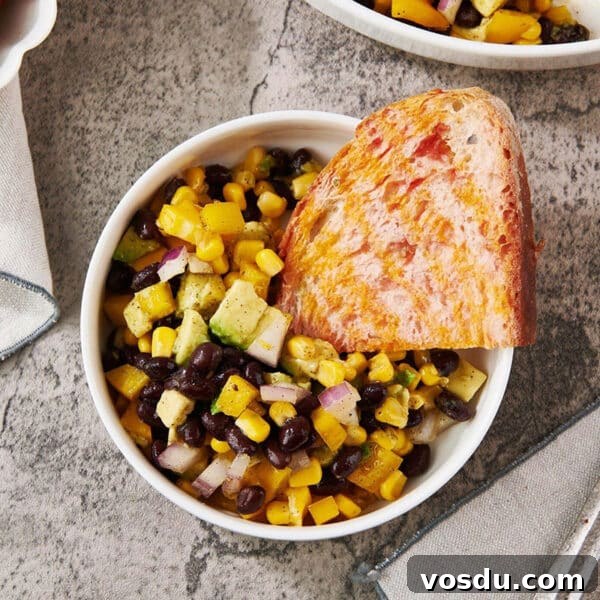
Cowboy Caviar
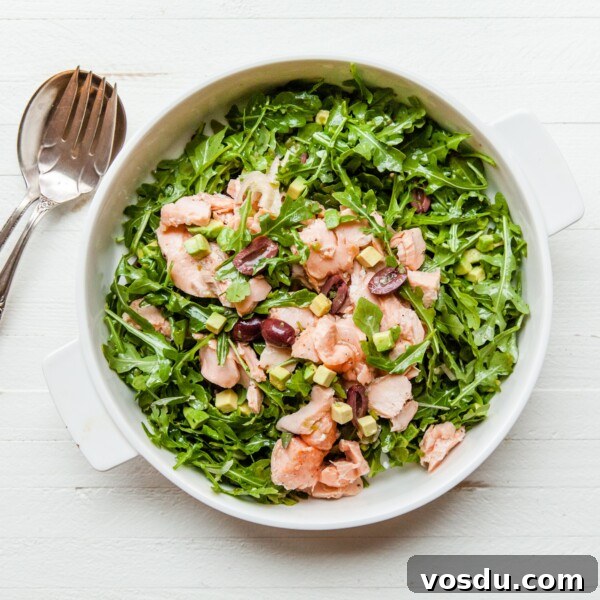
Salmon, Arugula, and Avocado Salad
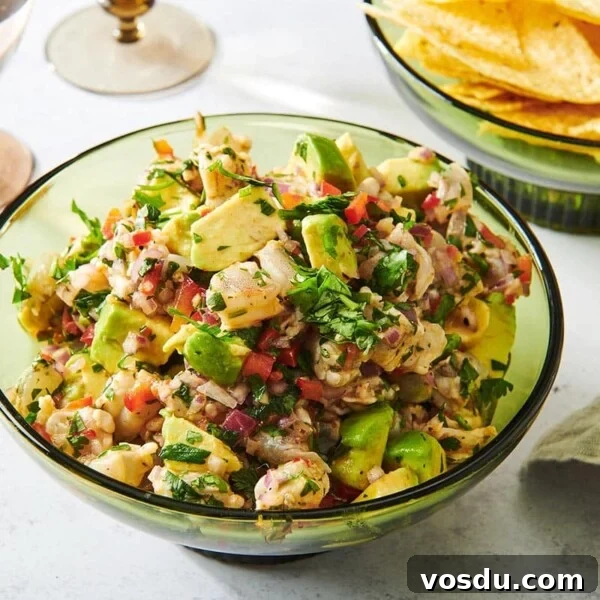
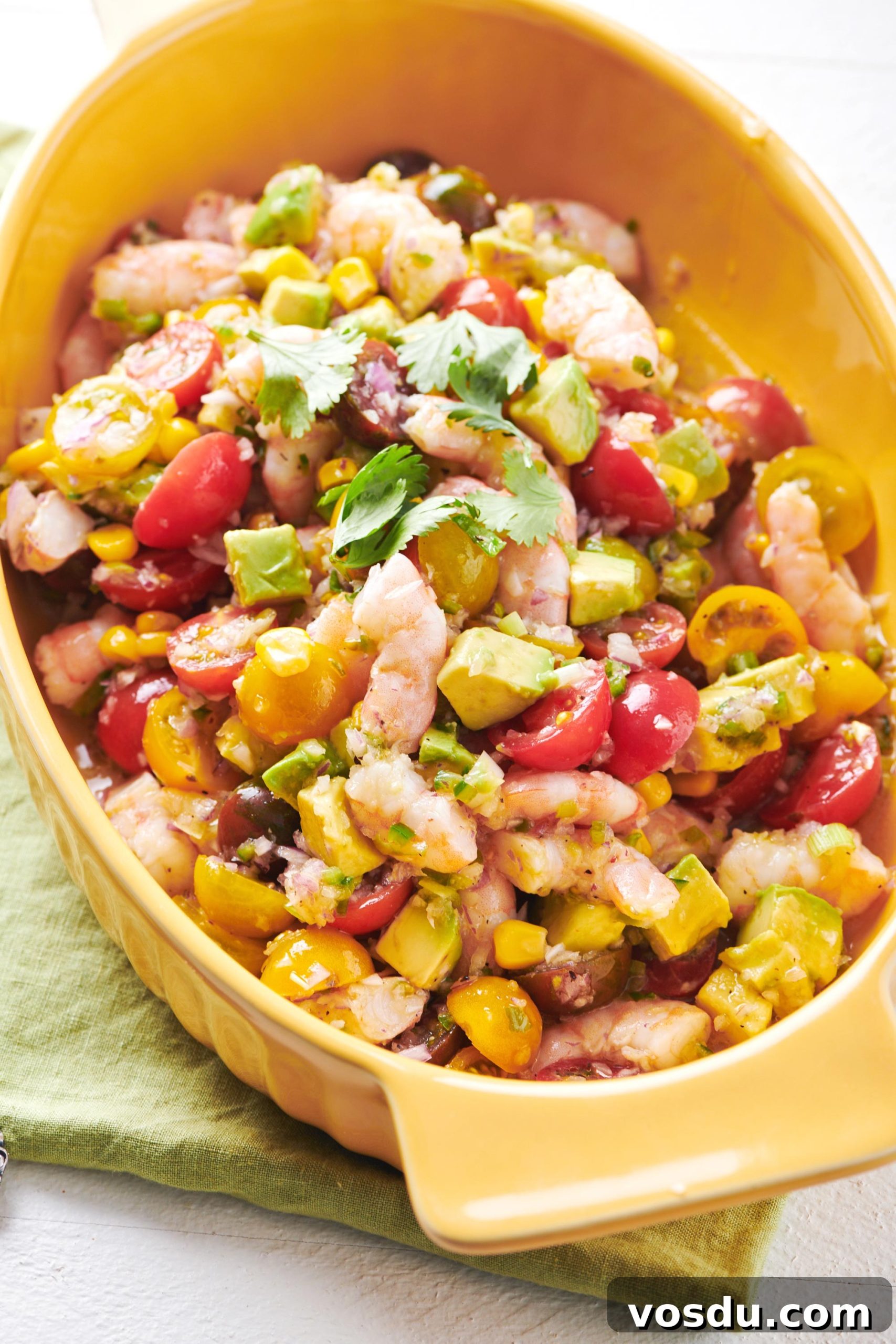
Shrimp Ceviche
What to Serve With Avocado
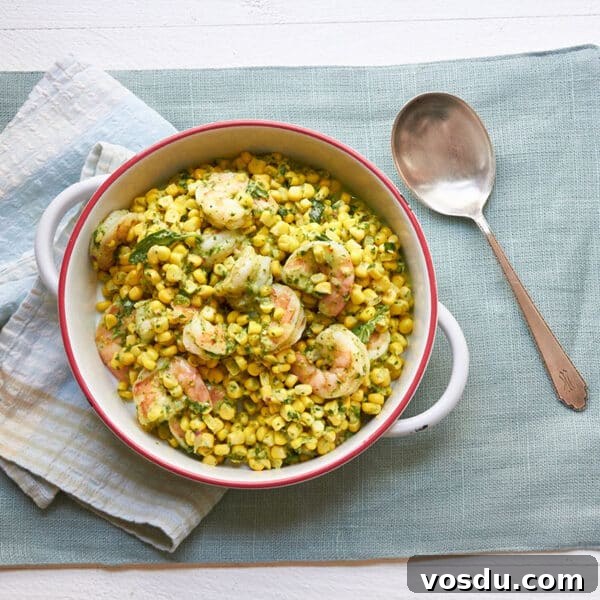
Shrimp and Corn Salad
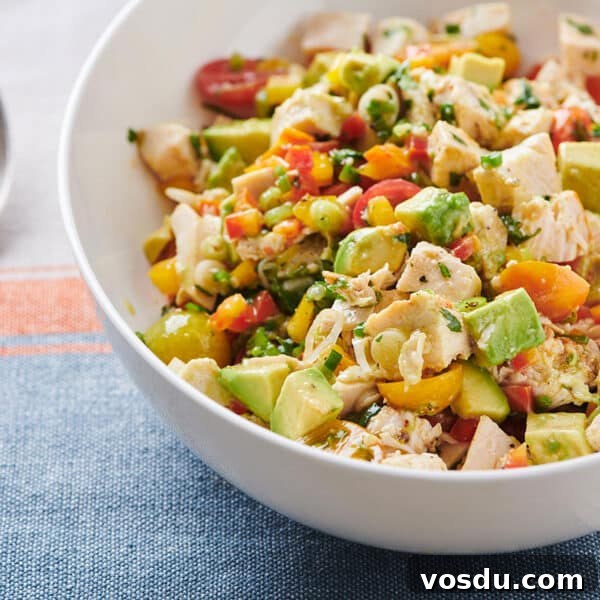
Avocado Chicken Salad
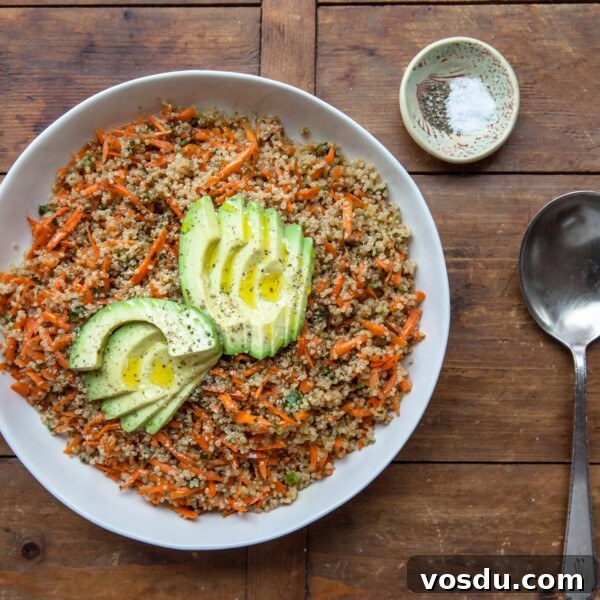
Sesame-Honey Quinoa and Carrot Salad with Sliced Avocado
How to Prepare and Cut Avocados
Avocados are delicious and make many dishes more satisfying. This quick guide explains how to prepare avocados safely, how to slice or cube them, and the best ways to store leftovers.
Ingredients
- 1 Avocado
- Olive oil, or lemon or lime juice (optional, to prevent browning)
Instructions
- Hold the avocado steady and cut lengthwise around the pit with a very sharp knife. Twist the halves apart.
- Remove the pit by scooping with a spoon or, if confident and careful, by embedding the knife and twisting the pit out. Always take care to keep your hands away from the blade.
- Slice or cube as desired. If not using immediately, brush the exposed flesh with olive oil or a little lemon or lime juice to slow browning.
Notes
If you scoop out the pit with a spoon you may lose a small amount of flesh, but it’s the safest method for most home cooks. To store cut avocado, press plastic wrap directly against the flesh in an airtight container, place cut-side down on chopped onion, or coat with oil or citrus to slow oxidation.
Nutrition (approximate)
Calories: 322 kcal, Carbohydrates: 17 g, Protein: 4 g, Fat: 30 g, Fiber: 13 g, Potassium: 975 mg.