Buying a bread machine is exciting, and it often brings up two very common worries. On one hand, people fear they’ll eat too much homemade bread because the aroma and fresh taste are irresistible. On the other hand, people worry that they won’t be able to finish a loaf before it goes stale or molds, wasting ingredients and effort.
Both concerns are normal. Below I’ll walk you through why neither is a reason to avoid making bread at home and share practical tips for enjoying your bread machine without waste.
Fear One – I’ll go wild and eat way too much bread.
It’s true that the first few loaves will feel special. Fresh bread straight from the machine is a treat: the smell, the warm texture, and the contrast with mass-produced supermarket loaves all make it tempting. Expect a short period where you and your household indulge a bit more than usual.
That phase passes. When homemade bread becomes a regular part of your routine, it quickly loses its novelty. You’ll still appreciate it—and likely prefer it—but you won’t feel compelled to eat it constantly. A few ways to manage consumption while enjoying fresh bread:
- Make smaller loaves or use the machine’s half-loaf setting if available. Smaller loaves are less wasteful and let you experiment with different recipes more often.
- Slice and freeze portions immediately after cooling so you can take out just what you need. This prevents temptation to eat the whole loaf at once.
- Balance your meals: use your homemade bread as an ingredient—sandwiches, toast, or croutons—rather than as the main course every time.
- Try different recipes like whole grain, seeded, or lower-calorie options to vary texture and richness so the bread feels like part of a balanced diet.
Fear Two – The bread will go bad before I can eat it all.
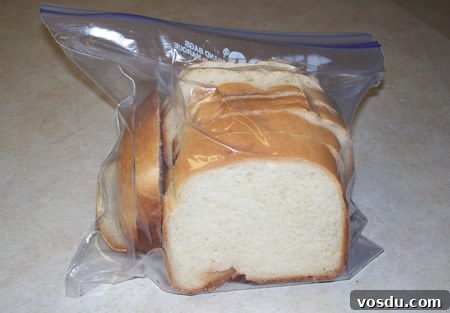
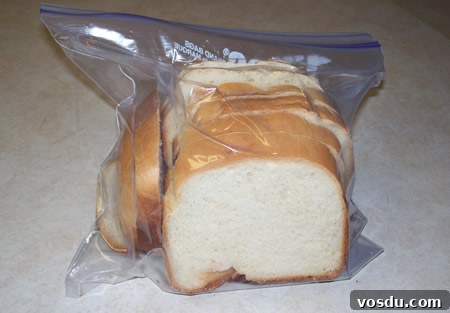
Storage is easy and solves this worry. The most reliable method is to slice the loaf once it has fully cooled, then freeze the slices. Place the slices in a resealable freezer bag, remove excess air, and store in the freezer. When you need a piece, remove it from the bag and toast or warm it directly from frozen.
Toasting works very well as a quick thaw-and-heat method. Most toasters will both thaw and toast a frozen slice in a single cycle; some toasters require a second pass depending on thickness and moisture content. Alternatively, you can warm slices briefly in an oven or a skillet if you prefer a softer crust.
Additional storage and use tips:
- Label freezer bags with the date so you can rotate supplies.
- If you bake often, consider freezing smaller portions (single slices or pairs) to reduce waste.
- Stale or less-than-perfect slices are great for breadcrumbs, croutons, bread pudding, or French toast—no need to throw them away.
- For longer freezer life and better texture, use airtight packaging or vacuum seal bags to minimize freezer burn.
Making bread at home with a bread machine is both practical and rewarding. The initial excitement will settle into a pleasant routine, and with simple storage habits you can avoid waste while enjoying fresh bread whenever you like. Whether you’re a newcomer to bread machines or revisiting home baking, small adjustments—smaller loaves, immediate slicing and freezing, and repurposing extras—keep things manageable and delicious.
In short: enjoy the aroma, savor the flavor, and use simple storage methods to make homemade bread fit your lifestyle without overindulgence or waste.