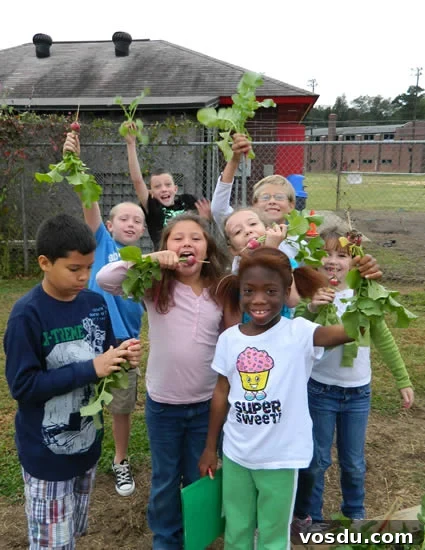
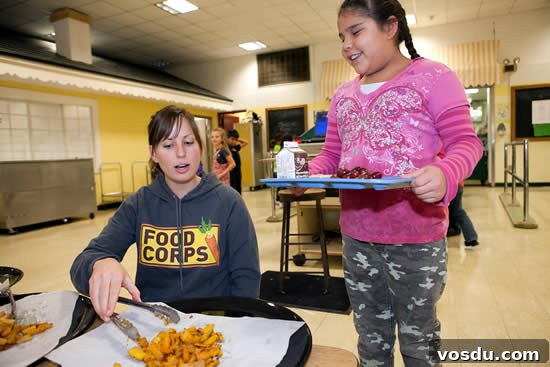
FoodCorps is a nationwide organization that connects children with wholesome food and supports their long-term health. FoodCorps places leaders in under-resourced communities for a year of public service, where they teach hands-on food education, establish and maintain school gardens, and collaborate with school nutrition teams to bring high-quality local food into cafeterias. Their work emphasizes whole, minimally processed foods and helps children develop enthusiasm for fruits and vegetables.
This year, FoodCorps introduced “FoodCorps Fellows,” veterans of the program who mentor and support current service members. FoodCorps Fellow Rachel Spencer works in Arkansas, offering guidance based on her prior year of service to current service member Ally Mrachek, who teaches garden-based lessons and partners with school nutrition directors to introduce healthy local items in school meals. October Unprocessed asked Rachel and Ally to interview each other about what motivates them to work with children and food, and why they believe in the restorative power of fresh vegetables like kale.
You can also find FoodCorps on social media.
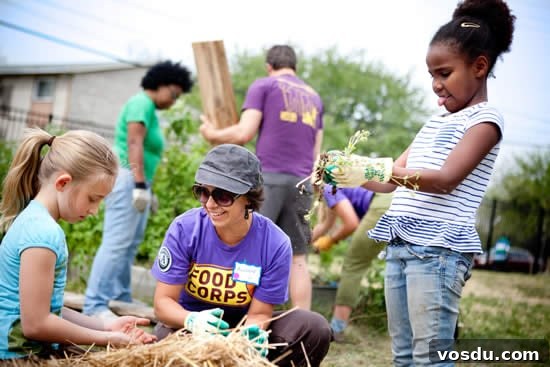
Rachel: How does your background in science, nutrition, and health inform your service with FoodCorps?
Ally: Everyone deserves access to food knowledge and good nutrition, but that access is not equal. FoodCorps’ philosophy and program goals reflect my views on health and on bridging the gap between communities and healthy food. When children learn about and engage with healthy food and have consistent access to it, they are more likely to grow up eating healthfully and making sustainable food choices. FoodCorps emphasizes local farms and school gardens as sources of this food, which strengthens community health when farmers can earn stable incomes supported by local consumers.
Rachel: Why FoodCorps? Why choose a year of service instead of a traditional job?
Ally: I deeply believe in FoodCorps’ mission and the impact their programs have. For me, the cause is worth relocating, living on a modest stipend, and pausing a conventional career path for a year. Food justice efforts that reconnect people to whole foods are gaining momentum nationwide, and joining that movement helps make these interventions more common.
Beyond that, I wanted to work outdoors and use my hands more. The experiences and relationships I’m building will make me a better dietitian and counselor. I plan to continue serving food-insecure and limited-resource communities after this year. Working directly with schools and community members while living on a budget helps me better understand the barriers these communities face when trying to eat well.
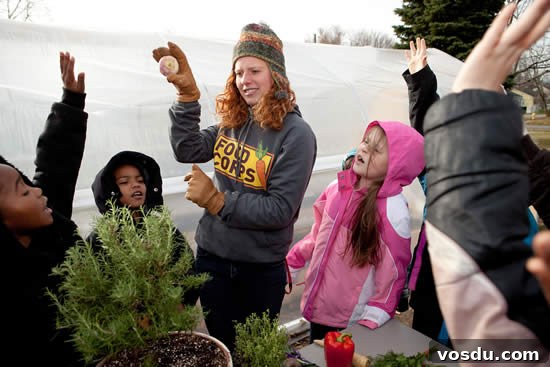
Ally: What do you think kids respond to best when trying new, healthy foods?
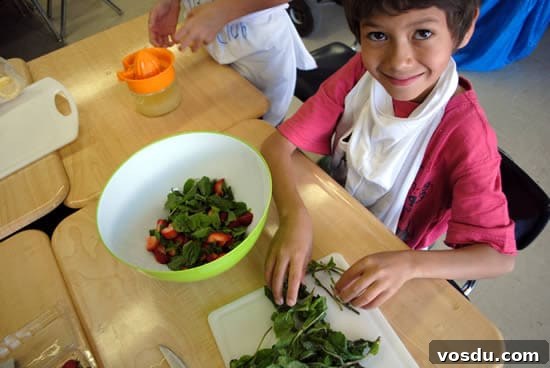
Rachel: From gardening and cooking with children regularly, I found something consistent: nearly every student wanted to help prepare snacks using our freshly harvested produce. Their enthusiasm led me to start a “Garden Chef” summer camp. Mornings we worked in the garden to harvest ingredients, and afternoons we cooked together in the classroom. Across weeklong sessions we made dishes like salsa, quiche, risotto, sweet potato fries, and kale salad, and invited families to a finale feast.
Parents were often surprised to see their children successfully prepare such varied recipes. The initial “ick factor” frequently turned to curiosity and pride when kids took ownership of what they’d made. They were much more willing to try new foods after participating in the process. If I had one message about kids and cooking, it would be: give children the credit they deserve—for their willingness to try new foods and their eagerness to help prepare them.
Rachel: Healthy eating is a habit, and habits can be difficult to form. How do you recommend people begin making positive changes?
Ally: Eating habits can be tough to change because they connect to emotions, upbringing, culture, and personal food values. My advice is to start small. Set achievable goals—replace one or two highly processed items in your diet with healthier alternatives for a month. Once those swaps become routine, pick another change. Small, attainable steps build momentum and reduce the feeling of deprivation, making long-term lifestyle changes more realistic.
Ally: Do you believe engaging people in the process of cooking leads to healthier eating?
Rachel: Absolutely. Our culture often frames cooking as a chore, something to avoid, but cooking reconnects us with natural rhythms and food’s true nature. Teaching children to cook demonstrates patience and care for ingredients, and it helps them develop a lasting appreciation for preparing and eating real food.
Rachel: So you think enjoying and appreciating food can lead to healthier habits. Why is that? What’s your most memorable garden experience?
Ally: In garden club we pair a simple cooking activity with a “quick write” where students describe the snack using their five senses. Their descriptive vocabularies improve and I love hearing how they observe taste, smell, sight, texture, and sound. This practice builds mindful eating—even if a child doesn’t like something, they learn to describe it respectfully. We encourage, never force, tasting; keeping the experience stress-free matters.
When students plant, tend, and then taste the produce they helped grow, they’re far more likely to eat it later. They learn to listen to their bodies and become confident eaters. Those skills promote healthier habits and healthier children. Adults benefit from mindful eating too—using the five senses and recognizing hunger and fullness makes meals more enjoyable and appreciated.
Ally: What has been your most encouraging moment working with kids so far?
Rachel: There have been many. After a salad tasting, one student told me they used to think fast-food places made the best food in town, but now they knew garden food was the best. Another said they hated store-bought broccoli but loved garden broccoli, and even thought garden beets might be appealing. Parents often report that recipes their children brought home introduced new ways to prepare vegetables—dishes families had never tried before became favorites. One student proudly told me she made pesto from our class recipe, though her grandfather ate most of it before she could enjoy it. Hearing that children bring what they learn into their homes and influence family meals is when real change starts to happen.
Ally Mrachek is a Registered Dietitian, Master Composter, and FoodCorps service member. She holds a Master of Science in Food Science and Human Nutrition from Colorado State University and relocated from Seattle, WA to Fayetteville, AR to serve students, local farmers, and the wider community through a partnership with the public school district.
Rachel Spencer is from Fayetteville, GA and earned a Bachelor of Science in Environmental Health from the University of Georgia. She served with FoodCorps at Marshall High School in Marshall, AR, and now continues her work as a fellow at the National Center for Appropriate Technology in Fayetteville, AR.