Want to learn how to take more appealing food photos—maybe even better than Martha Stewart’s?
Food blogging is different from many other kinds of photography because you must communicate smell, texture and flavor through a screen. Without being able to taste or smell a dish, the photograph must make a reader want to try the recipe. We eat with our eyes first, so photos that don’t look appetizing will lose readers fast.
If you arrive at blogging without formal photography experience, learning to make food look irresistible can feel overwhelming. Early on I focused on recipes and writing more than images, and the difference showed. The good news: with practice and a few simple techniques you can make your photos much stronger.
Before the do’s, here are common pitfalls to avoid.
Top 5 Food Photography Problems
1) Using the flash
Avoid using an on-camera flash on food. Flash creates harsh highlights and deep shadows that make food look shiny or plasticky. Even when flash can be used correctly, it’s easy to make a dish look unappetizing if the light is uneven or too bright.
2) Getting too close
Don’t get so close that the subject becomes unrecognizable. Tight close-ups can make it hard to tell what the dish is and remove useful context. Backing out a bit helps the viewer immediately understand what they’re looking at.
3) Sloppy plating
You don’t need to be a food stylist, but clean presentation matters. Wipe away spills, remove stray crumbs, and arrange food so it looks intentional. Messy plates can make a recipe seem unappealing; simple, tidy styling makes dishes look approachable.
4) Shooting in low light
While modern cameras and editing tools can rescue some low-light shots, very dark photos can’t always be fixed. If light is poor, consider rescheduling the shoot for a brighter time. Learning to use reflectors and adjust camera settings helps, but better light is the most reliable fix.
5) Only shooting in one orientation
Shoot both landscape and portrait. Different platforms and layouts require different orientations, and it’s frustrating to discover months later that you don’t have the version you need. Give yourself options by capturing each scene both ways.
Now for the positive side—practical steps that will noticeably improve your food photos. Much of what follows comes from practical guides written for bloggers and food photographers.
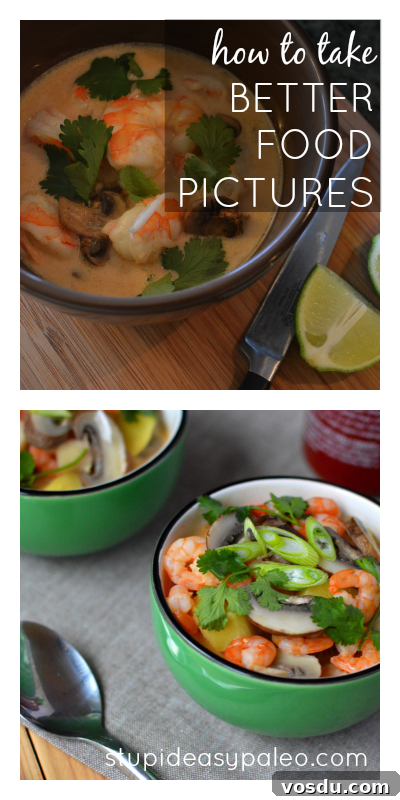
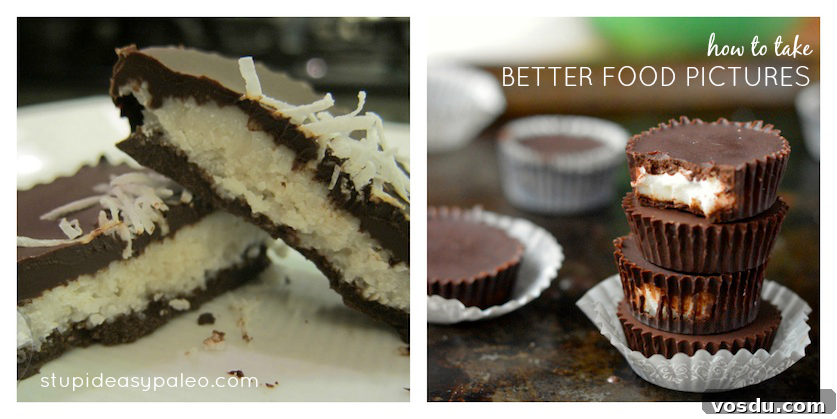
Here are some before-and-after examples that illustrate the improvements you can achieve with a few adjustments:
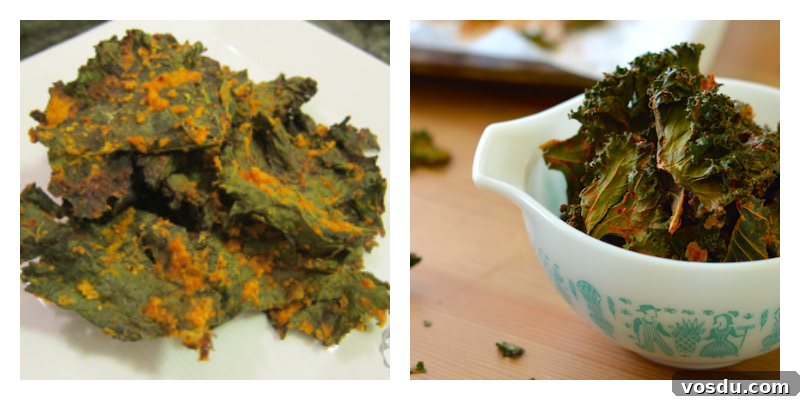
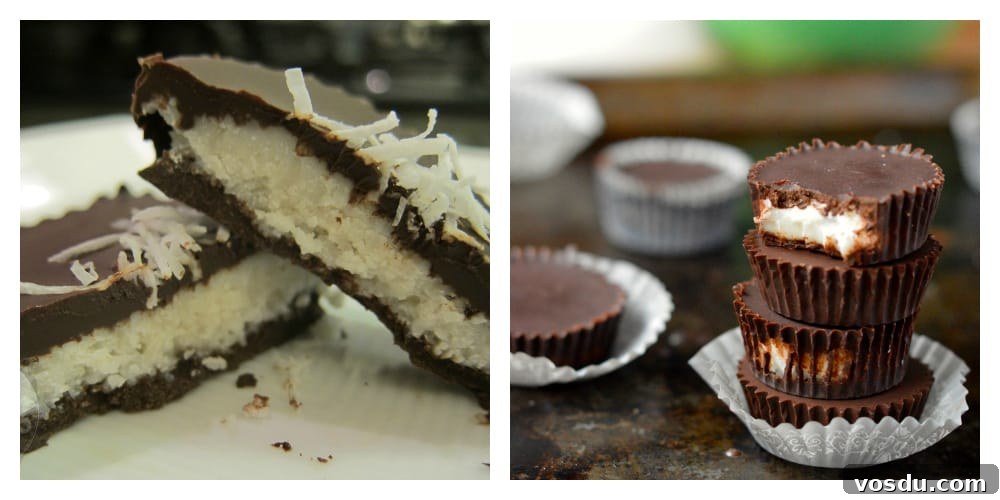
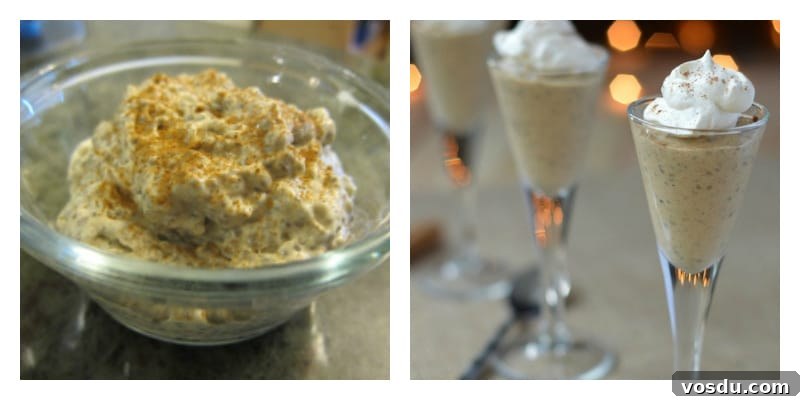
Noticeable improvement, right?
5 Tips for Better Food Photography
1) Practice
The most reliable way to improve is to shoot often. Experiment with composition, camera settings and styling. The more you practice, the better you’ll get at turning photographic ideas into appetizing images.
2) Invest in a basic DSLR or mirrorless camera
Phone cameras and compact point-and-shoots can perform well, but an entry-level DSLR or mirrorless body gives greater control over aperture, shutter speed and ISO. Those controls help you work with available light and achieve a shallow depth of field when desired. A standard kit lens (such as 18–55mm) covers most needs; a 50mm f/1.8 is an inexpensive option for pleasing background blur.
3) Learn to love natural light
Natural light is often the most flattering for food. Aim to shoot when daylight is available—midday near a large window often works well. Side or back lighting usually makes texture and shape pop; overhead light can be effective for flat-lay shots. If you must use artificial light, practice to make it look natural and consistent.
4) Use simple props to fill space
When you step back from the subject, you’ll have negative space to fill. Simple props—wooden boards, napkins, utensils, or well-worn trays—add context without distracting from the food. Negative space can also be powerful, so balance props and empty areas depending on the story you want the photo to tell.
5) Fill the plate
Plates and bowls look best when they appear generously filled. Using smaller dishes can create the illusion of abundance without wasting food. A nearly empty large plate often looks awkward; smaller plates help compositions feel balanced and make it easier to include multiple items in a single frame.
These tips cover foundational practices that will quickly elevate your food photography. There are many more techniques to explore, from styling to advanced lighting, but mastering these basics will make a significant difference. Now get out there and start shooting!