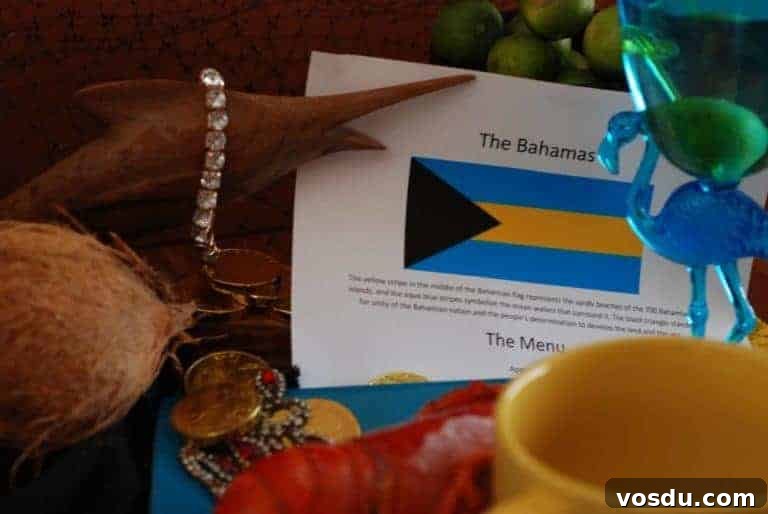
The name “Bahamas” comes from the Spanish phrase baja mar, meaning “shallow water” or “low tide.” Originally inhabited by the Lucayan people, the islands were the first landfall for Christopher Columbus in 1492. The Spanish did not establish long-term settlements here, though many Lucayans were taken to Hispaniola. The islands stayed sparsely populated until English settlers arrived on Eleuthera in 1648.
The Bahamas is an island nation made up of more than 700 islands, cays and islets, about 30 of which are inhabited. Geographically the Bahamas lie east of the Florida Keys, north of Cuba and Hispaniola, and northwest of the Turks and Caicos Islands. Although often associated with the Caribbean, the Bahamas are in the Atlantic Ocean. In 1718 the islands became a British Crown Colony as Britain worked to suppress piracy—an era that once drew notorious pirates like Blackbeard.
After the American Revolution, thousands of British loyalists relocated to the Bahamas, bringing enslaved Africans and establishing cotton plantations. Today roughly 85 percent of the population traces its ancestry to Africa. Slavery was abolished in 1834; many formerly enslaved people remained and took up trades such as fishing and shipbuilding. The Bahamas gained independence peacefully in 1973 while retaining Queen Elizabeth II as head of state; Independence Day is celebrated each July 10. A ceremonial reminder of this heritage is the Royal Bahamas Police Force Band’s performance of the “changing of the guards” at Government House in Nassau every two weeks.
Junkanoo, the islands’ best-known festival, grew out of traditions during the slavery era when enslaved people were given several days off around Christmas to celebrate. Beginning on December 26, Junkanoo explodes into the streets with parades, music, elaborate costumes and contagious energy—often compared to Mardi Gras in New Orleans or Carnival in Rio de Janeiro.
Traditional knowledge of bush medicine is another enduring part of Bahamian culture. Enslaved West Africans brought a deep familiarity with local and African plants; today more than 100 native plants are recognized for reliable medicinal uses.
Tourism is the Bahamas’ primary economic driver. The islands are famous for powdery sandy beaches, clear turquoise waters, abundant fishing and stunning sunsets. Visitors arriving in Nassau are often greeted with music, dancers and a welcome rum punch—a warm introduction to the islands’ festive spirit.
Music is central to Bahamian identity. African rhythms, calypso, English folk influences and the uniquely Bahamian Goombay—named for a goatskin drum that provides its distinctive rolling beat—shape the soundscape. Rake-and-scrape bands that play Goombay-style music date back to slavery. Even neighbors in Key West, Florida, honor this musical tradition with festivals celebrating Bahamian culture.
Bahamian cuisine reflects English influences, West African heritage and the bounty of island life. The food features fresh fish and shellfish—lobster, shrimp, crab and conch—a sweet, tender mollusk prized across the islands. Tropical fruits, rice, peas and potatoes are common staples. Typical seasonings include chilies, lime, cilantro, garlic, allspice and cinnamon, while rum and coconut milk appear in many dishes and drinks. With these ingredients, Bahamian cooks create vibrant, flavor-forward meals.
Join me in celebrating the flavors and culture of the Bahamas:
The Menu
Appetizer
Bahamian Salad
Seasoned with Old Sour
Soup
Chicken Souse
Served with
Johnny Cake
Main Course
Lobster Curry
Served with
Pigeon Peas and Rice
Dessert
Banana Cream Pie
We set the table in the colors of the Bahamian flag—blue, yellow and black—to represent the sea, the sun and the unity of the nation. For the centerpiece we chose a playful pirate’s treasure and a hand-carved blue marlin as a nod to the national fish. Flamingo glasses held our Bahama Mama cocktails, recalling the national bird. With calypso music playing, we enjoyed a memorable meal with guests from Texas.
The appetizer ideally features conch (pronounced “konk”), but when fresh conch wasn’t available I used canned “California Girl” imitation octopus made from calamari. The texture and flavor were excellent when brightened with Old Sour, a hot and sour pepper sauce that added the right kick.
Next came chicken souse served with Johnny cakes. Chicken souse (pronounced “sow-se”) doubles as a folk cure for hangovers and is bright and tangy, made with lots of lime, allspice and chili peppers. Bahamian food often favors heat, but you can adjust the spice level. Johnny cakes—somewhere between cornbread and a sweet biscuit—are perfect for sopping up the savory broth.
For the main course we enjoyed lobster curry in a creamy, coconut-infused sauce. The spiny lobster found around the islands has a sweet, rich flavor; the use of curry and coconut reflects West African and tropical influences. Pigeon peas and rice accompanied the curry and completed the plate.
We finished with a classic banana cream pie topped with whipped cream—an ideal, light finish to our Bahamian feast.
As we leave this tropical paradise, here is a Bahamian saying to remember:
“Hand go, hand come.”
Meaning: “As you give, so shall you receive.”
Until next week,
Warmest regards,
Darlene