Carbon monoxide is dangerous precisely because it is invisible, odourless and tasteless unless detected by carbon monoxide testing. Without specialised equipment such as CO alarms, it can go unnoticed, yet its effects can be severe and even fatal.
CO poisoning occurs when fuels burn incompletely. Common sources include gas stoves, water heaters, furnaces and other gas- or oil-powered appliances. Even items that seem harmless—such as a charcoal grill used indoors or a portable generator in a confined space—can produce life-threatening concentrations of carbon monoxide.
Unveiling the Secret Perpetrator: Symptoms of Carbon Monoxide Poisoning
The symptoms of carbon monoxide poisoning are often subtle and easily mistaken for common illnesses like the flu or food poisoning. Recognising the warning signs early can save lives. Key symptoms include:
- Headache: A persistent, dull headache is often the earliest sign.
- Dizziness: A feeling of lightheadedness or unsteadiness can indicate dangerous exposure.
- Weakness: Generalised weakness results from the body receiving less usable oxygen.
- Nausea or Vomiting: GI upset is a common reaction to elevated CO levels.
- Shortness of Breath: Difficulty breathing or rapid breathing occurs as the body struggles for oxygen.
- Blurred Vision: Vision changes can occur when the brain receives insufficient oxygen.
- Confusion: Cognitive impairment, disorientation or difficulty concentrating are warning signs.
- Loss of Coordination: Clumsiness or trouble controlling muscles may indicate advanced exposure.
- Loss of Consciousness: In severe cases, CO exposure can lead to fainting or coma.
Longer or higher-level exposure increases risk of seizures, irregular heart rhythms and death. If CO poisoning is suspected, especially when gas-burning appliances may be involved, seek urgent medical attention.
What to Do During a CO Poisoning Event
If you suspect carbon monoxide poisoning, act immediately. Rapid, decisive steps can be lifesaving.
Acknowledge Your Suspicions
Take any unexplained headaches, dizziness, nausea or fatigue seriously. These symptoms, especially when several people in the same space are affected, may point to CO exposure.
Evacuate the Premises
Get everyone out of the building and into fresh air immediately. Moving to open air reduces further inhalation and helps clear CO from the bloodstream.
Dial Emergency Services
Call emergency services right away and report suspected carbon monoxide poisoning. Provide clear details about symptoms and the possible source to help responders assess the situation quickly.
Minimise Physical Exertion
Avoid strenuous activity, which increases breathing rate and accelerates carbon monoxide uptake into the body.
Brief Medical Personnel
When medical help arrives, describe all symptoms, the timeline and any appliances or events that might have caused exposure. This information helps clinicians determine appropriate treatment.
Seek Professional Medical Care
People exposed to significant CO levels, or those who are pregnant or have heart or lung conditions, may need hospital treatment. Oxygen therapy speeds the removal of carbon monoxide from the bloodstream and is a common treatment.
Inspect Your Home
After the emergency, have a qualified technician inspect your home to identify and fix the CO source. Do not re-enter the space until a professional confirms it is safe.
Prompt recognition and action during a suspected CO event are critical. Prevention and awareness are equally important to reduce the risk of exposure.
Preventing the Invisible Attack: Carbon Monoxide Poisoning
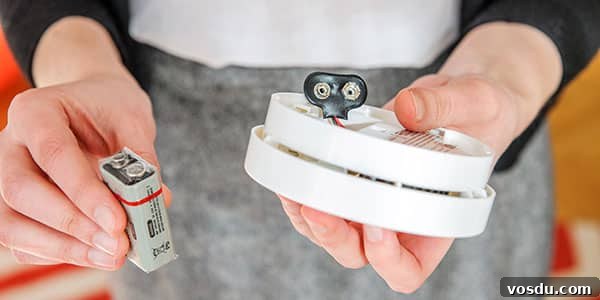
Prevention combines awareness with practical measures. Install carbon monoxide detectors on every level of your home and near sleeping areas to provide early warning of rising CO levels.
Schedule annual inspections and maintenance for heating systems, water heaters and any fuel-burning appliances—especially before the colder months. Qualified technicians can identify and correct problems that might produce carbon monoxide.
Secure Installation & Maintenance of Appliances
Proper installation and regular servicing of gas appliances, furnaces and heaters are essential. Incorrect installation, blocked vents or poorly maintained equipment can lead to CO production. Always use licensed professionals for installation and repairs.
Limit the use of fuel-burning equipment indoors, and never operate portable generators, charcoal grills or similar devices inside homes, garages or other enclosed spaces where exhaust can accumulate.
When Emergencies Strike
If someone shows signs of carbon monoxide poisoning, evacuate immediately, get fresh air and call emergency services. Seek prompt medical evaluation for high-risk individuals, including pregnant people and those with cardiovascular or respiratory conditions.
Instilling Awareness of CO Poisoning
Educate family and friends about the causes, signs and prevention of CO poisoning. Knowing how to recognise symptoms, where detectors should be placed and how to respond in an emergency strengthens household safety.
Carbon monoxide is an invisible, insidious threat, but awareness, proper prevention and quick response create an effective defence. Stay informed, take preventive steps and act immediately if you suspect CO exposure to protect yourself and others.