When you bake cookies and cakes, the change from raw ingredients to finished baked goods is dramatic and fascinating. What exactly happens when you slide a sheet of cookies into a 350 ºF oven? Heat triggers a series of predictable physical and chemical changes—melting, evaporating, rising, setting, and browning—that together create the textures and flavors we expect from baked treats.
Fats melt
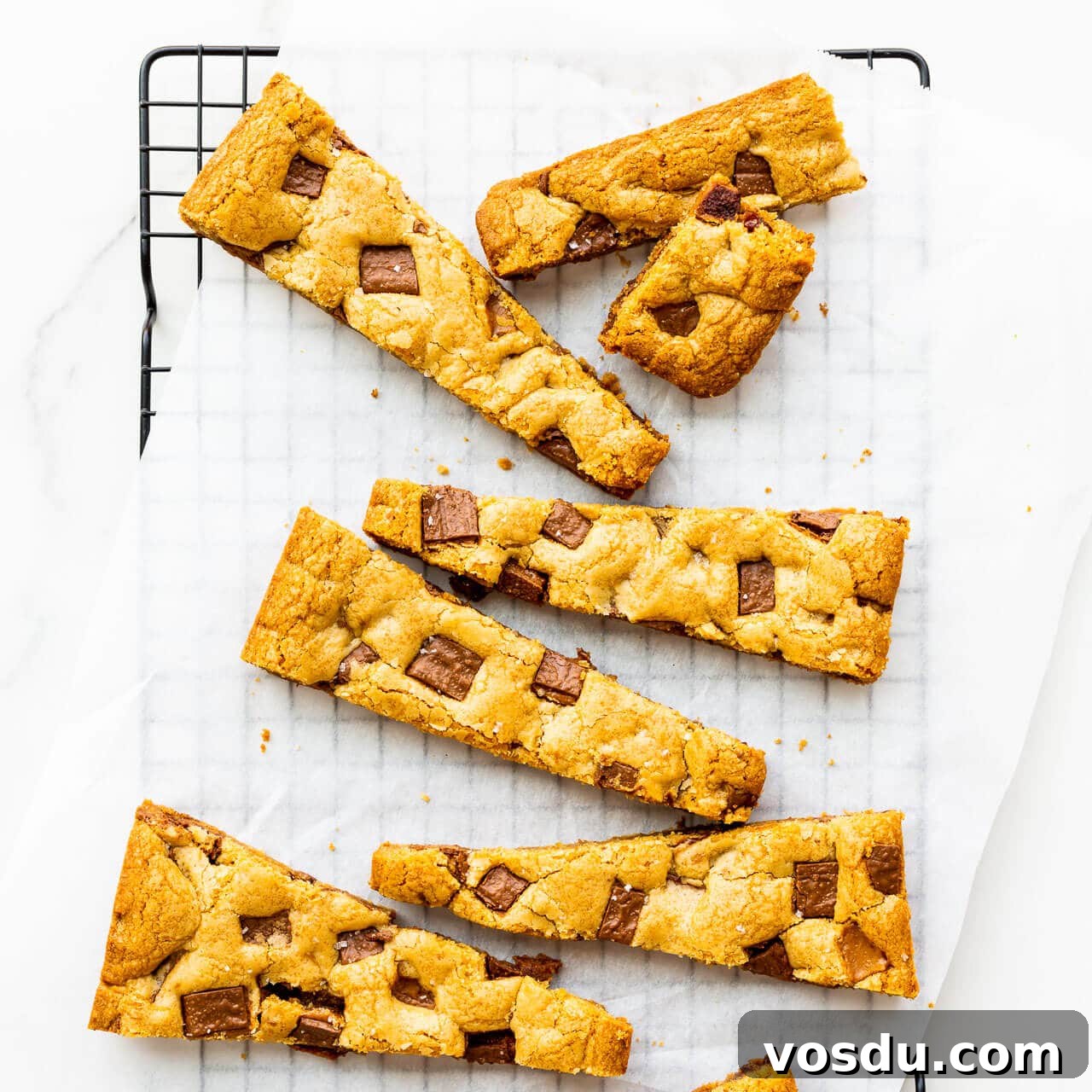
One of the earliest changes in the oven is the melting of fats. Butter, for example, is roughly 80% fat, and when dough warms above about 32 ºC (90 ºF), those fats begin to soften and melt. As they turn liquid they release air and moisture previously trapped in the dough. This temporarily makes batters and doughs looser, which is why cookie doughs can spread in the first minutes of baking.
If cookies spread excessively early on, it’s often due to too much fat relative to the other ingredients or to dough that was too warm when it went into the oven. Proper chilling and correct ingredient ratios help control spreading and preserve shape.
Water evaporates
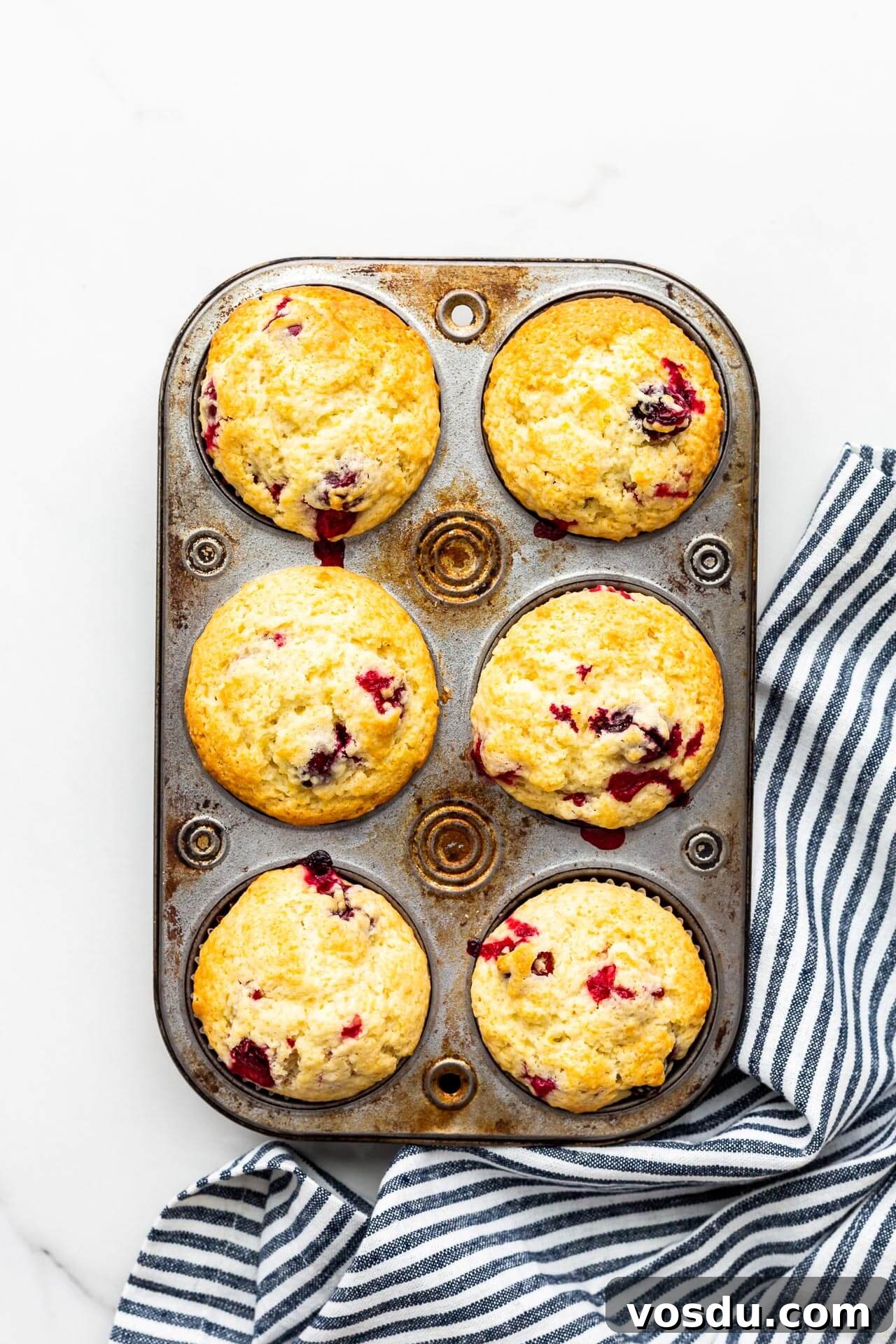
As temperature rises, water in the batter and dough begins to evaporate. At sea level water boils at 100 °C (212 °F), but evaporation and steam formation start at lower temperatures and play a big role between 35 ºC and 70 ºC (95 to 158 ºF). Gas bubbles expand as moisture turns to steam, helping cookies and cakes rise and creating light, airy textures.
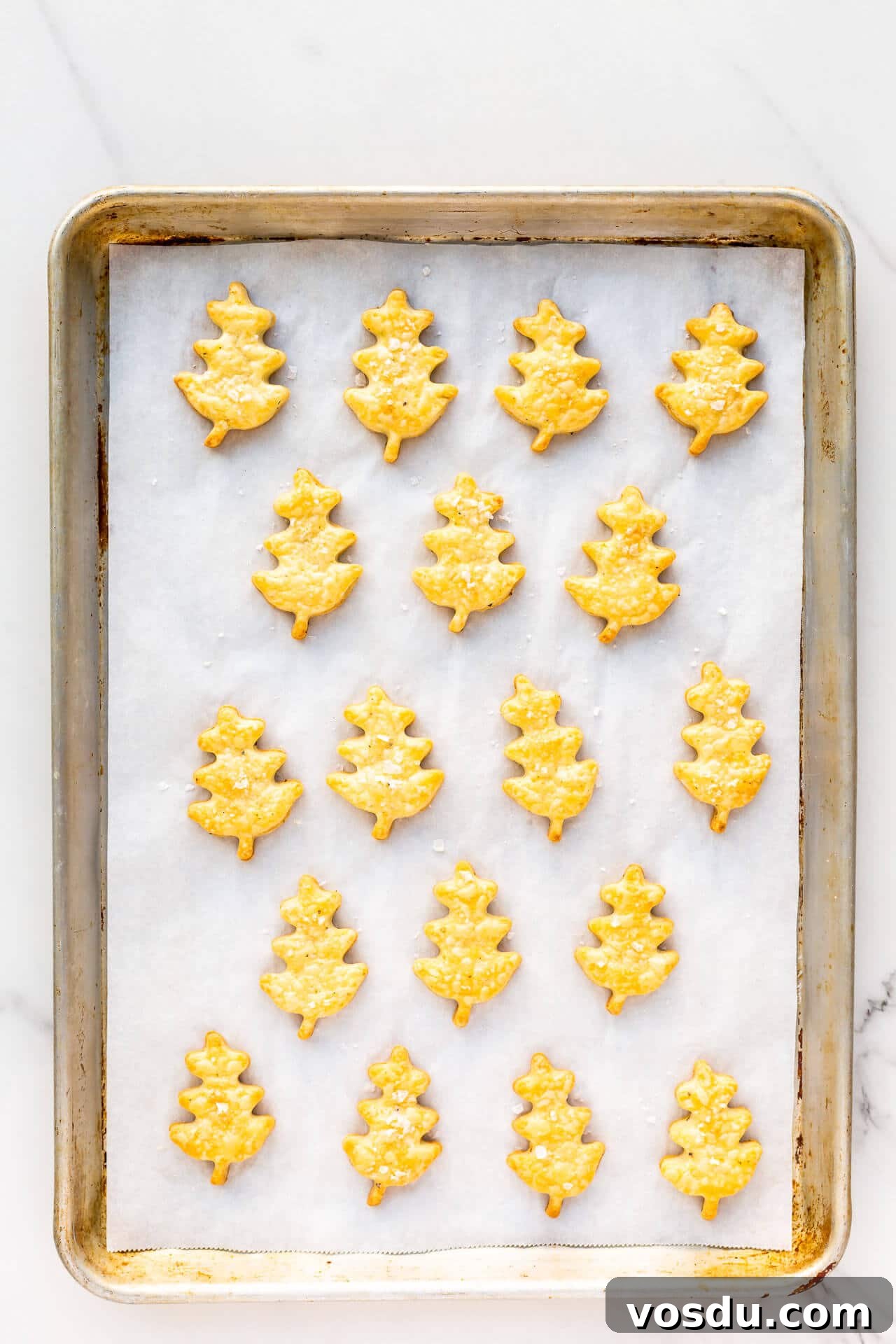
Evaporation also dries the surface of baked goods, contributing to crust formation. That surface drying is what creates the cracked look of crinkle-style cookies: the outside dries and sets before the interior gases push up, causing the characteristic fissures.
Proteins denature and set
Higher temperatures cause proteins to change shape and solidify. Above roughly 60 ºC (140 ºF), egg proteins and gluten proteins begin to denature and set, transforming from flexible networks into firm structure. At the same time starch granules absorb water, swell, and gelatinize up to around 93 ºC (200 ºF). These processes lock the structure of the cookie or cake in place so it holds its shape when removed from the oven.
Leavening agents react
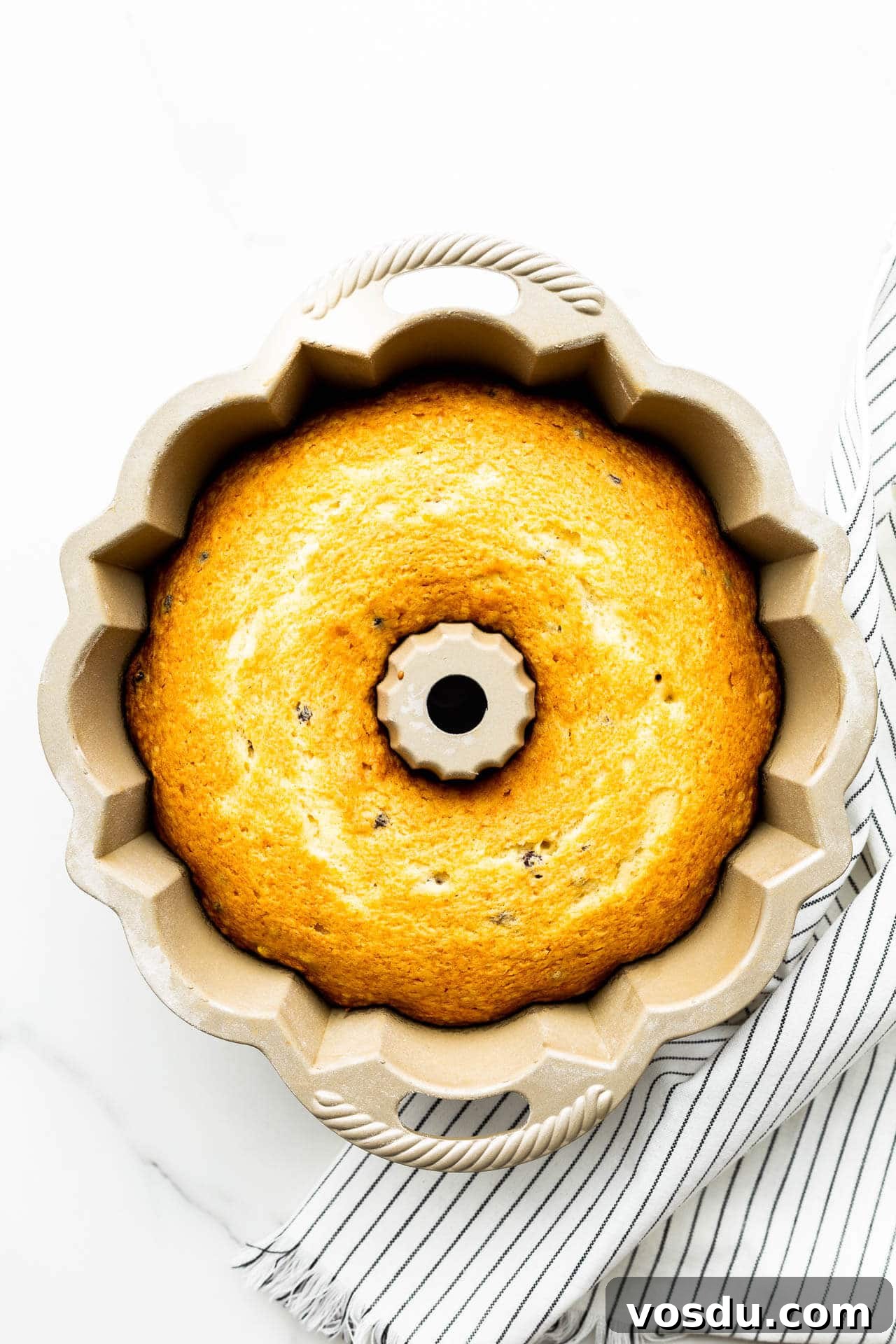
Baking soda and baking powder begin to produce carbon dioxide even at room temperature, but heat significantly accelerates their reactions. Some chemical leaveners are formulated to react in stages—one phase at room temperature and another phase when heated—so the dough expands both before and during baking. The released gas enlarges bubbles within the batter and dough, contributing to rise and lightness.
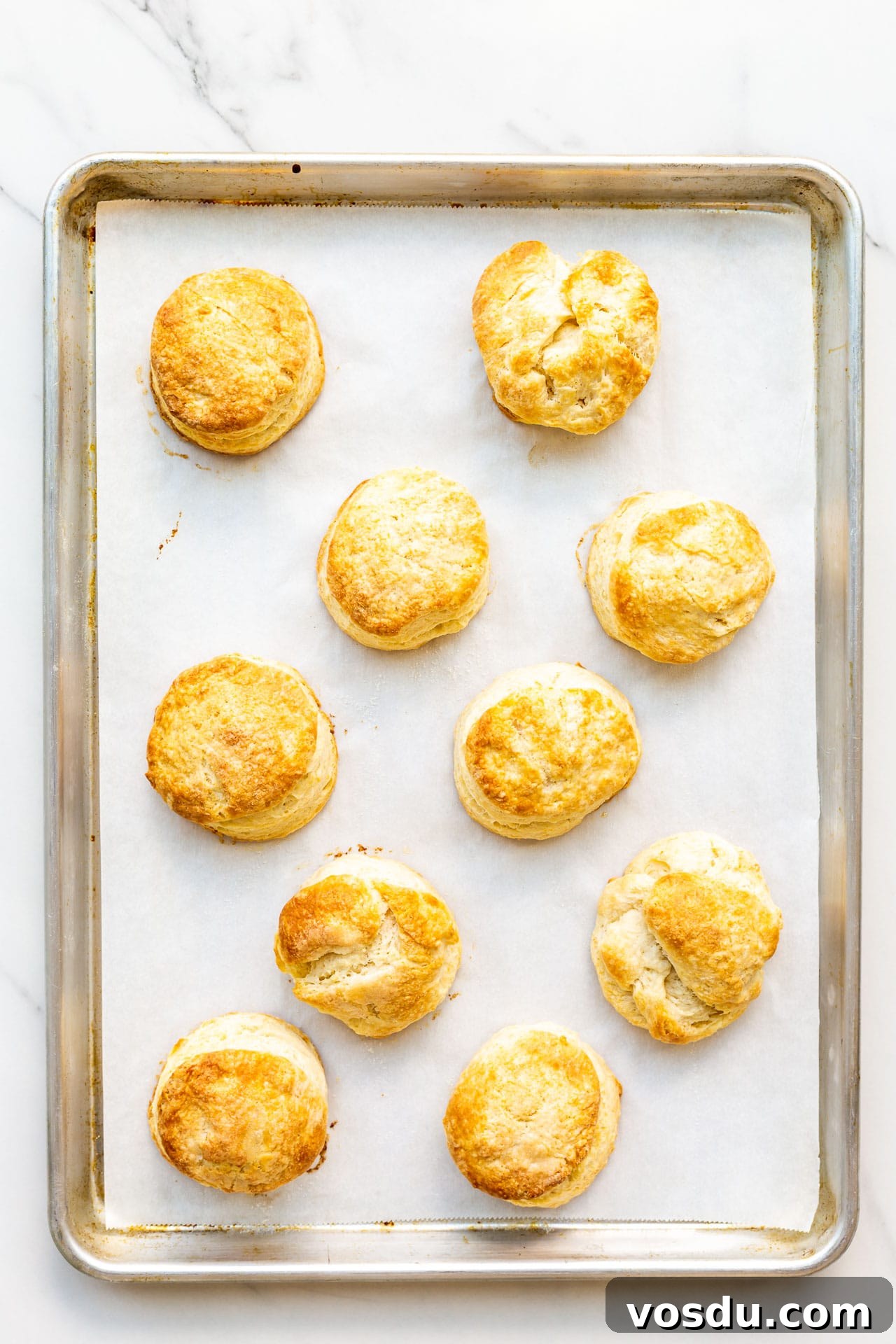
Sugars caramelize and Maillard reactions occur
Color and complex flavor develop at higher temperatures through caramelization and Maillard browning. Maillard reactions, which involve sugars reacting with amino acids, begin at lower temperatures—around 105 °C (220 °F)—and create many of the toasty, savory notes found in baked goods. Caramelization, the thermal decomposition of sugars, happens at higher temperatures—roughly above 149–160 °C (300–320 °F)—and produces sweet, nutty flavors and deep brown hues.
Browning usually happens most intensely on the exterior because the interior of cakes and cookies rarely reaches those high surface temperatures. Edges in direct contact with metal pans often show the most caramelization. The acidity and pH of the batter also influence browning: acidic doughs tend to brown less, while excessive alkaline ingredients such as too much baking soda can accelerate browning and yield a darker, sometimes overly sooty color.
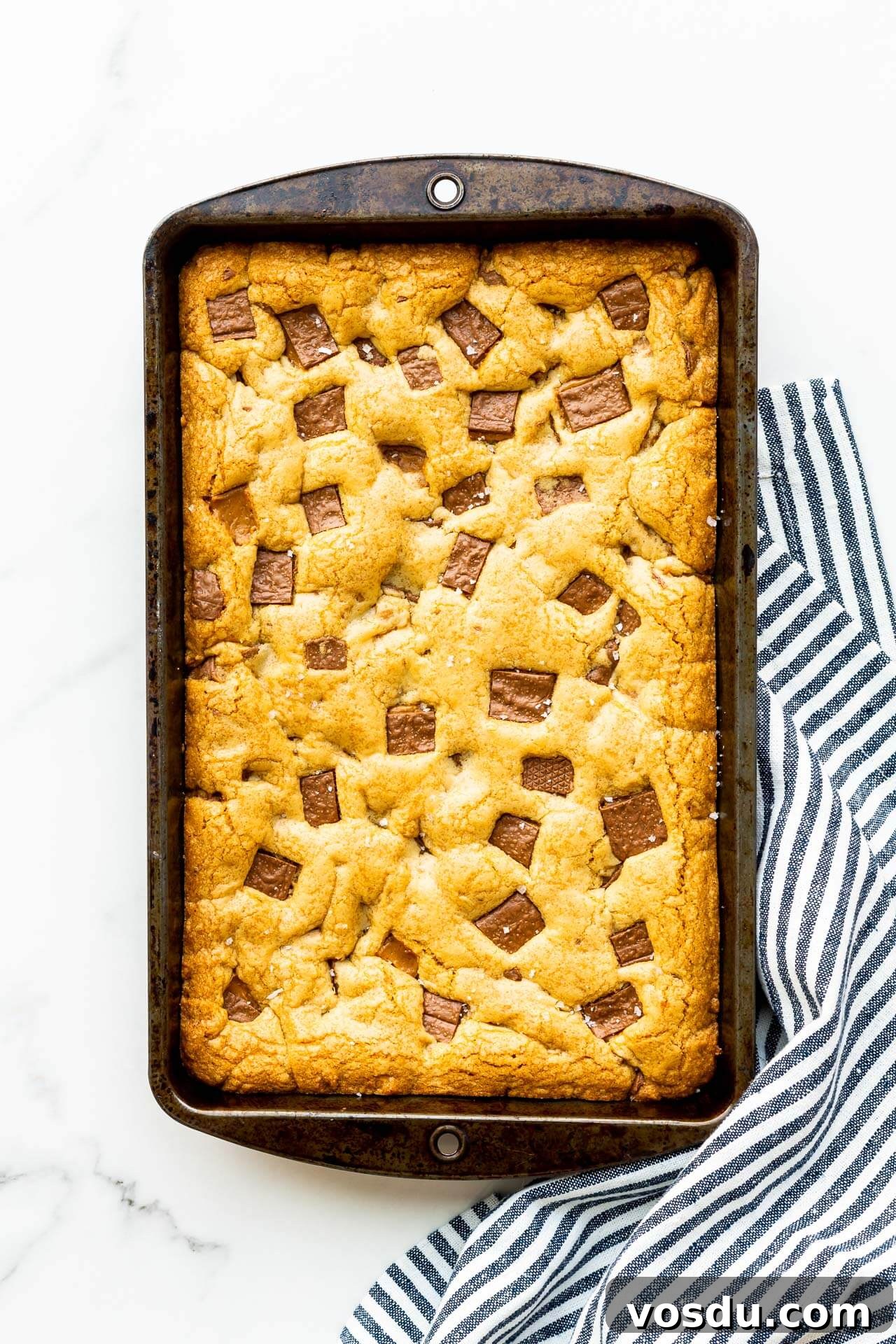
Although following a recipe and baking might seem straightforward, each step inside the oven involves a web of physical and chemical changes. Controlling temperature, ingredient ratios, and techniques like chilling or proper mixing allows you to guide these reactions so your cookies and cakes come out with the desired texture, rise, and flavor every time.