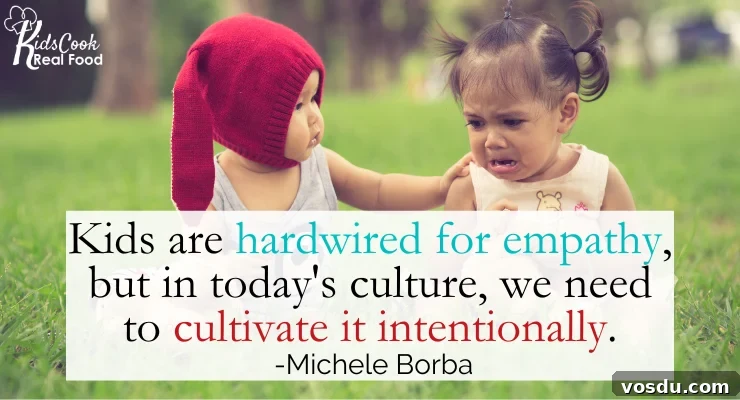
With everything parents manage, wouldn’t it be valuable to know the single most important skill to pass along to our children?
Is it academic achievement? No.
Is it being organized? No.
Is it speaking up for themselves or managing stress? Not primarily.
While those skills matter, research and experience show that children who truly flourish display a set of key qualities—and one of the most powerful gateway traits is empathy.
Returning guest Michele Borba offers practical, encouraging guidance grounded in research. In this conversation about empathy—one of the seven traits of “Thrivers” from her book—you’ll learn concrete strategies and easy-to-use language you can use with your family.
Highlights you’ll take away:
- What empathy actually means and why it’s essential for children’s success and well-being
- How empathy levels have changed over the past few decades and the social forces driving that decline
- Simple, everyday ways parents can nurture empathy at home
- The personal work adults need to do to model empathy effectively
- Ready-made conversation scripts to help children practice empathy
- An effortless way to build empathy during read-aloud time
- Why chores and family responsibilities promote prosocial behavior and thriving
- The special role of family dinner in strengthening connection and social skills
- How to talk about feelings more often—and why it’s especially important for boys
Michele excels at explaining why a practice matters and then offering step-by-step ways to make it part of family life without overwhelm. She even gives precise phrases you can borrow so you don’t have to guess what to say.
If your goal is to raise children who are grounded, resilient, and socially capable as they move through childhood and adolescence into adulthood, empathy and the other Thrivers traits are foundational. Choosing to cultivate them at home will pay dividends.
Can’t see the video? Watch Teaching Empathy for Kids on YouTube.
No time to watch? Here are the main notes and actionable takeaways.
- 0:00: Michele returns to the Healthy Parenting Connector after a previous appearance focused on Thrivers; she brings practical tools for parents.
- 2:18: Defining empathy and explaining its crucial role in children’s social and emotional development.
- 3:45: Why empathy has declined: increased screen time, a cultural emphasis on academics over social skills, limited adult modeling, and less conversation about feelings.

- 5:36: As children age, families often spend less quality face-to-face time together, replaced by screens and peer time. A screen-free table is an accessible first step to rebuild connection and foster future relationship skills.
- 8:19: Empathy is taught by weaving it into daily routines. Reading quality literature together invites kids to step into others’ shoes and strengthens both empathy and family bonds.
- 9:31: We naturally empathize more with those like us, so intentionally diversify the books your child reads—different cultures, ages, and socioeconomic backgrounds expand perspective.
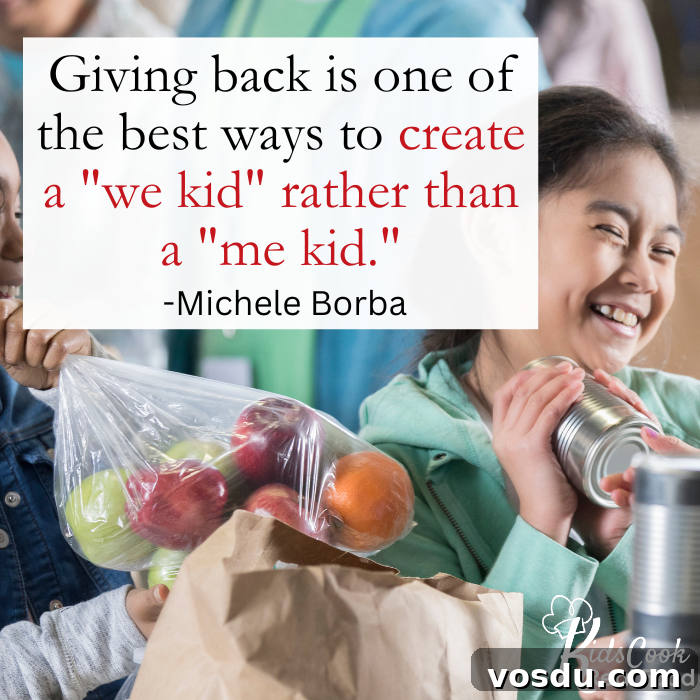
- 10:08: Volunteering and service opportunities are powerful experiences for cultivating empathy; begin with concrete, face-to-face acts of giving before moving to more abstract forms of service.
- 12:13: For busy families, Michele offers manageable encouragement—small, consistent steps work better than trying to overhaul everything at once.
- 13:00: Begin with face-to-face giving so children can see the impact of their kindness; this concrete empathy later supports more abstract compassion for people far away.
- 13:34: Use “feels and needs” questions to build perspective-taking: “How would you feel if that happened to you?” and “What would you need to feel better?” As kids mature, shift to asking “How do you think they feel?” and “What can you do?”
- 15:23: Cultivate an attitude of service within your household. Chores and family contributions teach children to consider others’ needs. Praise specific character traits—saying “thank you for being helpful” (a noun) helps children internalize their role.
Kids act how they see themselves to be, so look for moments to praise your child’s character. -Michele Borba
- 16:28: Chores build responsibility, diligence, accountability, kindness, goal-setting, and focus. Teaching children to cook, for example, supports many of these skills.
- 17:10: Goal-setting is strongly linked to success; ask guiding questions to help children identify aims and steps to reach them.
- 19:04: When talking with someone, focus on the color of their eyes to maintain natural eye contact—this improves posture, confidence, and emotion-reading.
- 21:40: Empathy supports and multiplies other Thrivers traits; these qualities reinforce each other over time.
We need to talk about feelings more, especially with boys. -Michele Borba
- 23:44: Kids can disagree respectfully. Since COVID, many children have become more risk-averse and less likely to speak up; practicing respectful disagreement helps them develop confidence.
- 24:26: Use family meetings or dinner conversations as low-pressure opportunities for kids to practice asserting opinions, explaining reasoning, and supporting ideas with evidence.
- 27:23: Don’t try to change everything at once. Pick one practice from this discussion, make it a habit, and then add another.
- 28:00: End with a single practical step you can implement today for an immediate win.
Resources Mentioned for Growing Empathy
- Michele participates with Life Skills Now summer programs that focus on practical social and life skills for children.
- Michele’s books include Thrivers and UnSelfie, which explore traits that help children succeed socially and emotionally.
- Revisiting Michele’s earlier interview on Thrivers and her TEDx talk offers additional context and examples.
- Family dinners, regular family meetings, diverse reading lists, and local volunteering opportunities are practical ways to cultivate empathy.
 Michele Borba, Ed.D., is an educational psychologist, former teacher, and parent who offers research-based advice drawn from decades working with parents, educators, and children. She is the author of numerous books, including UnSelfie and THRIVERS, and frequently shares practical strategies on media outlets and in talks that help caregivers apply evidence-based approaches at home.