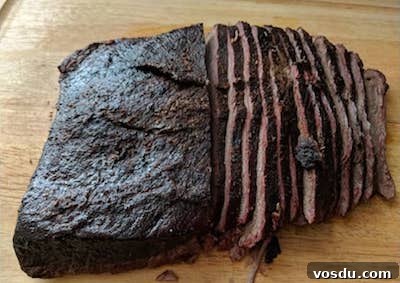
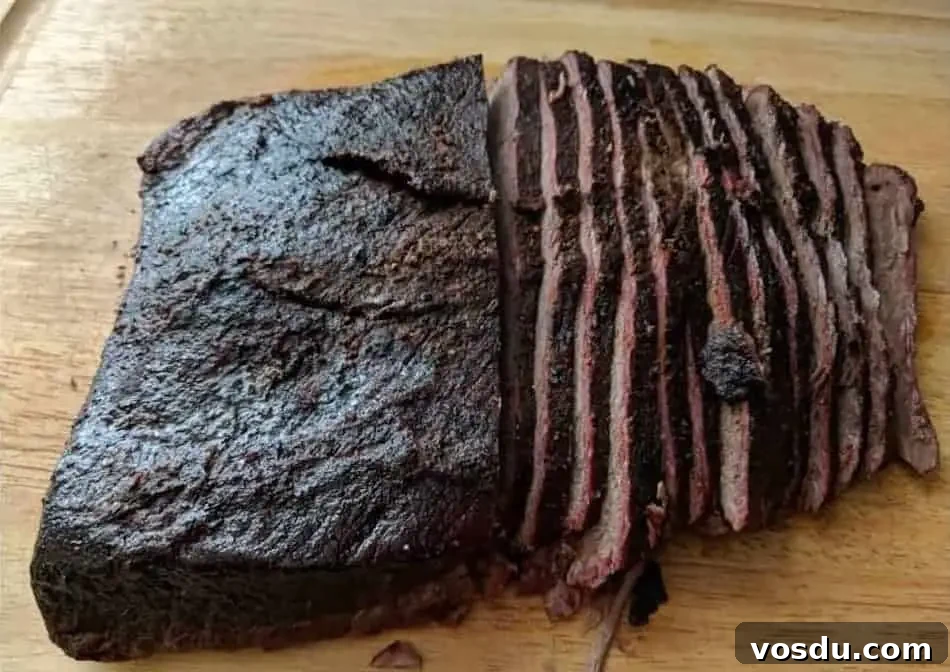
Few things are more disappointing than putting hours into smoking meat only to have it turn out dry. Smoking is a craft that rewards patience and technique, and with a few reliable practices you can consistently produce tender, juicy results. I researched the common causes of dry smoked meat and compiled straightforward methods to help you avoid that outcome every time you fire up the smoker.
One of the primary reasons smoked meat dries out is excessive cooking temperature. When meat is exposed to high heat for a long period, moisture is driven out and the result can be tough, dry meat. Smoking at lower temperatures—generally between 200°F and 250°F—helps preserve juices and promotes tenderness. Equally important is allowing the meat to rest after it comes off the smoker; giving large cuts at least an hour to rest helps juices redistribute and reabsorb, improving texture and flavor. Other helpful techniques include dry brining with salt, using marinades, injecting liquids, mopping or spritzing during the cook, and wrapping in foil during later stages to trap steam.
10 Ways To Avoid Dry Smoked Meat
| Method | Description |
|---|---|
| Cook at low temperatures (220°F to 250°F) | Lower temperatures slow moisture loss and produce more tender results. |
| Use decent thermometers | Accurate thermometers let you monitor both smoker and internal meat temperatures precisely. |
| Use a water pan in your smoker | A water pan increases humidity inside the smoker and helps keep meat moist. |
| Brine the meat | Brining helps meat retain moisture during the long cook and adds flavor. |
| Wrap the meat in foil | Foil traps steam in later stages, preserving juiciness—remove for the final hour to firm the crust. |
| Allow adequate resting time | Resting after cooking lets juices redistribute, improving tenderness and moisture. |
| Marinade the meat | Marinades add flavor and surface moisture; effective for smaller cuts or when injected into larger ones. |
| Mop/spritz the meat | Periodic mopping or spritzing adds moisture to the cooking chamber and can help maintain surface juices. |
| Inject the meat with liquid | Injection delivers moisture and flavor inside large cuts that otherwise lose a lot of liquid. |
| Buy meat with good marbling | Fat marbling helps retain moisture during cooking; better-quality cuts tend to stay juicier. |
Why is My Smoked Meat Dry?
If your smoker runs hotter than about 250°F, moisture will escape more rapidly and the meat is likely to dry out. Another common cause is slicing too soon after the cook. Meat should rest—often 15–30 minutes for smaller roasts and up to an hour or more for large cuts like brisket—so juices can redistribute instead of spilling onto the cutting board.
The Science Behind Dry Meat
The liquid in meat is primarily water held within muscle fibers; it’s not blood. When those fibers are exposed to heat, chemical changes cause them to contract and expel moisture. Significant moisture loss accelerates after the internal temperature reaches roughly 150°F. Managing temperature throughout the smoke minimizes these reactions and preserves more of the meat’s natural juices.
1. Control The Temperature
Temperature control is the single most important factor for avoiding dry meat. Some smoker types—pellet, gas, and electric—offer steadier, set-and-forget heat. Charcoal and offset smokers are more sensitive to weather and fuel management and require more attention. Fluctuating temperatures increase the risk of drying out your meat.
Don’t Open The Lid
Opening the lid often lets heat and humidity escape and can spike airflow, causing temperature swings. Limit checks and when you do open the lid, work quickly—mop or spritz, top up the water pan if needed, and close it again to maintain a stable environment.
Control The Vents
Learning how your smoker reacts to vent adjustments is essential. Practice on cheaper cuts or run the smoker empty to understand how much vent movement changes temperature. Keep a log of settings, weather, and fuel so you can predict behavior on future cooks.
Weather Can Ruin Your Meat
Wind, cold, and heat all affect smoker performance. Shield the smoker from wind, use extra fuel on cold days, or move into shade on hot days to keep temperatures consistent.
Drop The Temperature Of Your Smoker
If the smoker is too hot, reduce fuel to lower the temperature. For charcoal smokers, carefully remove some coals with long tongs until the fire settles to a manageable level.
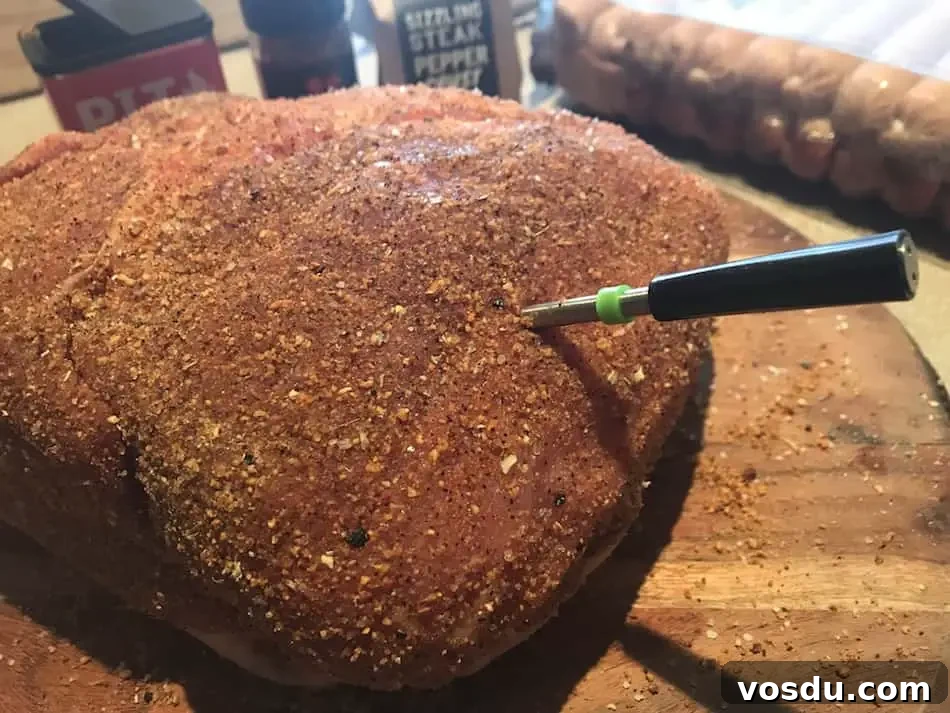
2. Buy A Good Thermometer
An accurate, leave-in thermometer is indispensable. Monitoring internal meat temperature lets you cook to the desired doneness rather than relying on time. For example, a brisket typically finishes near 203°F; pushing beyond the target can dry it out. Built-in smoker gauges are often inaccurate—invest in a reliable model with probes so you can track both smoker and meat temps precisely.
3. Use a Water Pan
A water pan helps moderate temperature and raises humidity inside the smoker. Position the pan on the lowest rack in the center of the cooking area and refill every few hours with hot water; use cooler water if you need to pull down a high temperature.
4. Brining
Brining—either dry or wet—helps meat retain moisture and adds flavor. Dry brining is simple: rub kosher salt over the surface and refrigerate overnight so the salt penetrates. Wet brines immerse meat in a salt-and-water solution for several hours and can help produce a better smoke ring on exterior layers. Both methods reduce the chance of drying during long cooks.
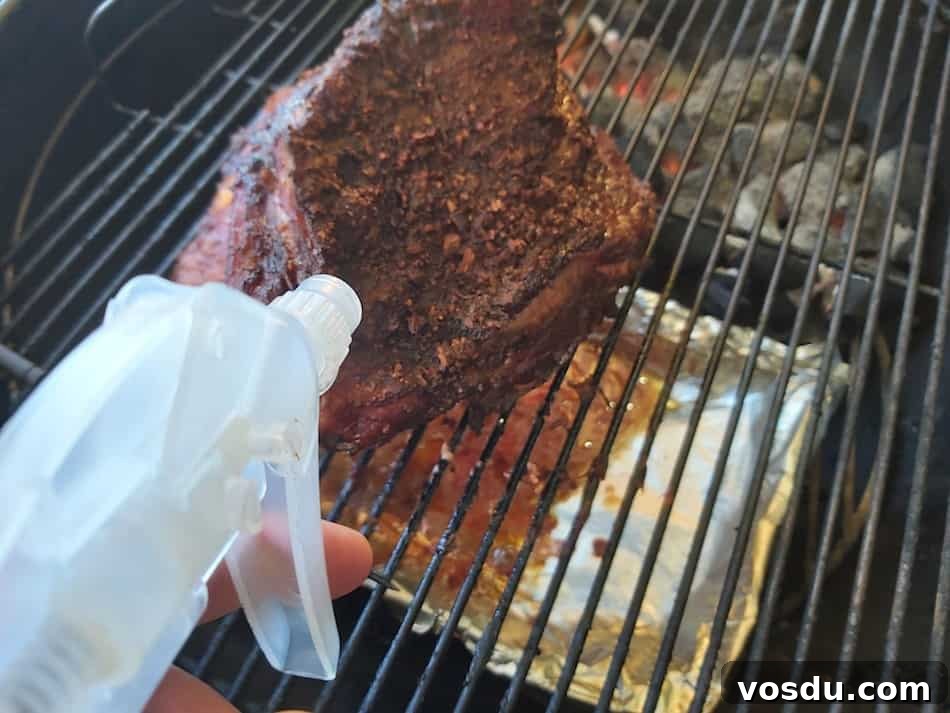
5. Mopping & Spritzing
Mopping or spritzing adds moisture to the cooking chamber and to the meat surface. Mops use a brush and a saucy liquid—often a mix of water, vinegar, beer, or juices—while spritzing simply uses a spray bottle. Both methods can help maintain surface humidity during extended smokes.
6. Marinading
Marinades add flavor and surface moisture. Soak meat in a covered dish in the refrigerator for 12–24 hours before smoking. Marinades work best on smaller cuts like chicken or pork chops; larger, dense cuts like brisket benefit more from injection to get flavor and moisture deeper into the meat.
7. Wrapping
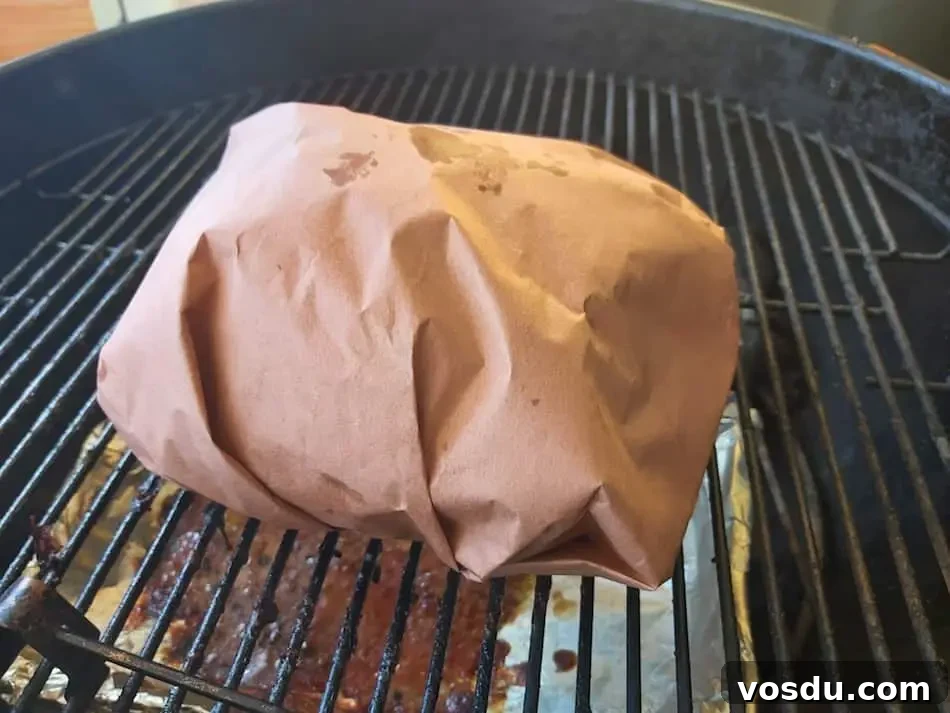
Wrapping creates steam that locks in moisture. Allow the meat to absorb smoke during the first part of the cook; then wrap in foil or butcher paper during the final stages to speed cooking and preserve juices. For best texture, remove wrapping for the last hour to firm up the crust before serving.
8. Resting
Resting is crucial. Cutting too soon releases juices and leaves meat dry. Rest smaller roasts 15–30 minutes; large cuts like brisket benefit from an hour or more, wrapped and kept warm, to allow juices to redistribute and reabsorb.
9. Marbling
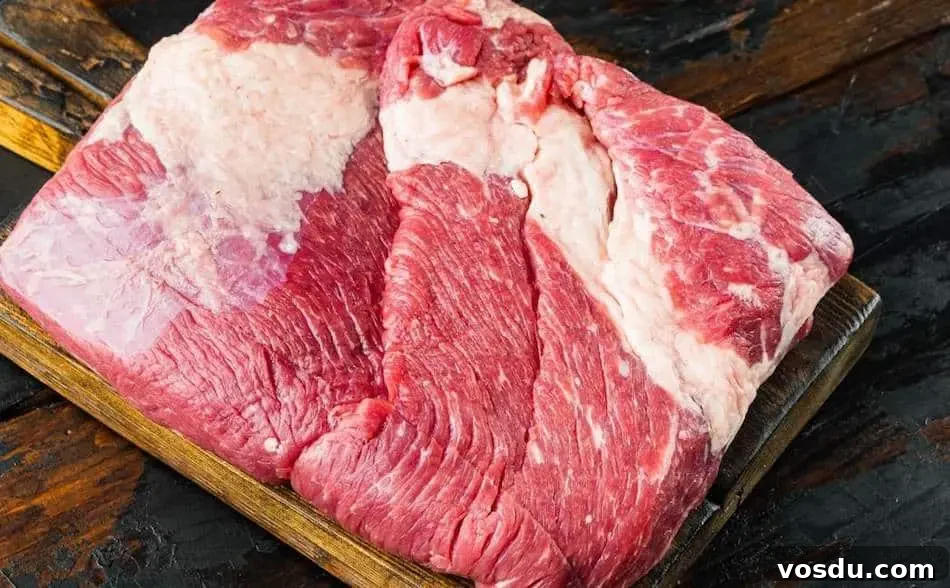
Choose well-marbled meat when possible. Intramuscular fat melts during the cook, basting the meat from within and keeping it juicy. Higher marbling scores indicate a fattier, more forgiving cut—investing in quality pays off when tenderness and juiciness matter.
10. Injecting
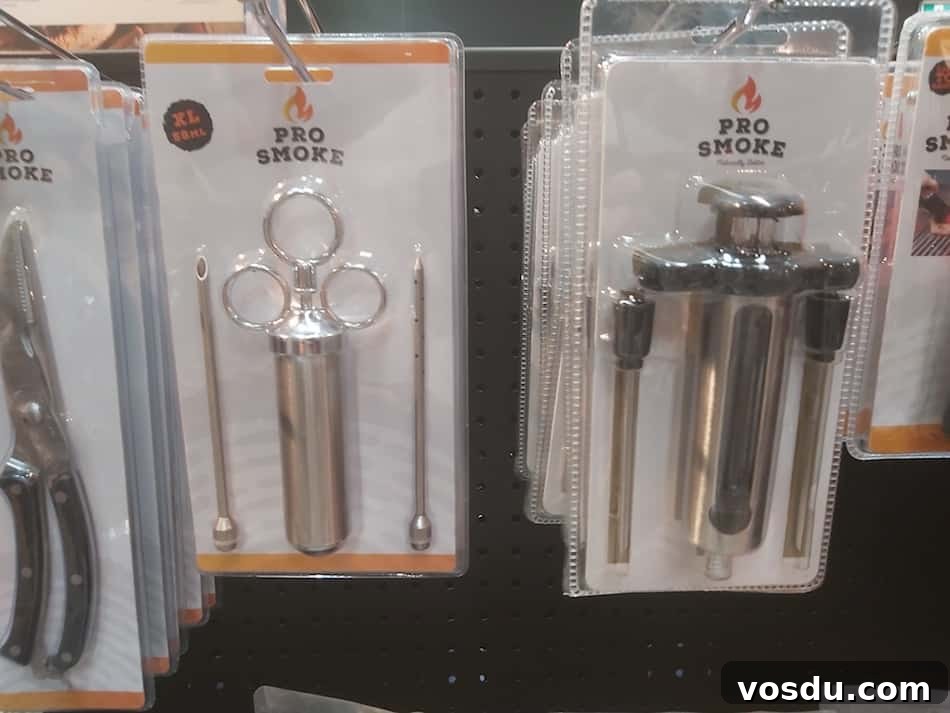
Injection pumps flavorful liquid into the interior of large roasts, counteracting moisture loss over long cooks. Common injection liquids include broth, melted butter, beer, apple juice, or vinegar-based solutions. Injectors are affordable and easy to use, and they can make a noticeable difference for long-smoking cuts.
My Favorite Meat Smoking Tools
Thanks for reading. Below are a few tools I find useful for consistent smoking: a reliable leave-in thermometer with probes, a fast instant-read thermometer for spot checks, and quality butcher paper for wrapping brisket. These help you manage temperature, track internal doneness, and finish cuts with a good bark and juiciness.
Related:
Brisket For Beginners: Tips For Smoking The Perfect Brisket