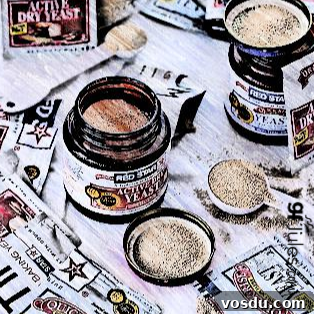
Yeast for Baking:
Baker’s Yeast, Brewer’s Yeast, Nutritional Yeast, Instant Dry Yeast, Active Dry Yeast, Yeast Cakes, Compressed Yeast, Fast Rise Yeast, Rapid Rise Yeast, Quick Rise, Bread Machine Yeast, Wild Yeast — is yeast gluten-free? Which type should you use when baking gluten-free bread, and what if you can’t use yeast at all?
Good questions. Here’s a clear, practical guide to help you choose the right yeast and alternatives for gluten-free baking.
First, what is yeast? Yeast is a living micro-organism that ferments sugars and starches into carbon dioxide and alcohol. That fermentation is what produces bubbles and rise, making yeast essential for bread baking, brewing, and winemaking.
Yeast falls into four broad categories: dried yeast, fresh yeast, wild yeast, and brewer’s/nutritional yeast. For most home gluten-free baking you will use dried yeast, but a quick overview of the others is useful. Yes — yeast is gluten-free in almost every case; there are a few exceptions noted below.
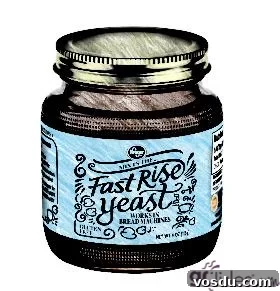
Baker’s / Dried Yeast:
Dried baker’s yeast is alive but inactive until rehydrated. It is the most common form used for home bread baking.
Quick Rise / Rapid Rise / Fast Rise / Instant Dry / Bread Machine Yeast — almost all are gluten-free
These instant dry yeasts are finely granulated and dried to a lower moisture level than active dry yeast, so they don’t require dissolving in water (proofing) before use. You can add them directly to dry ingredients or on top of other ingredients in a bread machine. Many formulas include ascorbic acid to boost loaf volume.
Instant yeasts are ideal for gluten-free bread because gluten-free doughs require only one rise and should not be punched down or given a second rise. Follow package directions for rise times; do not proof instant yeast or you will reduce its fast-rise properties.
Active Dry Yeast
Active dry yeast has larger granules and must be dissolved in warm water (about 100°–110°F) to activate. This is called proofing. Recipes using active dry yeast typically require a slightly larger amount than instant yeast and may produce a more pronounced “yeasty” aroma and flavor.
If a recipe calls for Quick Rise or Rapid Rise Yeast, can I use Active Dry Yeast instead?
Yes. Use 1 1/4 times the amount of Active Dry yeast called for as Quick Rise yeast, and be sure to proof the active dry yeast before adding it to the recipe. (Example: if a recipe calls for 2 1/4 tsp instant, use 2 3/4 tsp active dry and proof it first.)
Dried yeast commonly comes in single-use 2 1/4 tsp packets (enough for one loaf) or in jars. Store yeast away from moisture at room temperature and use by the expiration date. Yeast lasts longer refrigerated or frozen; bring it back to room temperature before use. Most major brands are gluten-free, but always read labels.
Which Yeast is NOT Gluten-Free?
Some specialty products are not safe for a gluten-free diet. For example, Red Star PLATINUM and Red Star SOURDOUGH STARTER are labeled as not gluten-free. Always read product labels and ingredient lists.
Baker’s / Fresh Yeast (Cake Yeast):
Fresh yeast, also called cake yeast, is moist and perishable. It can be crumbled into dough or softened in warm water before use. Fresh yeast typically requires two rises, so it’s not ideal for gluten-free breads, which generally need only one rise. To substitute, use one cake of fresh yeast for each 2 1/4 tsp packet of active or instant yeast called for in a recipe.
Wild Yeast:
Wild yeast is what you cultivate in a sourdough starter — a combination of naturally occurring yeast and friendly bacteria feeding on flour and water. You can make a gluten-free sourdough starter using gluten-free flours. A simple way to jump-start a starter is to mix a small amount of rapid or active dry yeast with warm water and gluten-free flour, then feed it regularly until it matures. Starters should be kept in non-reactive containers like glass or food-grade plastic.
Brewer’s Yeast / Nutritional Yeast:
Brewer’s yeast and nutritional yeast are deactivated yeasts used as food ingredients or supplements — they do not leaven bread. Brewer’s yeast can refer to two things: the strain used for fermenting beer (a by-product of brewing) and the deactivated yeast sold as a nutritional product. Nutritional yeast is typically grown on molasses and has a cheesy, nutty flavor; it’s popular in vegan cooking and as a supplement rich in protein and B vitamins.
Some products labeled as brewer’s yeast are actually produced on non-gluten substrates (for example, beet molasses) and are certified gluten-free. Terminology can be confusing, so check labels carefully when buying nutritional or brewer’s yeast.
Nutritional yeast adds savory flavor to dishes like popcorn, sauces, and vegan quiches, and can be a nutritious addition to gluten-free cooking.
Gluten-Free Bread Baking — which yeast should I use, and why?
Gluten-free yeast breads behave differently because they lack gluten. That means they don’t benefit from kneading, punching down, or multiple rises. Instead, they require a single rise and gentle handling. Instant dry yeasts are often the best choice because they work quickly and can be mixed directly into dry ingredients. The simple method for many gluten-free loaves is: mix/beat well, cover and rise once, then bake.
What if I can’t have yeast or can’t find yeast?
Many gluten-free bread recipes don’t require yeast. Chemical leaveners like double-acting baking powder or a combination of baking soda plus an acid (lemon juice or vinegar) can replace yeast. As a rule of thumb, one packet of yeast can be substituted with about 2 1/4 teaspoons of baking powder. If using baking soda and acid, use equal parts baking soda and acid to create lift. Breads made this way won’t have a yeasty aroma or flavor and don’t need rise time.
Yeast-Free Gluten-Free Bread recipes:
- Gluten Free Yeast Free Sandwich Bread
- Gluten Free Yeast Free Pizza (yeast-free modification available)
- Gluten Free Yeast Free Dinner Rolls
- Gluten Free Flour Tortillas
- Gluten Free Pita Bread or Flatbreads
- Gluten Free Sourdough Breadsticks
- 52-Minute Gluten Free Cinnamon Buns
- Gluten Free Irish Soda Bread
- Grain-Free & Yeast-Free Bagels
Yeast-free gluten-free breads can be delicious and quick to prepare. Give these recipes a try to expand your baking options.
*Some products may be provided by sponsors or linked for convenience. Always read labels for ingredient and allergen information. Opinions and recommendations are based on personal experience with gluten-free baking.